
 December 12, 2025 | Natural Beaded Rows
You just got your hair done and now you’re worried about sleeping with it. You don’t want to wake up to a tangled mess. Many people feel the same way on their first night.
Don’t worry, learning to sleep with hair extensions is easy. Your bedtime routine will change a bit. But once you know how, it becomes second nature to protect your hair.
Whether you have Natural Beaded Rows, tape-ins, or something else, the care is the same. At Trademark Salon in Houston, Texas, we’ve helped many clients sleep well with their extensions. We specialize in Natural Beaded Rows, so we know how to keep your hair looking great every morning, without damage.
This guide will teach you everything you need to know. You’ll wake up looking great, not fighting with your pillow all night.
Key Takeaways
- Sleeping with extensions requires new nighttime habits, but they’re easy to master with the right guidance
- Your extensions are an investment that needs special care, specially during those first few nights
- Proper preparation before bed prevents tangling and keeps your look fresh every morning
- The same basic protection principles apply whether you have Natural Beaded Rows, tape-ins, or other methods
- Expert advice from professionals helps you avoid common mistakes and extend the life of your extensions
- With the right routine, you can protect your investment and wake up with gorgeous, ready-to-go locks
Your First Night To Sleep with Hair Extensions: What to Expect
When you first lie down with your new extensions, you’ll notice a big difference. Your head feels heavier, and your ponytail touches different parts of your back. This is normal and happens to everyone.
Most of these feelings go away in two to three days as you get used to them. It’s like breaking in new shoes. Knowing what to expect helps you sleep better and know when to ask for help.
Normal Sensations vs. Warning Signs
Your scalp takes time to get used to the added weight and volume of extensions. Many people feel like they’re wearing a tight hat. Some tightness around the installation points is expected, depending on the type of hair extension.
Light itching is common as your scalp gets used to the extensions. This usually happens with any extension method and should decrease each day. Mild pressure or awareness of the extensions when you move your head is also perfectly normal.
But, some symptoms mean you need to see a professional. Sharp, stabbing pain is never okay and suggests the extensions may be installed too tightly. Constant pulling on your natural hair that makes it hurt to turn your head or lie down requires immediate adjustment.
Intense, persistent itching accompanied by redness or swelling could signal an allergic reaction. Any bleeding, extreme tenderness, or feeling like your hair is being ripped out means you should contact your stylist right away. These warning signs can lead to damage your natural hair if ignored.
| Normal Sensations | Warning Signs | Action Needed |
|---|---|---|
| Light pressure or tightness at scalp | Sharp, stabbing pain | Contact stylist immediately |
| “Helmet head” feeling | Constant pulling that hurts | Schedule adjustment within 24 hours |
| Mild itching that decreases daily | Intense itching with redness or swelling | Call for same-day consultation |
| Awareness of added weight | Bleeding or extreme tenderness | Remove extensions if outside business hours, contact stylist next day |
Adjusting to the Added Weight and Volume
The added weight from long extensions takes some getting used to. If you’ve gone from shoulder-length to waist-length hair, it’s a big change. Different hair extension lengths create different levels of adjustment. Your neck muscles might feel slightly tired for the first day or two as they adapt to the change.
You might find yourself moving your head differently to avoid stress on the extensions. This is your body’s natural protective response. Some people toss and turn more during their first night sleeping with hair as they search for comfortable positions.
The volume increase can also affect how you sleep. If you’re used to sleeping on your back with your hair spread out, having significantly more hair means adjusting your sleeping position. Side sleepers often notice their hair gets in the way initially until they learn to position it properly.
Give yourself patience during this adjustment period. Most clients report that by night three or four, they barely notice the extensions anymore. Your body adapts quickly, and what feels strange now will soon feel completely natural.
When to Contact Your Stylist at Trademark Salon
The expert stylists at Trademark Salon in Houston, Texas want you to reach out with any concerns during your adjustment period. Our Natural Beaded Rows specialists understand that protecting your hair health is the top priority. It’s always better to ask questions than to suffer through discomfort.
Contact Trademark Salon if you experience any of the warning signs mentioned above, such as pulling on your natural hair that doesn’t improve after the first day. If you’re having trouble finding a way to sleep comfortably after trying different positions, we can offer personalized advice based on your specific extension type.
Don’t feel embarrassed about needing an adjustment – it’s a normal part of the extension process. Sometimes extensions need minor tweaking to achieve the perfect fit. The team at Trademark Salon would prefer to see you for a quick adjustment than risk any damage to your healthy hair.
If you’re unsure whether what you’re feeling is normal, a quick phone call can provide peace of mind. Trademark Salon’s specialists can often determine over the phone whether you need to come in or if your sensations are part of the typical adjustment process. We’re committed to ensuring your extensions enhance your beauty without compromising your hair health.
Essential Pre-Sleep Preparation for Your Extensions
Every night, you build the foundation for healthy, long-lasting extensions. What you do in the fifteen minutes before bed is just as important as the quality of your extensions. A consistent nighttime routine protects your investment and ensures you wake up with manageable, beautiful hair.
Your nightly hair care ritual should be as automatic as brushing your teeth. These essential steps prevent damage, reduce tangling, and keep your extensions looking salon-fresh for months. At Trademark Salon, we educate all our Natural Beaded Rows clients on proper nighttime preparation techniques to maximize the longevity of their extensions.
The Critical Rule About Moisture
Here’s a non-negotiable rule: never sleep with wet hair extensions. Wet hair is fragile and vulnerable to breakage from even gentle friction against your pillow.
When you avoid sleeping with wet hair, you prevent multiple problems at once. Damp strands combined with tossing and turning create the perfect conditions for matting and tangling. For Natural Beaded Rows extensions, sleeping with wet extensions causes the return hair on the weft to tangle into your natural hair at the base.
This matting can happen in just one night. Once those tangles form at the bond or bead area, they’re painful and difficult to remove without professional help. Make sure your hair is fully dry before your head touches the pillow, even if you’re exhausted after a late-night shower.
If you wash your hair at night, you must dry your hair completely before going to sleep. Use a blow dryer on a cool or medium setting to ensure your extensions are completely dry from roots to ends. Don’t rely on air drying if you’re planning to sleep soon – your hair needs to be fully dry, not just mostly dry.
Learn More: How to Wash Your Hair Extensions
Mastering the Nighttime Brushing Technique
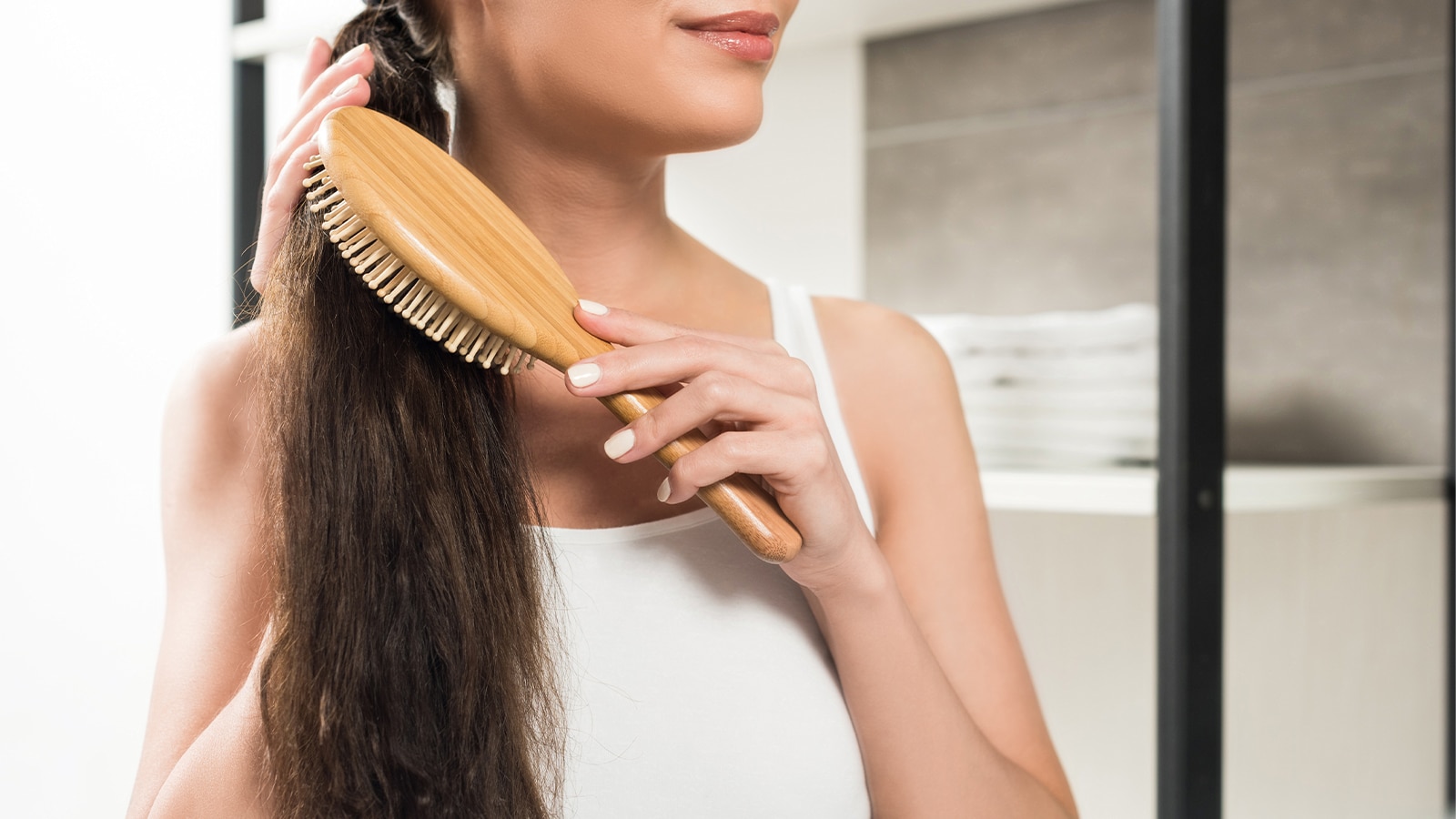
Learning to properly brush your hair before bed is arguably the single most important maintenance step for extensions. This isn’t a quick run-through with any brush – it requires the right tools and proper technique. You need a soft-bristle brush or an extension-specific brush designed to glide through without snagging.
Start at the very ends of your hair and work your way up in small sections. Never start at the roots and drag down – this pulls on the bonds or beads and causes unnecessary tension. Gently brush your hair in two-inch sections, moving upward only after you’ve completely detangled the lower portion.
If you have beaded or hand-tied extensions, you need to separate each row individually. Lift the top section and brush underneath, making sure your natural hair isn’t tangling around the wefts. This thorough approach prevents your bio hair from matting with the extension hair overnight.
Take your time with this step – rushing through it defeats the purpose. When you brush your hair before bed properly, you’re distributing natural oils, removing daily buildup, and ensuring that everything is smooth and tangle-free. This preparation makes your morning routine significantly easier and keeps your hair healthy.
Overnight Moisture and Protection
Your extensions don’t receive natural oils from your scalp the way your biological hair does. That’s why applying protective serums and oils each night is essential for maintaining softness and preventing dryness. Think of this step like applying nighttime moisturizer to your face – it’s preventive care that pays dividends.
Apply a lightweight oil or serum to the mid-lengths and ends of your hair every night before going to sleep. Avoid the roots and bonds – you only want to treat the hair shaft itself. Products like Goldie Locks Signature Serum work well because they hydrate without leaving a greasy residue.
After applying your product, gently brush your hair again to distribute it evenly through every strand. This ensures that all your extensions receive moisture and protection throughout the night. The serum creates a barrier that reduces friction and helps protect your extensions from tangling as you move during sleep.
Make sure your hair receives this treatment consistently. Skipping nights leads to cumulative dryness that makes your extensions feel rough and look dull. Trademark Salon recommends specific products to our clients and can advise on the best options for different extension types, including Natural Beaded Rows.
| Preparation Step | Why It Matters | Time Required | Skipping Consequences |
|---|---|---|---|
| Dry hair completely | Prevents breakage, matting at bonds, and weft tangling from moisture | 10-15 minutes | Severe matting, painful tangles, possible extension damage in one night |
| Brush thoroughly by section | Detangles, separates rows, prevents natural hair from wrapping around wefts | 5-7 minutes | Progressive tangling, difficult morning styling, premature wear |
| Apply protective serum | Provides moisture extensions can’t get naturally, reduces friction overnight | 2-3 minutes | Dry, brittle extensions, increased breakage, dull appearance |
| Brush after serum application | Distributes product evenly, ensures all strands are protected and smooth | 2-3 minutes | Uneven moisture distribution, some sections remain vulnerable |
Keep your hair properly prepared each night and you’ll notice a dramatic difference in how your extensions look and feel. These steps become faster with practice, eventually taking less than twenty minutes total. The investment of time protects your financial investment and keeps your extensions beautiful for their entire lifespan.

Best Hairstyles and Positions to Sleep With Extensions
Keeping your extensions safe while you sleep is easy with the right hairstyle and position. When you move around at night, your hair can get tangled and rub against your pillow. This can cause damage to your extensions.
A protective hairstyle keeps your hair organized and prevents tangles. Learning to sleep with hair extensions safely means choosing styles that organize your hair while keeping it comfortable. You’re not trying to create a tight, polished look—you’re simply preventing your hair to tangle during the night.
At Trademark Salon in Houston, stylists teach clients the best protective hairstyles during Natural Beaded Rows installation appointments. We show you how to braid your hair and secure it properly. This way, you can wake up with your extensions looking fresh every morning.
The Loose Braid Method: Your Best Overnight Option
The loose braid is the best way to protect your hair extensions overnight. It keeps your hair organized, reduces friction against your pillowcase, and prevents morning tangles. When you put your hair in a loose braid before bed, you’re giving yourself the gift of easy mornings.
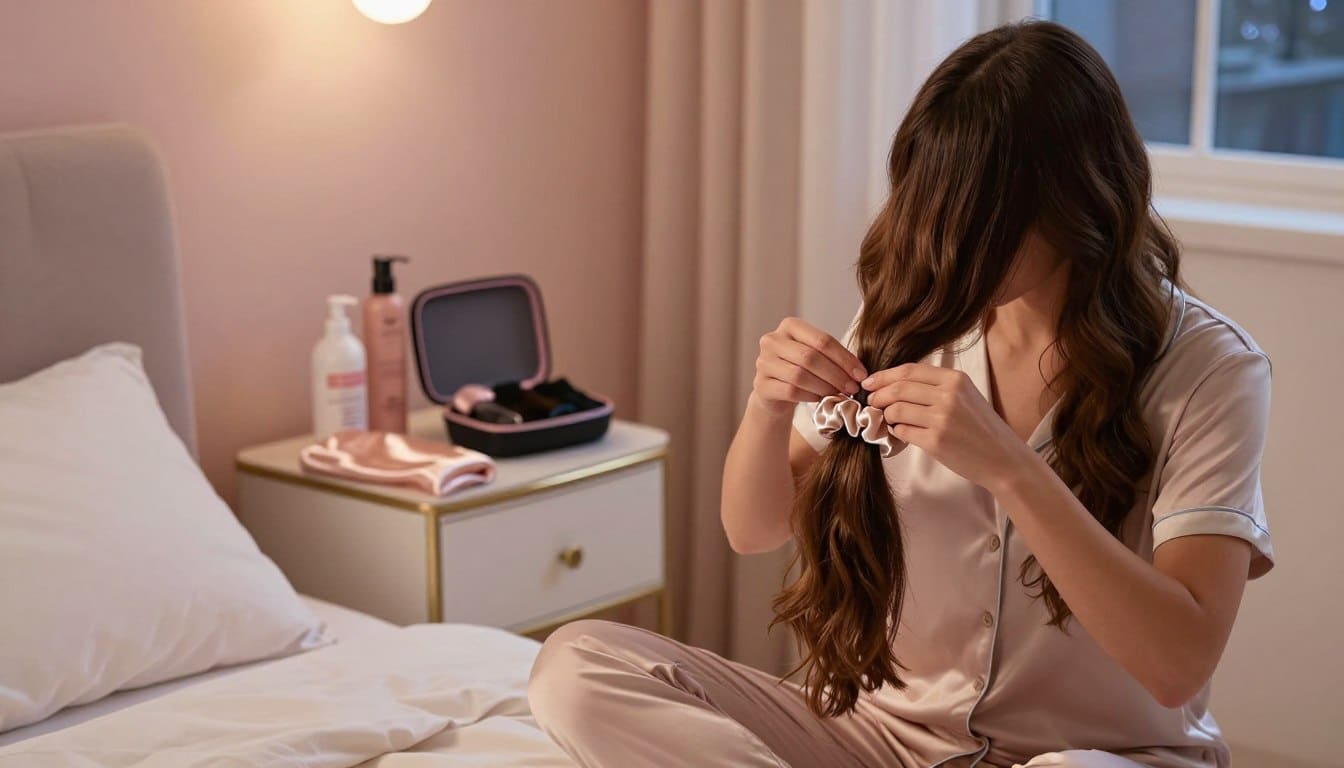
Start by gathering your hair at the nape of your neck, keeping the positioning low. Divide your hair into three sections and create a gentle three-strand braid. The key word here is “loose”—you should feel comfortable, not restricted.
Make sure the extension bonds or beads aren’t being pulled or stressed during the braiding process. Secure the end with a fabric-covered elastic or silk scrunchie, never a rubber band that can snag and damage both your natural hair and extensions. You can create one hair in a loose braid down the center, or divide your hair into two braids for extra security.
The beauty of this method goes beyond protection. When you wake up and undo your braid, you’ll discover beautiful, heatless waves that look effortlessly styled. This protective style helps keep your hair extensions healthy while giving you a bonus styling effect.
The Pineapple Sleep Bun for Volume Preservation
If you prefer keeping your hair up, the “pineapple” method offers excellent protection for your extensions overnight. This technique works well when you want to preserve curls or a fresh blowout. It keeps the bulk of your hair off your neck and prevents you from lying directly on your extensions.
Here’s how to create this protective sleep bun: Flip your head forward and gather all your hair at the very top of your head. The high positioning is intentional—it keeps your hair in place without you sleeping on it. Loosely wrap your hair into a bun and secure it with a silk scrunchie.
The term “pineapple” comes from the way your hair fans out at the top of your head, resembling the leafy crown of a pineapple. This style protects the lengths of your extensions while maintaining your existing style. When you release it in the morning, your curls or waves will have their shape and bounce.
Keep the bun loose enough that you don’t feel any pulling or tension. You’re creating a gentle gathering, not a tight restriction. This approach to wrapping your hair gives active sleepers confidence that their extensions will stay protected even if they move around during the night.
What NOT to Do: Styles That Damage Extensions
Understanding what to avoid is just as important as knowing the right techniques to sleep with extensions. Tight ponytails create excessive tension on your roots and extension attachment points, which can weaken bonds and cause premature shedding. High buns pulled taut can lead to breakage at the points where your natural hair meets the extensions. That’s why you need to wear your hair loosely to protect the hair.
Aggressive hairstyles before bed stress the bonds, clips, or beaded rows that hold your extensions in place. Never use rubber bands or tight elastics that can catch and tear at your hair. Sleeping with your hair completely down invites tangling and matting that becomes difficult to brush out in the morning.
For those who sleep on your back exclusively, you might think leaving your hair loose is fine, but even minimal movement creates friction. Active sleepers who toss and turn need protective styles even more than stationary sleepers. The right way to keep your hair extensions safe overnight always involves some form of gentle securing.
| Hairstyle | Protection Level | Best For | Morning Result |
|---|---|---|---|
| Loose Low Braid | Excellent | All extension types, active sleepers | Soft waves, minimal tangling |
| Pineapple Bun | Very Good | Preserving curls, keeping volume | Maintained style, lifted roots |
| Two Loose Braids | Excellent | Long extensions, thick hair | Defined waves, organized sections |
| Loose Down (Not Recommended) | Poor | Short extension lengths only | Tangles, matting, difficult brushing |
| Tight Ponytail (Avoid) | Damaging | Never recommended | Root tension, bond stress, breakage |
Sleeping Position Considerations
Your sleeping position works together with your protective hairstyle to keep your hair extensions looking their best. Sleeping on your back puts the least amount of pressure on your hair and allows your braid or bun to rest comfortably without being crushed. Side sleepers should ensure their braid falls forward over their shoulder, not trapped behind their back.
Stomach sleepers face the biggest challenge as hair naturally spreads across the pillow. If this is your preferred position, a loose braid becomes essential. The combination of a protective hairstyle and awareness of your sleeping position will help keep your hair extensions pristine night after night.
During your appointment at Trademark Salon in Houston, stylists demonstrate these protective techniques for Natural Beaded Rows extensions and other types. We show you exactly how loose your braid should feel and how to position your sleep bun for maximum comfort. This personalized instruction ensures you know exactly how to care for your specific extensions from the very first night.
Remember, the goal isn’t perfection—it’s protection. Your bedtime hairstyle should feel comfortable enough that you can fall asleep easily while providing enough structure to keep your extensions safe. With the right protective style, you’ll wake up with beautiful hair that’s ready to face the day with minimal styling effort.

Choosing the Right Pillowcase and Sleep Accessories
Changing your sleep accessories can make a big difference in your extensions’ life. What you rest your head on every night is more important than you think. The right materials can prevent tangling, reduce frizz, and protect your hair from damage.
Cotton pillowcases might feel comfy, but they’re not good for your extensions. The rough texture causes friction on your hair as you move. This rubbing roughens the hair cuticle, leading to dryness and frizz.
Worse, cotton absorbs moisture from your hair and extensions. This leaves them dehydrated and more prone to breakage. Protecting your flawless extensions starts with what touches them for eight hours every night.
The Science Behind Smooth Fabrics
Switching to silk or satin pillowcases is an easy upgrade for your hair. These smooth fabrics allow your hair and extensions to glide effortlessly as you move. Unlike cotton, they don’t catch or pull on individual strands.
Pure silk pillowcases are the premium choice for keeping your extensions smooth and tangle-free. Silk contains natural proteins that are gentle on both your hair and skin. It maintains moisture balance, so your extensions don’t dry out overnight.
Satin is a more budget-friendly alternative that offers excellent protection. This fabric creates the same slippery surface that reduces friction. Whether you choose silk or satin, you’re making a smart investment that protects extensions worth hundreds of dollars.
Trademark Salon in Houston, Texas often recommends specific sleep accessories to our Natural Beaded Rows extension clients. Our stylists understand that proper nighttime care determines whether extensions stay gorgeous or become damaged.
| Material | Friction Level | Moisture Retention | Best For | Price Range |
|---|---|---|---|---|
| Cotton | High friction causes tangles | Absorbs moisture from hair | Not recommended for extensions | $10-$20 |
| Satin | Low friction reduces damage | Maintains natural moisture | Budget-conscious extension wearers | $15-$35 |
| Pure Silk | Minimal friction prevents frizz | Balances hair hydration perfectly | All extension types, including weft extensions | $30-$70 |
| Bamboo | Moderate friction | Breathable but less protective | Natural hair, less ideal for extensions | $20-$40 |
Extra Protection for Active Sleepers
If you move a lot during sleep, a silk sleep bonnet or cap is a game-changer. These accessories keep your protective hairstyles intact. A bonnet holds your braid or bun firmly in place while minimizing friction even more.
Sleep bonnets work by creating a smooth barrier between your hair and any contact surfaces. They’re great for longer extensions that might shift around. Active sleepers who do gymnastics in their dreams will appreciate how bonnets keep everything secure.
To use a sleep bonnet properly, first style your hair in your chosen protective style. Then slip the bonnet over your head, making sure all your hair and extensions are tucked inside. Adjust the elastic edge so it’s snug but not tight.
Yes, you might look like you’re channeling vintage Hollywood glamour. But you’ll wake up with gorgeous hair that’s Instagram-ready. The trade-off is absolutely worth it when you see how much longer your extensions stay beautiful.
Securing Your Style Through the Night
Even with the right pillowcase, you need to keep your hair looking secure overnight. The combination of protective styling and quality accessories works together to prevent damaging your extensions. Start by choosing a loose braid or low bun that doesn’t create tension on the weft attachment points.
Use silk or satin scrunchies instead of regular elastic bands. Traditional hair ties with metal components can snag on extensions and cause breakage. Soft fabric scrunchies slide smoothly without pulling or damaging the hair strands.
For those with Natural Beaded Rows or other weft extensions, positioning matters. Keep your hair on top of or beside your pillow instead of underneath your head. This prevents weight and pressure from stressing the attachment points throughout the night.
Always ensure your extensions are completely dry before securing them for sleep. Any remaining moisture trapped in a bonnet or tight style can lead to mildew or that unpleasant musty smell. Take the extra ten minutes to blow-dry your hair if needed.
Creating a consistent nighttime routine with these accessories becomes second nature within a week. Your extensions properly cared for will reward you with months of beautiful, tangle-free wear. The small effort you put in each night saves hours of detangling and prevents costly damage that might require early replacement.
Remember that these accessories work best as a complete system. Combine your silk pillowcase with a protective hairstyle and optional bonnet. This layered approach gives you the maximum protection possible while you sleep.
Specific Care Instructions for Different Extension Types
Not all hair extensions need the same care at night. Knowing what your extensions need helps keep them and your natural hair healthy. Each type of extension has its own special needs.
Extensions like tape-ins, sew-ins, and beaded rows stay on your hair all the time. This means you need to be careful with them at night. Clip-ins and halos have different rules because they’re not on your hair all the time.
Sleeping with Natural Beaded Rows Extensions
Trademark Salon in Houston is known for Natural Beaded Rows extensions. We teach you how to care for them at night. These extensions have rows of weft hair attached with beads to your hair.
They’re good for sleeping because they lie flat on your scalp. But, you need to take care of them at night to avoid tangling.
- Separate and identify each row visually before you start brushing
- Brush between the rows carefully, working from ends to roots with a loop brush
- Be extra gentle around the beaded areas where extensions and natural hair connect
- Apply lightweight serum to the extension hair only, avoiding the beaded attachment points to prevent slippage
- Create a loose braid that organizes all rows together without pulling tight on any single row
Trademark Salon gives you detailed care instructions for Natural Beaded Rows. We help our clients by answering questions about hair care. This ensures your extensions look great between visits.
Managing Tape-Ins and Sew-Ins During Sleep
Tape-in and sew-in extensions need special care at night. They add volume but can mat if not brushed. Never go to bed with wet hair with these extensions because it weakens the adhesive and can cause mildew.
Brushing your hair close to the roots is key for these extensions. This prevents tangling around the attachments.
Use gentle strokes when brushing near the attachments. You’re not brushing the tape or thread, but the hair around it. Skipping this step can lead to matted hair in the morning.
Tape-in wearers need to check the root area every night. Separate any hair that’s wrapping around the tape to prevent tangling and extend the life of your extensions.
Why You Should Remove Clip-Ins and Halo Extensions Before Bed
Clip-in and halo extensions aren’t made for wearing at night. They should always be taken off before bed. This is for your comfort and to protect your hair.
Clip-in extensions can cause pressure points and discomfort. They can also tangle with your hair at night. Removing them can damage your hair if not done carefully.
Halo extensions sit on your crown and can shift at night. This can cause pressure and tangling. They’re not designed for the movement of sleep.
Removing these extensions saves time and prevents damage. Brush them after taking them off and store them properly. This keeps them ready for the next day and protects your hair.
| Extension Type | Sleep With Them? | Key Nighttime Care | Main Risk If Ignored |
|---|---|---|---|
| Natural Beaded Rows | Yes | Brush between rows, loose braid, avoid serum on beads | Tangling between rows, bead slippage |
| Tape-In Extensions | Yes | Brush at roots gently, must be completely dry, protective style | Matting around tapes, adhesive weakening |
| Sew-In Extensions | Yes | Brush near tracks, always sleep dry, braid or bun | Track matting, mildew in braids |
| Clip-In Extensions | No – Remove | Remove, brush, store in silk bag or on hanger | Scalp pressure, severe tangling, hair breakage |
| Halo Extensions | No – Remove | Remove, brush thoroughly, store flat or hanging | Wire pressure, tangling with natural hair |
Knowing your extension type helps you create the right bedtime routine. Permanent extensions need nightly care. Temporary ones need to be removed and stored right. Both ways protect your extensions and natural hair.
Conclusion
The first night might feel like a learning curve, but sleeping with hair extensions gets easier fast. Your bedtime routine keeps your extensions safe and your hair looking great every morning.
It’s all about the basics: dry your hair, brush gently, and tie it up loosely. Use silk or satin to rest on. These simple steps can extend your extensions’ life by months. They’re worth the effort for the look and confidence they give you.
Proper care means you can sleep well, knowing your hair is safe. A little effort each night means no morning tangles and salon-quality hair every day. Follow the right care for your extensions, like Natural Beaded Rows, tape-ins, or sew-ins.
Don’t forget to get regular check-ups every six to eight weeks for permanent extensions. This keeps them secure as your natural hair grows.
In Houston, Texas, Trademark Salon is ready to help with extension care or Natural Beaded Rows. Their stylists offer ongoing support to keep your extensions looking great.
Now you know how to care for your extensions every night. These habits become second nature quickly. You’ll enjoy flawless hair and a worthwhile investment that lasts.
FAQ
Q: Can you sleep with hair extensions in?
A: Permanent extensions like Natural Beaded Rows, tape-ins, and sew-ins are designed for sleeping and remain in your hair overnight. Clip-in extensions and halo extensions should always be removed before bed to prevent tangling and damage to your natural hair.
Q: What happens if you sleep with wet hair extensions?
A: Sleeping with wet hair extensions causes severe matting and tangling at the bonds or beads in just one night. Wet extensions are fragile and vulnerable to breakage from friction against your pillow, requiring professional help to detangle.
Q: What is the best hairstyle for sleeping with hair extensions?
A: A loose braid positioned at the nape of your neck is the best protective hairstyle for sleeping with extensions. This method keeps your hair organized, reduces friction against your pillowcase, and prevents morning tangles while creating beautiful heatless waves.
Q: Why should I use a silk or satin pillowcase for my extensions?
A: Silk or satin pillowcases allow your hair extensions to glide smoothly as you move during sleep, preventing tangling and frizz. Cotton pillowcases create friction that roughens the hair cuticle and absorb moisture from your extensions, leaving them dry and prone to breakage.
Q: How should I brush my hair extensions before bed?
A: Start brushing at the very ends of your extensions and work upward in small sections, never starting at the roots. Separate each row individually for beaded extensions, brush between the rows gently, and always brush again after applying protective serum to distribute it evenly.