
 January 23, 2026 | Hair Tips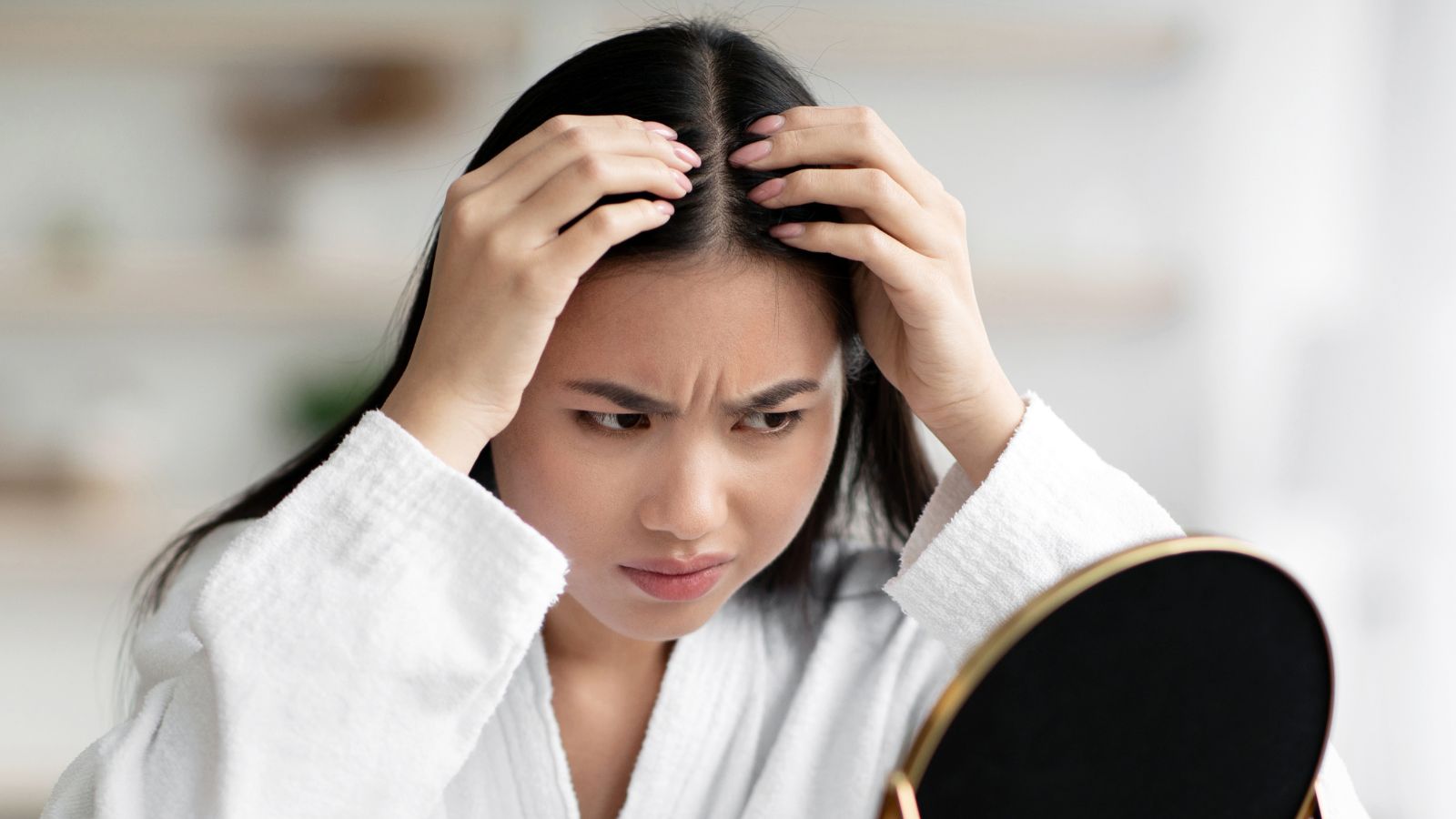
You’ve noticed more hair in the shower drain. Your ponytail seems thinner. You wonder if your weight loss meds are to blame.
If you’re on glp-1 meds like Ozempic, Wegovy, or Zepbound, you’re not alone. The link between these drugs and hair loss is real. Many people experience it.
The good news is that hair thinning from these meds is usually short-term. It’s often tied to quick weight loss, not the drug itself.
At Trademark Salon in Houston, Texas, we’ve helped many clients facing this issue. We know how upsetting it is to see your hair change while you’re working on your health.
This article will explain why glp-1 hair loss happens. We’ll talk about who’s most at risk and what you can do about it. We’ll also discuss how our Natural Beaded Rows Hair Extensions can help while your hair grows back.
Key Takeaways
- Hair thinning while taking weight loss meds like Ozempic and Wegovy is common, though not officially listed as a side effect
- The shedding is usually due to quick weight loss, not the medication affecting your follicles
- This type of hair loss is usually temporary and gets better once your body adjusts to the weight changes
- Natural Beaded Rows Hair Extensions can give you immediate volume and confidence during the recovery period
- Trademark Salon in Houston specializes in helping clients with hair concerns related to weight loss meds
- Understanding the connection between your treatment and hair changes helps you make informed decisions about solutions
Understanding GLP-1 Hair Loss and Why It Happens
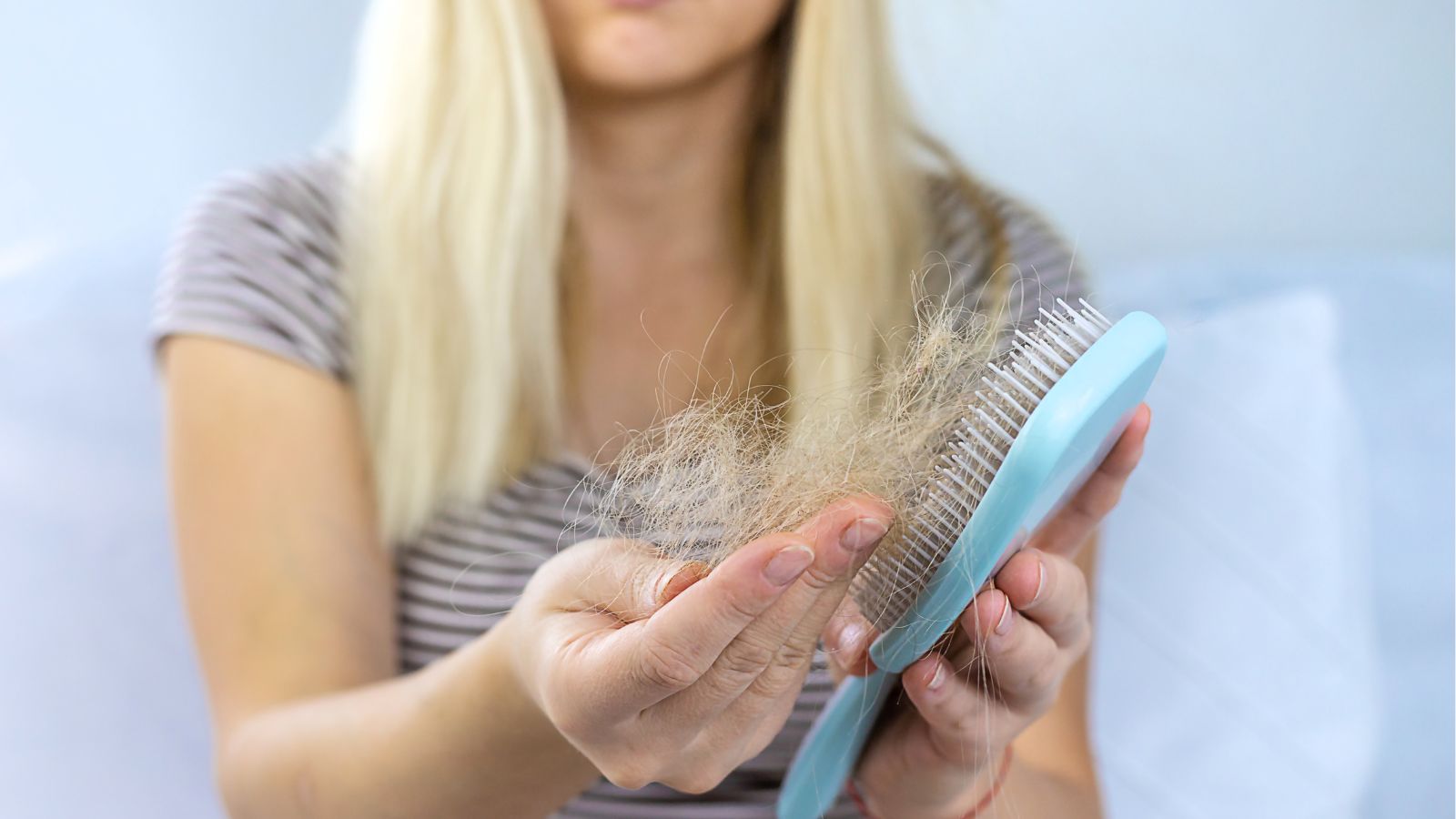
The increased daily loss of hair from GLP-1 meds isn’t a direct attack on your hair follicles. It’s an adverse effect of the body’s dramatic changes. Knowing the science behind it can help you stop worrying and start planning how to address it.
Thankfully, this type of shedding is usually temporary. But it can feel alarming when you see your hair thinning while losing weight.
Let’s dive into what’s happening and why your body reacts this way to weight loss meds.
How GLP-1 Medications Can Affect Hair Density
GLP-1 stands for glucagon-like peptide-1, a hormone that helps control blood sugar and appetite. Medications like Ozempic and Wegovy mimic this hormone to aid in weight loss.
These meds work well at slowing down digestion, reducing hunger, and improving insulin use.
Hair loss isn’t listed as a side effect by the makers, and many aren’t aware this exists until it’s already happening to them. But dermatologists see it often enough to recognize it as well as your hair stylist, too. The meds don’t attack hair follicles like chemotherapy does with blood flow to the scalp.
Rapid weight loss from these drugs causes your body to change in ways that lead to temporary shedding. Your hair is often the first sign of these changes.
Why Rapid Weight Loss Often Leads to Increased Shedding
Quick weight loss from medications and hair loss, whether from GLP-1 receptor agonist medication or other means, is seen as stress by your body. Even if you feel great, your body is undergoing big changes that stress it out. Does stress cause hair loss? The short answer is yes.
This stress triggers telogen effluvium, a common form of temporary hair loss. In telogen effluvium, hair follicles enter the resting phase too early and may disrupt the hair growth cycle.
Think of it like your body doing triage in an emergency. When resources are limited during the initial phase of rapid weight loss, it focuses on essential functions like keeping your heart and brain working. Hair growth gets put on hold, while taking a GLP-1 agonist will do what it does best.
The significant weight loss creates ongoing stress, not just a one-time event. This means you may experience hair loss that can last for months while you’re losing weight. You might lose a lot of weight and feel great, but your hair responds to the speed of that loss.
How Changes in the Body Can Disrupt the Hair Growth Cycle
To understand how rapid weight loss affects your hair, you need to know how the hair growth cycle works. Your hair goes through three main phases, with each strand in a different phase at any time.
| Hair Growth Phase | Duration | What Happens | Impact of GLP-1-Related Hair Loss |
| Anagen (Growth Phase) | 2-7 years | Hair actively grows from the follicle; about 85-90% of your hair is normally in this phase | Fewer follicles remain in active growth as body redirects resources |
| Catagen (Transition Phase) | 2-3 weeks | Hair stops growing and detaches from blood supply; represents about 1-2% of hair | This brief phase continues normally but leads more quickly to shedding |
| Telogen (Resting Phase) | 3-4 months | Hair rests before falling out; normally affects 10-15% of hair at once | Rapid weight loss pushes 30-50% of hair into this phase simultaneously, causing noticeable shedding |
Normally, only 10-15% of your hair is in the telogen (resting) phase at any moment. This means you naturally shed about 50-100 hairs per day without even noticing much difference in your overall hair density.
But rapid weight loss associated with glucagon-like peptide-1 can push 30-50% of your hair follicles into the telogen phase all at once. Suddenly, instead of losing 100 hairs a day, you might be losing 200 or 300.
This doesn’t happen immediately. There’s usually a delay of 2-4 months between when the stress occurs and when you notice the shedding. So if you started taking weight loss medications in January, you’re experiencing hair loss beginning in April or May.
The type of hair loss associated with GLP-1 medications is diffuse, meaning it happens all over your head. You won’t necessarily see bald spots, but your ponytail might feel thinner, or you can see more of your scalp when you part your hair.
But “eventually” can feel like a long time when you’re watching your hair thin out. That’s why understanding what’s happening and knowing you have options to improve hair density can make such a difference in how you feel about your weight loss journey.

Who Is Most Likely To Experience GLP-1 Hair Loss?
Not everyone on glucagon-like peptide-1 receptor agonists will experience hair loss. Some people are more likely to experience hair thinning or other effects on hair than others. Several things can affect your chance of losing hair while on these meds.
Your hair’s health, hormones, stress, and diet all matter. Knowing these factors isn’t about worrying. It’s about being ready to protect your hair if hair loss occurs.
People With a History of Fine or Thinning Hair
If you’ve had thin hair before starting GLP-1 meds, you might notice more shedding or hair falling out during your daily hair brushing routine. Your hair follicles might already be weak, making them more sensitive to weight loss stress. This doesn’t mean you can’t take these meds, but watch your hair closely.
Those with a family history of alopecia should begin exploring the hair loss risk before deciding if GLP-1 medication is right for them. The stress of quick weight loss can trigger or worsen the loss of hair. If thinning runs in your family, the mix of genetics and medication stress can lead to more hair loss.
Women with scalp issues like seborrheic dermatitis or chronic inflammation are also at risk. These conditions already harm follicle health. Adding the stress of quick body changes can push follicles into the shedding phase too soon.
Life-Stage Hormonal Changes
Hormonal shifts during big life changes increase your risk of hair loss. Women going through menopause or perimenopause already see hair thinning due to hormone drops. Adding the stress of quick weight loss from GLP-1 meds can make thinning worse.
Postpartum women are another high-risk group. Pregnancy and childbirth often lead to hair loss as hormone levels adjust. Starting GLP-1 meds during this time can make hair loss worse.
Those with PCOS or other endocrine issues face extra challenges. These conditions disrupt hormone balance, and the quick metabolic changes from GLP-1 treatment can make it harder for hair to grow.
High Stress Levels During Rapid Weight Loss
Stress, both physical and emotional, adds to the body’s stress during quick weight loss. If you’re dealing with big life stressors while on GLP-1 meds, you’re at higher risk for hair loss.
Chronic stress raises cortisol levels, pushing hair follicles into the resting phase too early. When stress and quick weight loss combine, your hair becomes very vulnerable. Your body focuses on survival over hair growth when resources are scarce.
Poor sleep and anxiety disorders can make this worse. Bad sleep quality disrupts repair processes, including hair growth. Not sleeping well while on GLP-1 meds adds to your risk of shedding, but the hair loss is typically temporary.
Nutrient Deficits – When the Body Isn’t Getting Enough Fuel to Promote Hair Regrowth
Your hair needs certain nutrients to grow and stay healthy. Important vitamins and minerals for hair include:
- B complex vitamins
- Vitamin D and E
- Zinc and iron
- Calcium and magnesium
- Adequate protein intake
Stanford Medicine research shows protein deficiency can make shedding worse. Eating enough nutrients while on these medications helps keep your hair healthy and can mitigate hair loss.
Recognizing the Signs: When Hair Loss from Weight Loss Medication and Drugs Becomes Noticeable
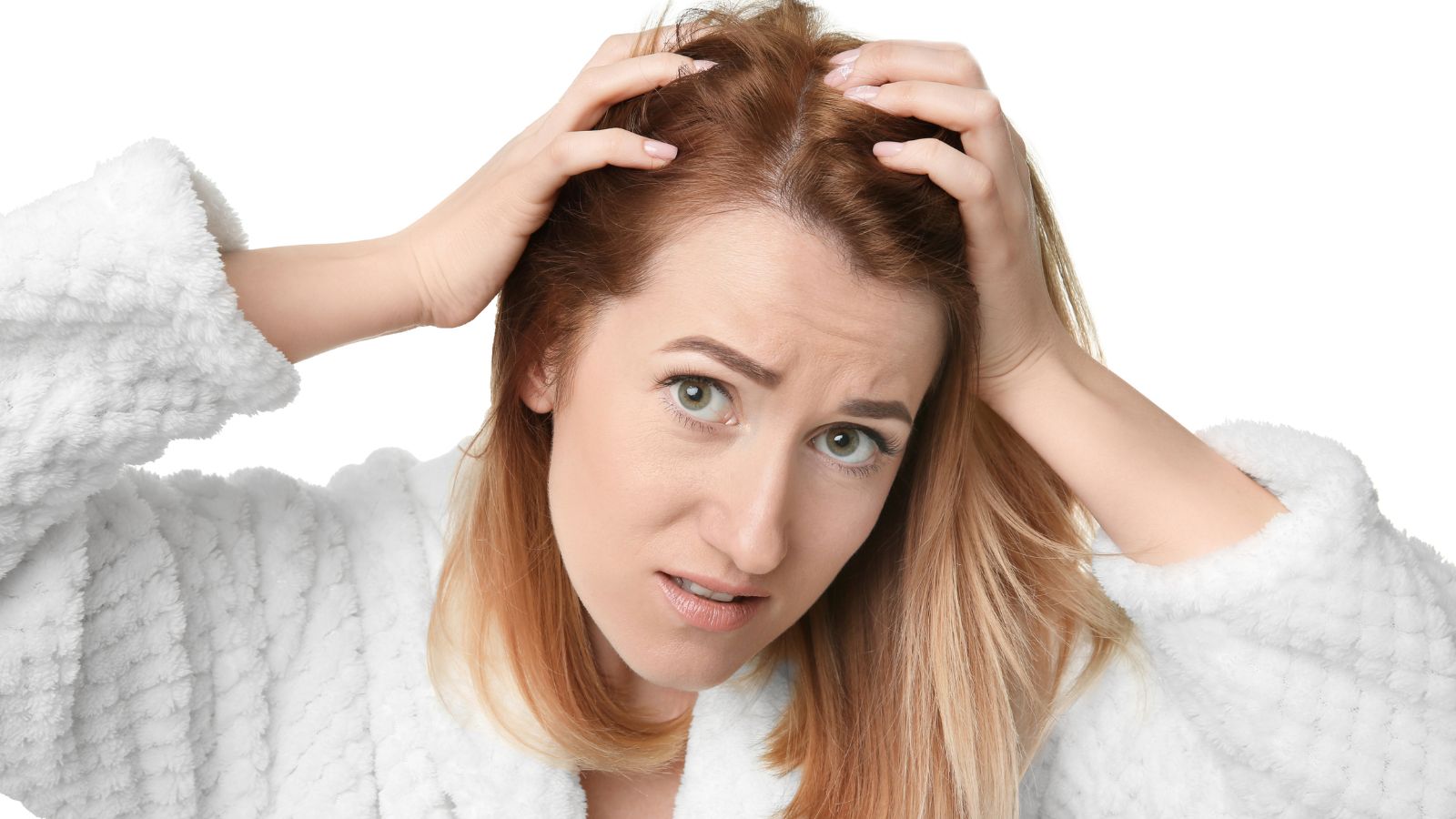
Seeing more hair in your shower drain can be scary. But knowing what to expect makes it less frightening. Hair loss from GLP-1 drugs doesn’t happen right away. It follows patterns that are easier to spot once you know what to look for.
Spotting hair loss from GLP-1 early helps you act fast. The good news is that this kind of hair loss follows predictable timelines and patterns. Let’s break down what you might experience and when.
Typical Hair Loss Patterns Associated with Ozempic and Wegovy
Hair loss from Ozempic and Wegovy looks different than you might think. Instead of bald patches or a receding hairline, you’ll see gradual thinning all over your scalp. This is called diffuse thinning, and it’s common with rapid weight loss.
You might first notice it in the shower. More hair than usual comes out when you shampoo. Your brush or comb will show an increase in hair collection after each use.
Your part line might seem wider. Some people say their hair feels “less dense” instead of seeing bald spots. The thinning is gradual, so friends might not notice right away. But you definitely feel the difference.
Timeline: When You Might Experience Hair Shedding
GLP-1-related hair loss occurs 2-3 months after starting these medications. It takes time for your body to adjust. Most people see hair improvement 6-12 months after their weight stabilizes, with some taking up to 18 months.
| Timeline | What Happens |
|---|---|
| Months 1-2 | Initial weight loss begins |
| Months 2-3 | Hair shedding may start |
| Months 3-6 | Peak shedding period |
| Months 6-12 | Gradual improvement begins |
| Months 12-18 | Full recovery expected |
Your hair needs time to get back to its normal hair growth cycle. New hairs have to grow in to replace what was lost before taking glp-1. This process doesn’t happen overnight—it unfolds gradually over many months.
Differentiating GLP-1-Related Hair Loss from Other Causes
Understanding the difference between hair loss from GLP-1 and other causes is key. Several distinct features separate GLP-1-related hair loss from other conditions.
The timing is the biggest clue. If your shedding started a few months after beginning treatment and coincides with rapid weight loss, it’s likely GLP-1-related. The sudden onset and connection to your medication timeline are key distinguishing factors.
Alopecia areata presents differently. This autoimmune condition creates round, smooth bald patches. These patches usually appear suddenly and have very distinct borders. The scalp in these areas looks smooth and healthy, without scaling or redness.
Scalp conditions like ringworm (tinea capitis) involve more than just hair loss. You’d likely notice scaling, flaking, or itchiness. The affected areas might look red or inflamed. Sometimes there’s even a distinctive ring-shaped pattern.
Here’s a quick comparison of how different types show up:
- GLP-1-related shedding: Diffuse thinning everywhere, starts 3-6 months after beginning medication, temporary, scalp looks healthy
- Pattern baldness: Specific areas affected (part line in women, temples or crown in men), gradual onset, progressive without treatment, genetic component
- Alopecia areata: Round bald patches with distinct borders, can happen suddenly at any age, may come and go, autoimmune trigger
- Scalp infections: Hair loss plus itching, scaling, or redness, may have broken-off hairs, requires antifungal treatment
Getting a professional opinion makes sense if you notice sudden bald patches instead of diffuse thinning, if you have any scalp symptoms beyond hair loss, or if the shedding seems severe or doesn’t match the typical timeline. Your dermatologist can help distinguish between different causes of hair loss and recommend the most appropriate treatment approach for your specific situation.

How Trademark Salon Helps Houston’s With GLP-1 Hair Loss
GLP-1 hair loss can make you feel less confident. Waiting 12 to 18 months for your hair and your confidence to be restored is too long. Trademark Salon in Houston, Texas, offers expert solutions for those experiencing hair thinning due to medication.
The team at Trademark Salon has helped many in Houston with hair loss from Ozempic and Wegovy. They know how to restore your hair volume while it recovers.
You don’t have to choose between how your health goals impact hair density and feeling good about your appearance. Professional hair solutions can give you back the thickness and fullness you remember, creating a bridge between where you are now and where your hair health is heading.
Natural Beaded Rows Hair Extensions Support Hair Confidence
Trademark Salon specializes in Natural Beaded Rows (NBR), a technique for GLP-1-related thinning. This method attaches wefts of extension hair to your natural strands without glue, heat, or damage.
This is important when concerns about hair being fragile from rapid weight loss is at the front of your mind. NBR distributes weight evenly, protecting your scalp and existing hair. Other hair extension methods can actually exacerbate hair loss
The extensions move naturally with your hair, creating seamless volume. You can wash, style, and treat them like your natural hair. Every 6 to 8 weeks, you’ll return for a maintenance appointment and a beautiful refresh.
Trademark Salon is known for its certified expertise in NBR and extensive NBR training. Their stylists have extensive experience with fine or thinning hair. They customize placement for maximum coverage, giving you a natural look of complete hair restoration.
NBR extensions transform more than your appearance. Clients report restored hair and confidence during a challenging time. You’ll see a new person in the mirror.
Learn More: Everything You Need To Know About Hair Extensions
Halo Hair Extensions
Professional halo clip-in extensions offer beautiful flexibility. They are made with lightweight hair wefts that clip securely into the hair, allowing added volume and length while remaining discreet and comfortable. When placed correctly, a layer of your natural hair blends over the clips so everything looks seamless and natural.
One of the biggest benefits of halo clip-ins is their removability. You can wear them during the day and remove them at night, giving your scalp and natural hair time to rest and breathe—especially helpful during periods of regrowth or sensitivity.
Halo clip-ins are a gentler option for fragile hair because they don’t require permanent attachment. The weight is spread across multiple clips rather than pulling on one area, making them comfortable for both special occasions and everyday wear when installed properly.
At Trademark Salon, our experts help you select and customize halo clip-in extensions that match your natural color, texture, and density. The result is a polished blend that gives you instant fullness when you want it, with the freedom to remove them whenever you choose.
A Change in Hair Style
Changing your hairstyle can hide thinning hair. Your stylist can cut your hair in layers for movement. They can also use special colors to add depth.
They’ll suggest products that support your health and protect your hair. This way, you can focus on your wellness journey without worrying about your hair.

Conclusion
Hair thinning from glucagon-like peptide-1 meds can be tough. But, the good news is it’s only temporary. Once your weight stabilizes, your hair will start growing again.
This recovery takes time, but you don’t have to feel bad about it. You can get through it without feeling down.
GLP-1 meds have real health benefits. They might cause hair loss, but working with your doctor can help. This way, you can avoid too much hair loss.
Proper nutrition and avoiding quick weight loss also help. These steps can prevent severe hair shedding.
GLP-1 receptors in your body can affect hair growth. But, there are ways to treat hair loss. Trademark Salon offers quick solutions that fit your needs.
Your confidence is key during your health journey. At Trademark Salon, they get what you’re going through. They’ve helped many in Houston with hair solutions that look and feel natural.
Want to feel like yourself again? Contact Trademark Salon for a personalized consultation. Your GLP-1 journey doesn’t have to affect how you feel about yourself.
FAQ
How do GLP-1 medications like Ozempic and Wegovy contribute to hair loss?
Hair loss isn’t officially listed as a side effect by the FDA. But, it’s being reported by dermatologists and patients. The hair loss isn’t directly caused by the medication. It’s due to the rapid weight loss and metabolic changes.
Many people notice more hair thinning, mainly during rapid weight loss. The good news is that this hair loss is usually temporary. It resolves once your weight stabilizes.
Why does rapid weight loss from GLP-1 drugs cause hair loss?
Rapid weight loss on medications like Ozempic or Wegovy causes significant metabolic changes. Your body sees this as stress, even if you feel fine. This leads to telogen effluvium, where hair growth isn’t a priority.
During this stress, hair follicles shift to the resting phase. This results in increased shedding weeks or months later. Also, the reduced appetite can lead to nutrient deficits. You might not get enough protein, biotin, zinc, iron, and other nutrients for healthy hair growth.
How long after starting a GLP-1 medication will I notice hair shedding or thinning?
You won’t experience hair loss right away after starting Ozempic, Wegovy, or other GLP-1 medications. There’s a delay of several months due to the hair growth cycle. Most people notice increased hair shedding around 3-6 months after beginning treatment.
The shedding may continue as long as you’re losing significant amounts of weight. While the hair loss is temporary, it can last 12-18 months. This is from onset until you see full regrowth, if your weight loss continues for an extended period.
Hair loss from GLP-1 medications typically presents as diffuse thinning all over your scalp. You might notice more hair in the shower drain, increased hair on your brush or pillow, a wider part line, or a thinner ponytail. Your scalp may show through more in bright light or when your hair is wet.
The thinning is usually uniform across your head. This is characteristic of telogen effluvium, not pattern baldness or other types of alopecia.
Are Natural Beaded Rows extensions safe for hair that’s already thinning from GLP-1 medications?
Yes, Natural Beaded Rows (NBR) extensions are safe for people experiencing GLP-1 hair loss. The method is gentle on existing hair. Unlike extensions that use glue or heat, NBR uses small beads to attach wefts of hair without causing additional stress or damage.
The stylists at Trademark Salon are certified experts in this method. They have extensive experience working with clients who have fine or thinning hair. The extensions can be customized to add volume exactly where you need it, they move naturally with your hair, and they grow out naturally, requiring maintenance appointments every 6-8 weeks.
Why should I choose Trademark Salon in Houston for help with GLP-1 hair loss?
Trademark Salon specializes in working with clients experiencing hair loss from GLP-1 medications. They understand the unique challenges you’re facing. The team has helped many Houston residents navigate this exact situation and knows how to create solutions that restore not just hair but confidence.
They’re certified experts in Natural Beaded Rows Hair Extensions—a method designed to be gentle on thinning hair. They also offer halo extensions and strategic styling that works with what you have. They’re not just providing products or services; they’re providing understanding, expertise, and compassion for what you’re going through during your health transformation.