
 May 12, 2026 | Natural Beaded Rows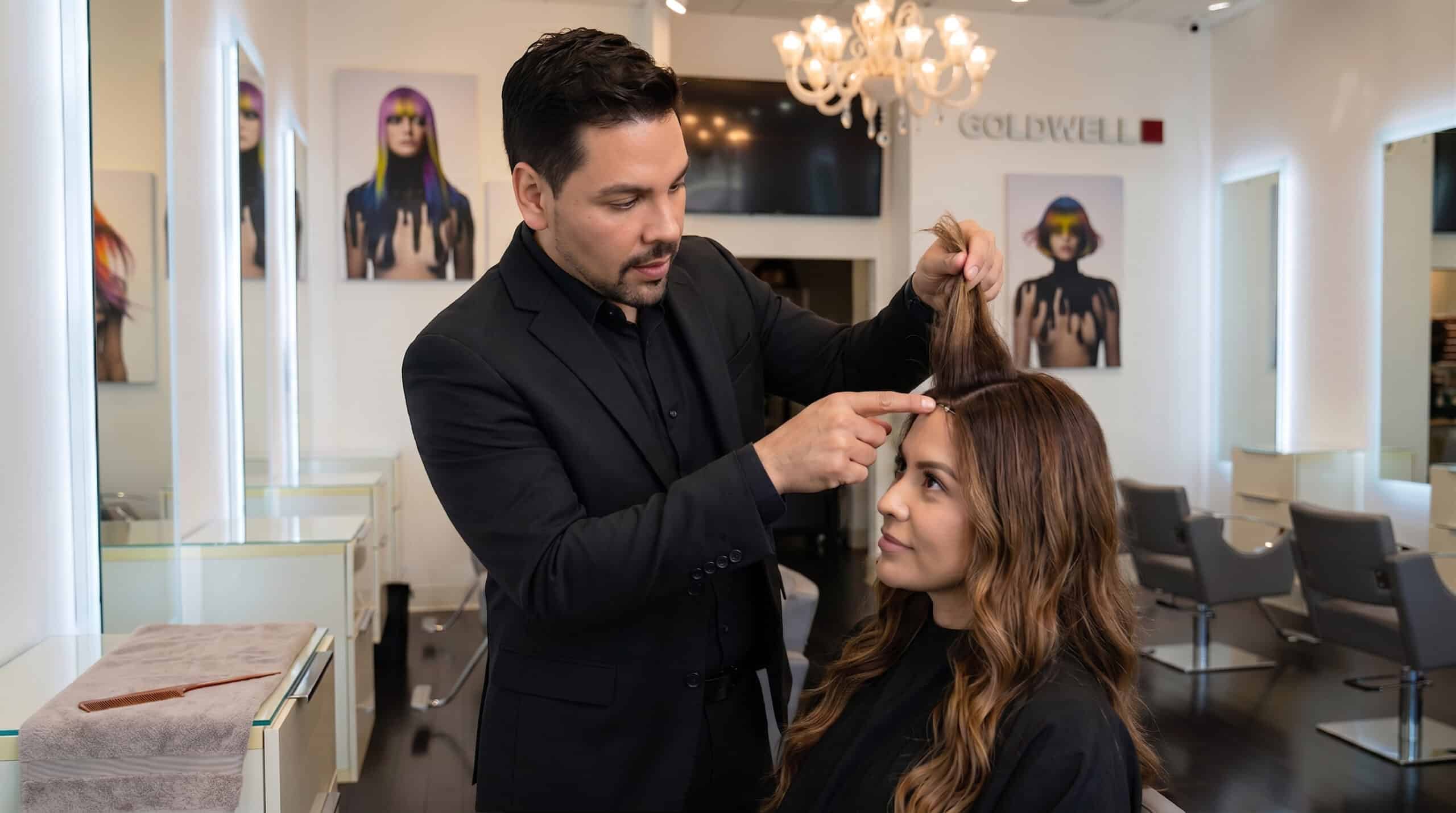
Something shifted, and you noticed. A bead that wasn’t there before, a weft sitting lower on one side, a looseness that didn’t exist last week. If you’re wearing Natural Beaded Rows and that quiet, unsettled feeling sent you straight to a search bar, you’re not overreacting — you’re paying attention at exactly the right moment. Catching slippage early is the difference between a quick same-visit correction and rebuilding your investment from scratch. Learn more about NBR hair extensions in Houston and what proper maintenance actually looks like. Understanding why this happens — and why the wrong response makes it significantly worse — starts right here.
Key Takeaways
- Bead slippage in NBR extensions is common and has identifiable, fixable causes
- The single most dangerous response is attempting to reposition a bead yourself at home
- Slippage that goes unaddressed for one to two weeks can cascade into full-row failure
- A trained stylist can assess the situation in minutes and tell you exactly what you are dealing with
- The sooner you have it checked, the more likely a simple same-visit correction is still an option
How Natural Beaded Rows Actually Work — and Why the Bead Is Everything
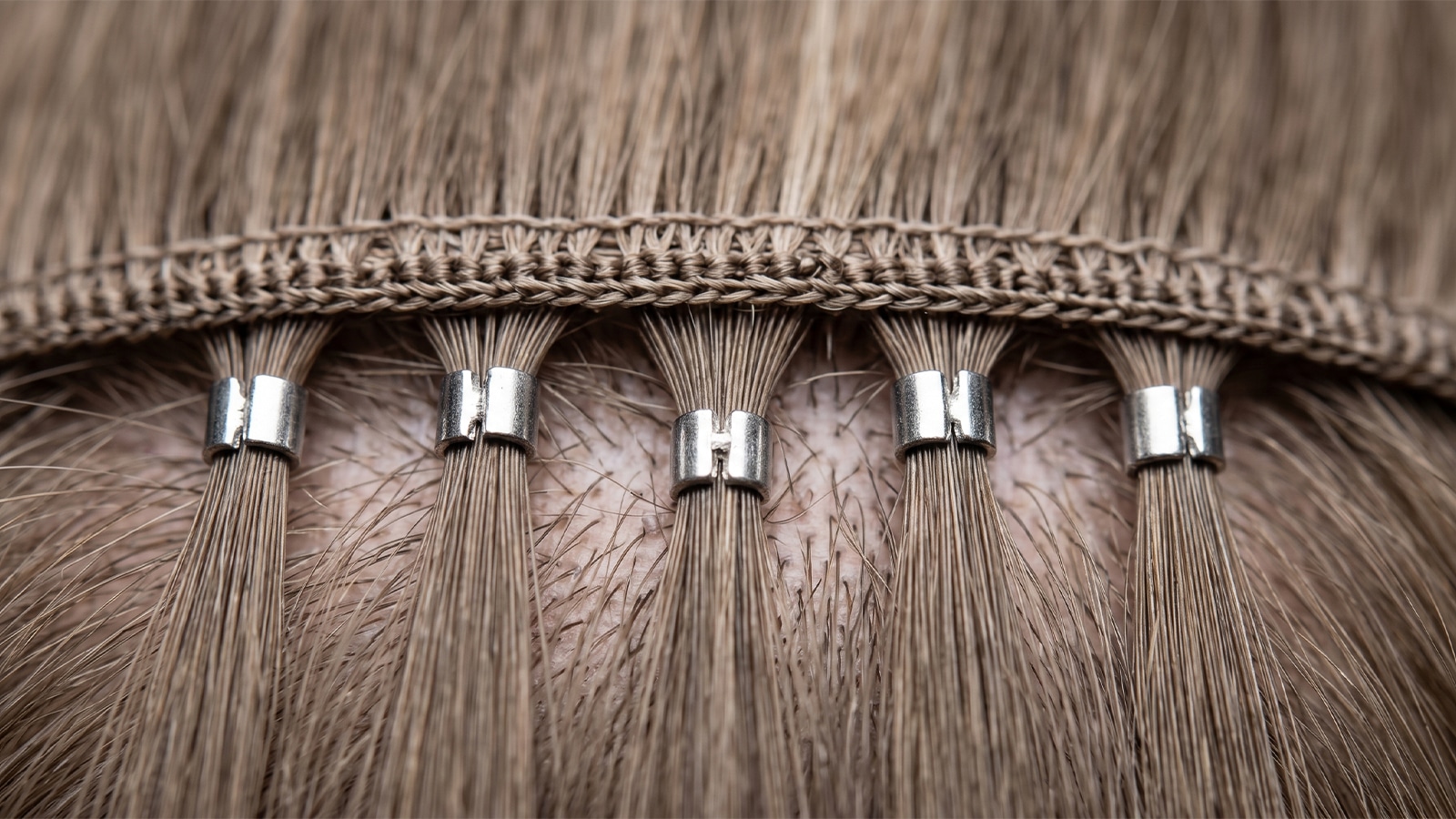
The NBR method creates a horizontal beaded row close to the scalp using your natural hair as the foundation. Small sections of that row are anchored with individual beads, each one crimped onto approximately one hundred strands of your own hair. A hand-tied weft is then sewn onto that beaded row, creating volume and length that moves like real hair and sits seamless against the scalp.
The bead is not decorative. It is the structural anchor for everything above it. Each strand of the weft depends entirely on the grip of those individual beads against your natural hair. A single bead shifting is a structural event, not a cosmetic inconvenience.
The system has one built-in challenge: hair grows. As your natural hair grows, the beads gradually migrate away from the scalp, reducing the friction that holds the weft in place. This is expected and manageable — it is exactly why scheduled move-up appointments exist. But when growth is faster than expected, when products weaken the grip, or when daily habits apply repeated pressure to the anchor points, slippage can happen well before your next scheduled visit.
Why Your NBR Hair Extensions Are Slipping: The Real Causes
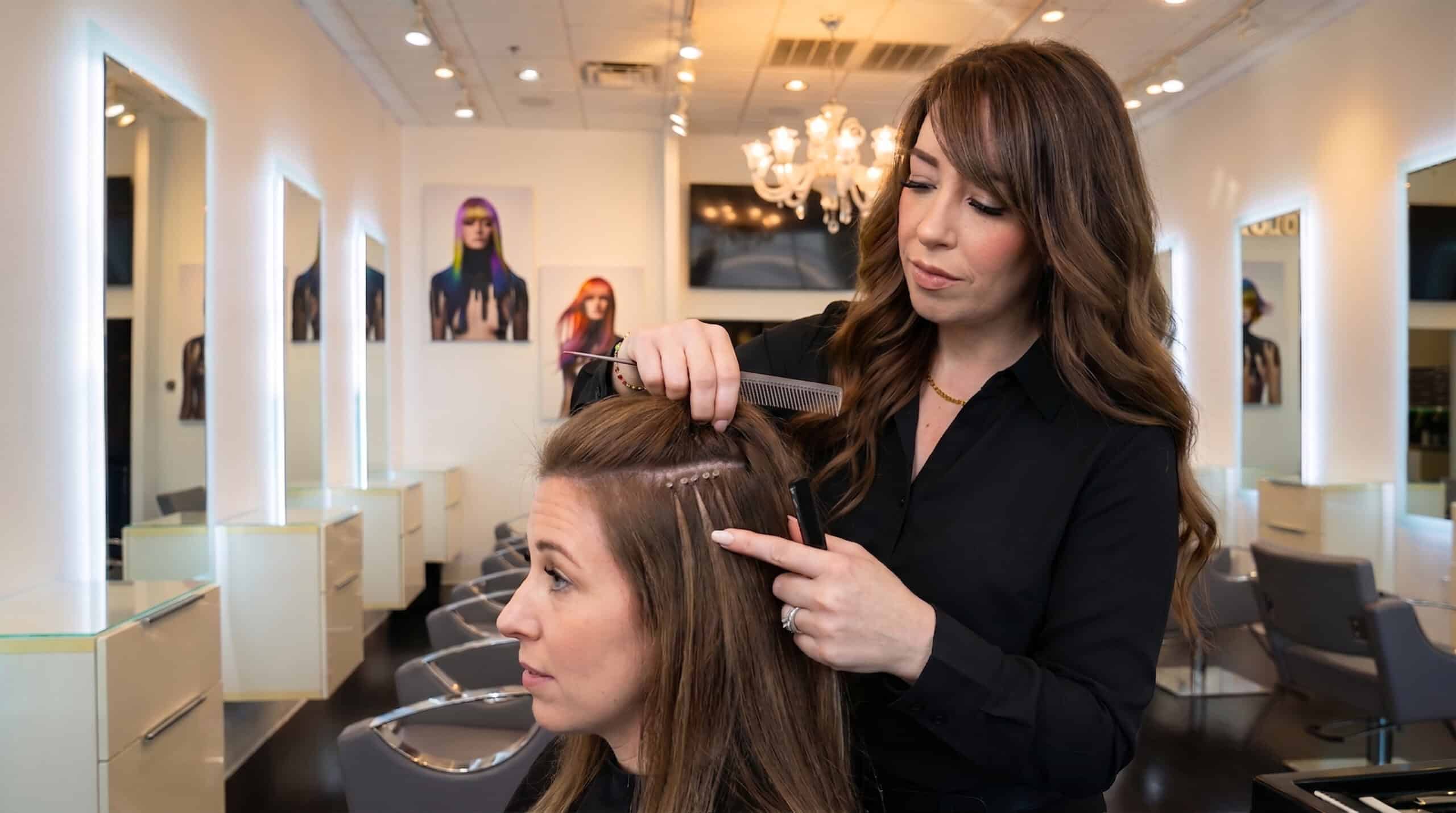
Most slippage comes down to one of five causes, and reading through them, you will likely recognize your situation.
- Hair grows faster than expected. As hair grows, the bead migrates down the strand. Normal, yes — but for some hair types, the gap between installation and loosening is shorter than the standard maintenance window allows.
- Product and conditioner buildup coats each strand and reduces grip from the inside out. Shampoo worked aggressively into the scalp pushes residue directly into the bead channel. Both are common causes that most wearers never suspect.
- Aggressive brushing or tension from styling transfers force directly to the bead anchor. Tight styles — a high ponytail, a slicked-back bun — pull on the row repeatedly and gradually loosen the crimp over time.
- Fine or low-density hair presents its own challenge. Fewer strands inside each bead anchor means less surface area for grip. Women with fine hair experience slippage more frequently, and that is not a failure of the method — it is a factor that requires more precise bead sizing and section placement from the outset.
- If slippage occurred within the first two weeks, aftercare is rarely responsible. Bead sizing, section tension, or row placement may not have been optimized for your specific hair type. That is worth discussing with your stylist directly — not troubleshooting at home, and certainly not correcting yourself.
Houston’s persistent humidity adds a layer worth naming. Heat and moisture accelerate buildup inside the bead channel and can shorten the effective grip window by weeks. If you’ve noticed slippage sooner than expected, that environmental factor may be part of the explanation.
Why You Shouldn’t Try to Fix a Slipped Bead Yourself
This is the part most people skip past. It is also the part that causes real damage.
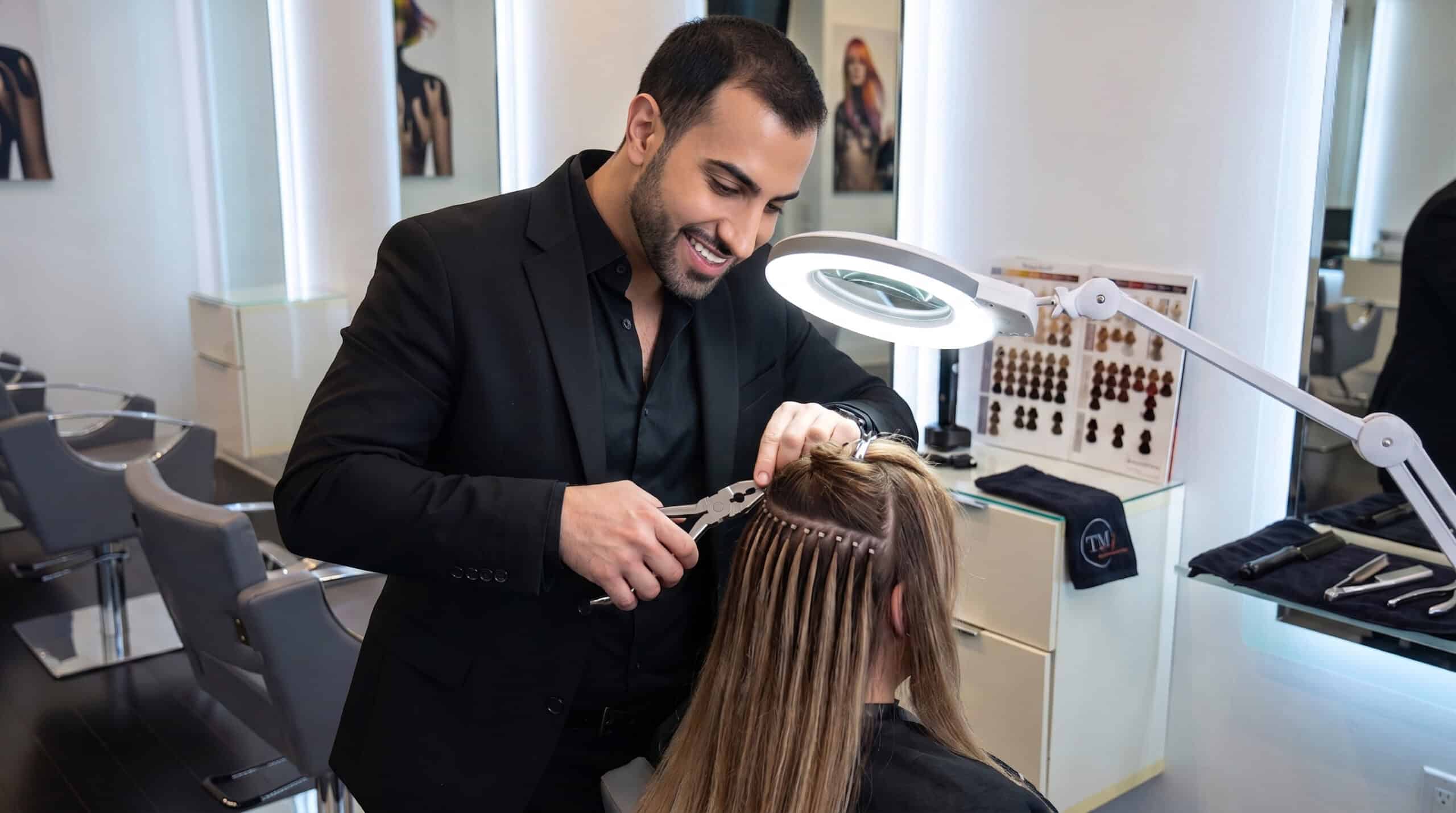
You cannot observe the rotation of your own beads without a professional mirror setup and trained eyes. A bead that appears to be back in position after you push it upward can be crimped off-axis by a quarter turn — invisible to you, and enough to guarantee the weft slips again within days. The DIY attempt accomplished nothing except shortening the window before the next failure.
Pushing a bead upward with fingers or household pliers compresses it unevenly. That compression creates a pressure point directly against each fine strand at the root. The result is not immediate breakage — it is slow micro-fracturing that shows up as strand snapping over the following days. The wearer rarely connects it to the DIY attempt because the damage appears later. In some cases, a micro-fracture inside the bead causes sudden total release of the weft, and natural hair comes with it.
There is also the buildup problem. If product accumulation inside the bead channel caused the slippage — and it frequently does — repositioning the bead without clearing that channel simply restarts the same failure. There is no home remedy that safely removes buildup from an active bead channel without risking the bead cracking or the weft anchor loosening further. If you are in Houston and noticing slippage, the most protective thing you can do right now is call Trademark Salon at (832) 717-3422 and describe what you are feeling before anything else.
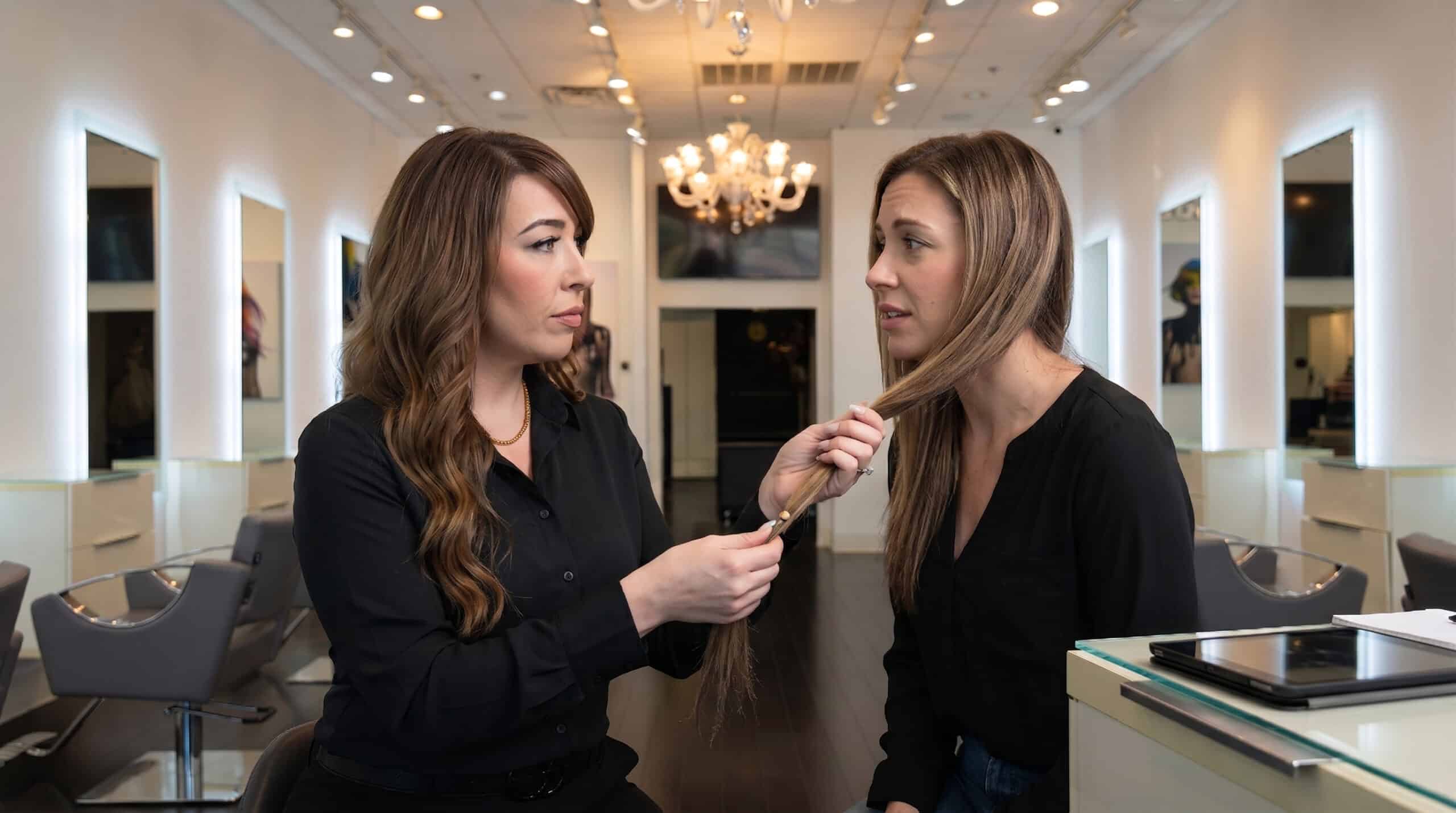
What Happens If You Wait Too Long
One slipped bead shifts its load to the anchor points on either side of it. Slippage is not a static event. It spreads.
| Time Since Slippage Noticed | What Is Likely Happening |
|---|---|
| Days 1–3 | Single bead has shifted; weft tension is uneven but contained |
| Week 1–2 | Neighboring anchor points absorbing extra load; slippage spreading |
| Week 2–4 | Tension asymmetry across the full row; traction stress beginning at scalp |
| Beyond 4 weeks | Full row reset likely required; service guarantee window may have closed |
Each night, a misaligned bead applies small amounts of traction to the hair follicle during sleep. That cumulative stress is one of the primary causes of thinning at the temples and hairline in NBR wearers who delayed addressing slippage. Tangle and matting develop as the weft shifts further and compounds the problem.
Waiting also has a direct financial consequence. Many stylists offer a service guarantee tied to the original installation. Once the slippage window has passed, correction may come entirely out of pocket. The cost difference between a single bead reset and a full row reinstall is significant. Acting early is the financially protective choice.
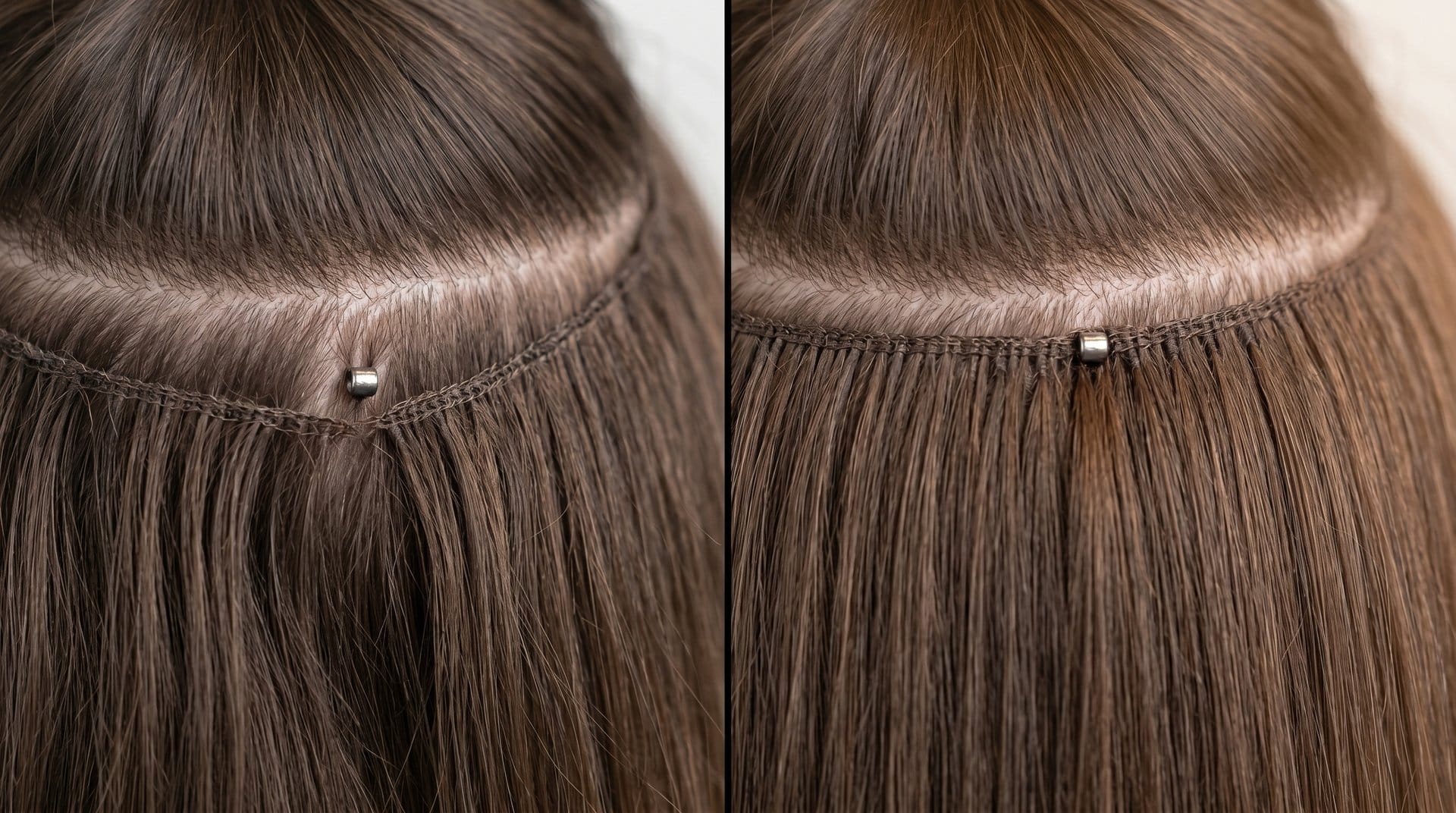
What a Stylist Assessment Actually Looks Like
A hands-on assessment takes approximately five minutes and answers three specific questions: how many beads have shifted, whether your natural hair underneath has been affected, and whether this is a same-visit correction or a sign the row needs a full adjustment. That distinction determines whether you are looking at a minor fix or rebuilding your hair extension investment from scratch.
The assessment is not a judgment. A trained NBR stylist has seen extension slippage at every stage of severity, and the goal is information. For fine hair or layered hair, the stylist will also evaluate whether resectioning is needed before any bead is repositioned. Resetting a bead without addressing the section beneath it restarts the same failure cycle.
At Trademark Salon in Houston, this is exactly the evaluation our NBR stylists provide for current extension wearers. If you are unsure whether what you are feeling needs same-week attention or can wait for your scheduled appointment, that question deserves a real answer — not another search result.
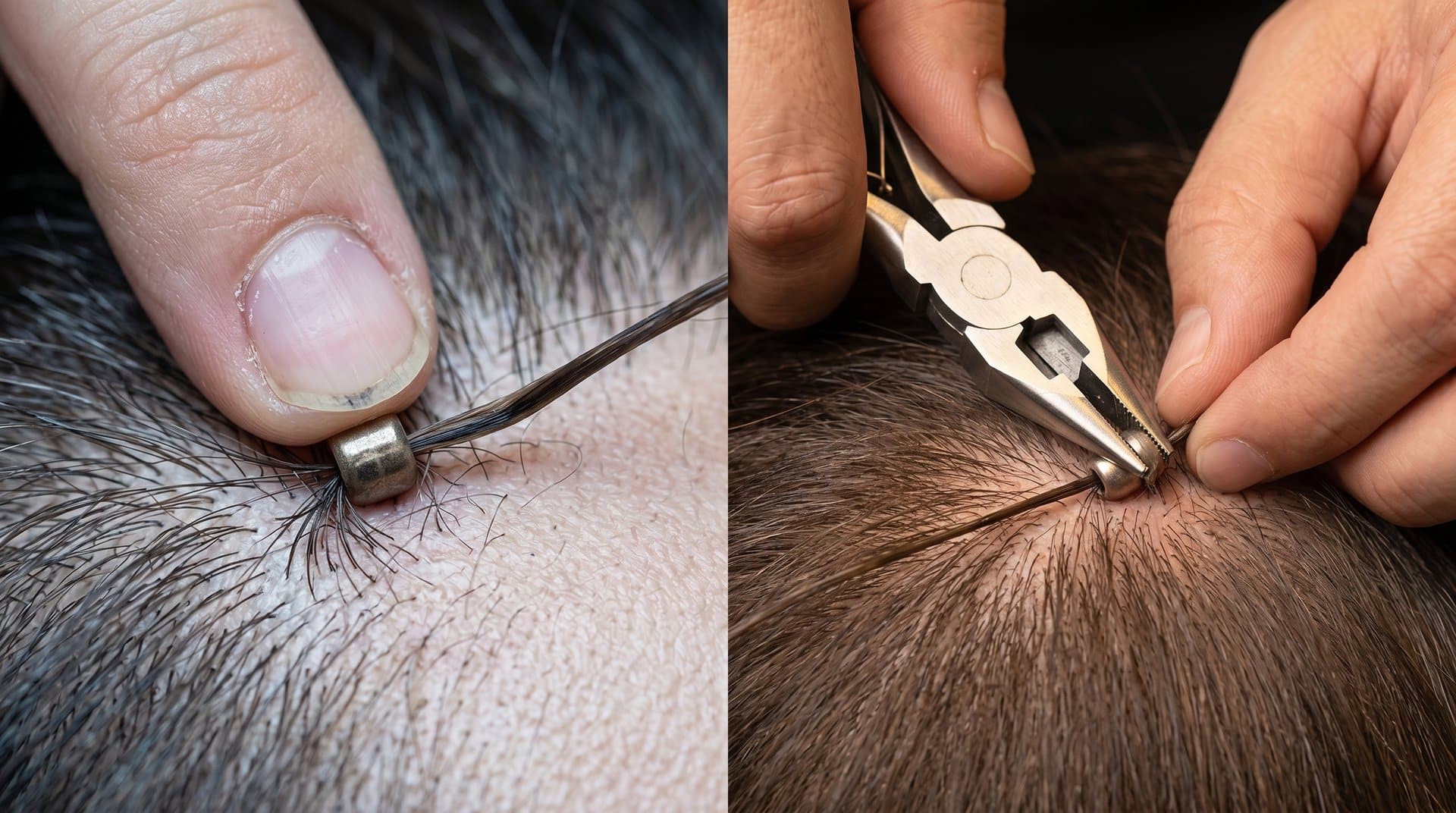
Before You Touch That Bead
Slippage is common. It does not mean you failed to care for your extensions. It does not mean the investment is lost. It means one part of a precise system has shifted and needs to be addressed by someone who can see it, measure it, and correct it without creating a second problem.
The difference between a quick reset and a full rebuild comes down to how soon you act — and whether you act or try to handle it yourself.
Trademark Salon offers NBR extension assessments for current wearers in Houston. Describe what you’re feeling, get a straight answer about whether it needs attention this week, and leave with a clear plan. That conversation is free. A delayed correction is not. Reach out to Trademark Salon today at (832) 717-3422 and protect what you invested in.
FAQ
Is it normal for NBR beads to slip between appointments?
Some migration is expected as hair grows and the beads move naturally away from the scalp. Active slippage — where a bead has visibly shifted or the weft feels unstable — is different and should not be waited out. If you notice loosening before your scheduled move-up, contact your stylist to assess whether an earlier visit is warranted.
Can I push a slipped bead back up myself?
No. Repositioning a bead without the proper tool compresses it unevenly and can create a pressure point that causes strand breakage over the following days. Even if the bead looks correct after you push it up, the angle may be off in a way that causes the weft to slip again within days. A stylist needs to handle any bead repositioning.
Does conditioner cause NBR extension slippage?
Conditioner applied at or near the bead channel coats each strand and reduces the grip that holds the bead in place. Apply conditioner from mid-shaft to ends only, and be intentional about your shampoo technique as well — working shampoo aggressively into the scalp can push residue into the bead channel over time.
How long do Natural Beaded Rows extensions last between move-up appointments?
The standard maintenance window is six to eight weeks. Fine hair or faster-growing hair may need appointments closer to the six-week mark. How long your extensions last between appointments also depends on your daily care habits, the products you use, and how consistently you protect the row during sleep and styling.
My row feels loose on one side. Does that mean the whole row needs to be redone?
Not necessarily. Tension imbalance in one section does not automatically mean a full reset, but it does need to be assessed by a stylist before the load-shifting spreads to neighboring anchor points. The earlier you have it evaluated, the more likely a targeted correction is still an option.
Will fixing a slipped bead damage my natural hair?
Correctly repositioned beads by a trained stylist do not damage natural hair. Leaving a misaligned bead in place, however, creates ongoing traction at the scalp that can cause thinning over time. Professional correction protects your natural hair. Ignoring the problem is what puts it at risk.
How should I brush NBR extensions to avoid causing slippage?
Always brush before washing, not after, when hair is most fragile. Start from the ends and work upward toward the braid row — never pulling from the root downward. A loop brush or soft-bristle extension brush reduces the mechanical force transferred to the bead anchor with each stroke. Brushing correctly is one of the simplest ways to extend the stability of your extensions between appointments.