
 October 17, 2025 | Hair Tips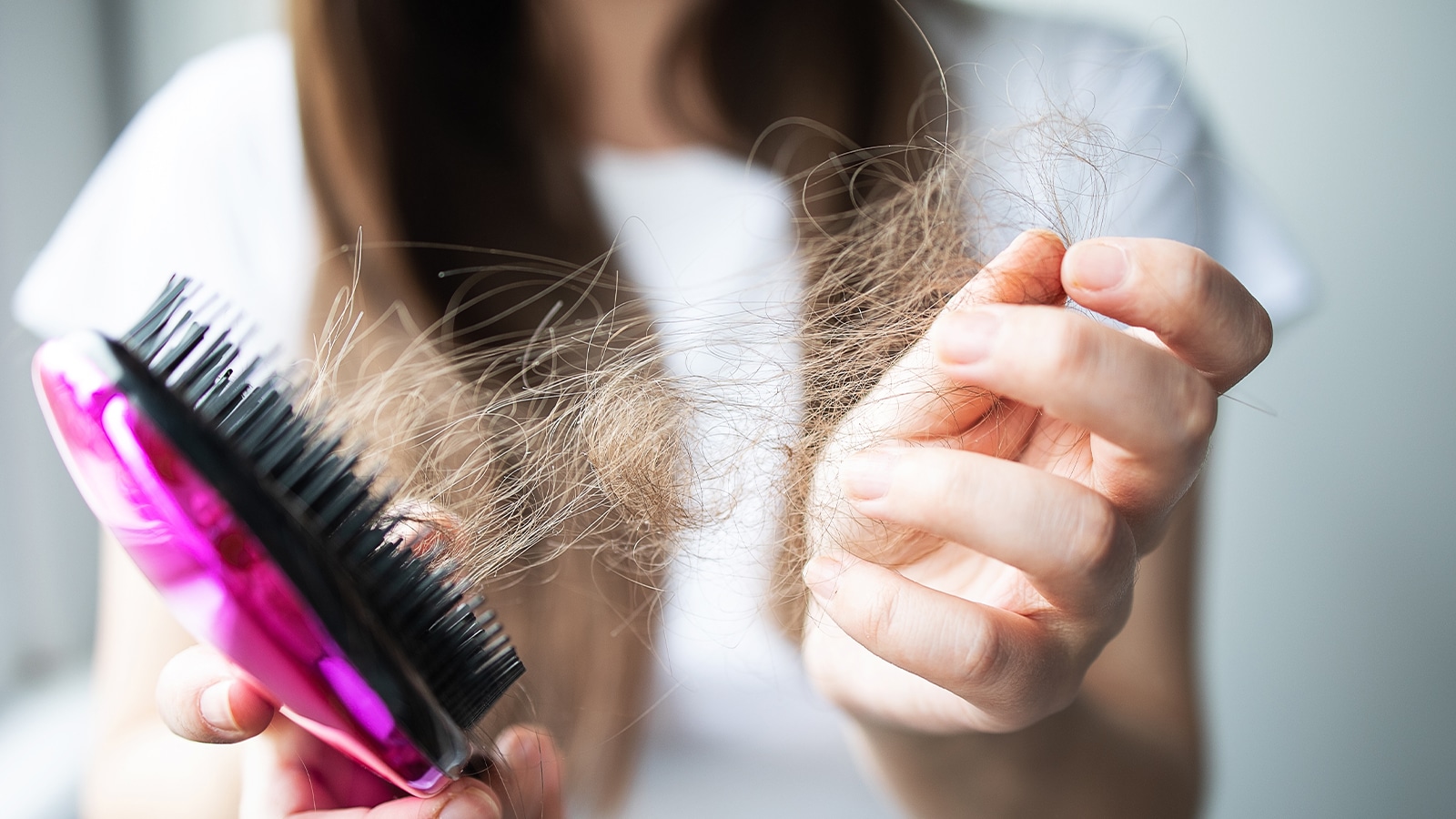
Have you noticed more hair in your brush? You might wonder if stress is the culprit. The truth is, yes—stress can lead to hair loss. Studies show that stress affects your hair follicles and overall hair health.
You’re not just seeing things. High anxiety can cause three specific hair loss conditions: telogen effluvium, trichotillomania, and alopecia areata. Each condition affects hair differently but all are triggered by stress or physical strain.
But here’s the bright side: you can stop this. If you’re losing hair, reducing stress can help it grow back. Learning how stress impacts your scalp is the first step to healthy hair and confidence.
Key Takeaways
- Anxiety and shedding are scientifically connected through three main conditions that affect your follicles
- Telogen effluvium, trichotillomania, and alopecia areata are the primary types linked to emotional strain
- Your body’s response to tension can push follicles into a resting phase, leading to temporary shedding
- Managing your anxiety levels may help reverse the condition and promote regrowth
- This situation is often temporary and treatable once you identify the underlying triggers
- Understanding the connection between mental strain and scalp health is essential for effective treatment
Does Stress Cause Hair Loss? Understanding the Connection
Stress can affect your hair in ways you might not know. When you’re stressed, your body changes hormones that harm your hair follicles. This isn’t just feeling worried—it’s a real biological change that can make your hair stop growing and fall out.
Your hair doesn’t grow all the time like your nails. It goes through phases that decide if it grows, rests, or falls out. Knowing this cycle helps explain why stress can cause hair loss weeks or months later.
The Natural Hair Growth Process
Your hair cycle has three main phases. The anagen phase is when your hair grows, with cells dividing fast. This stage can last from two to four years, and most of your hair is in this phase.
The catagen phase is a short transition. It lasts a few weeks, where the hair follicle stops growing. About 5% of your hair is in this phase, taking a short break before the final stage.
The telogen phase is when your hair stops growing. A white keratin bulb forms at the root, keeping the hair in place until it sheds. Losing 50-100 hairs daily is normal, as about 5-10% of your hair is in this phase.
| Hair Growth Phase | Duration | Percentage of Hair | What Happens |
|---|---|---|---|
| Anagen (Growth) | 2-4 years | 80-90% | Active cell division, hair shaft lengthens |
| Catagen (Transition) | 2-3 weeks | ~5% | Follicle regresses, growth stops |
| Telogen (Resting/Shedding) | 2-4 months | 5-10% | Hair remains dormant, then sheds naturally |
How Stress Hormones Disrupt Your Hair
Stress makes your body release hormones like cortisol. Research from Harvard University in 2021 showed how these hormones affect hair growth. Stress changes how your hair follicle stem cells work.
Stress hormones don’t directly harm stem cells. Instead, they affect cells called the dermal papilla. These cells normally help your hair grow by releasing a molecule called GAS6.
When stress hormones rise, they stop the dermal papilla from releasing GAS6. Without GAS6, your hair follicle stem cells don’t grow new hair. This makes your hair stop growing and fall out more.
Chronic stress in mice made their hair grow less, with follicles staying in a resting phase longer.
This research shows why stress affects your hair so much. Stress can make up to 70% of your hair stop growing. A few months later, you’ll notice more hair loss than usual.
Short-Term Stress vs. Long-Term Effects
Not all stress affects your hair the same. Acute stress, like a sudden event, can be a cause of hair loss. But your hair usually grows back once the stress goes away.
Chronic stress is different. It keeps your cortisol levels high, making your hair follicles stay in a resting phase longer. This makes it harder for your scalp to grow hair normally.
Acute stress might cause shedding three months later, but hair growth usually returns in six to nine months. Chronic stress keeps your hair cycle disrupted as long as the stress lasts.
Your body’s stress response is meant for immediate threats, not long-term stress. When stress hormones stay high, they harm your hair follicles and other body functions. But, managing stress can help your hair growth cycle start again.
Three Types of Stress-Related Hair Loss
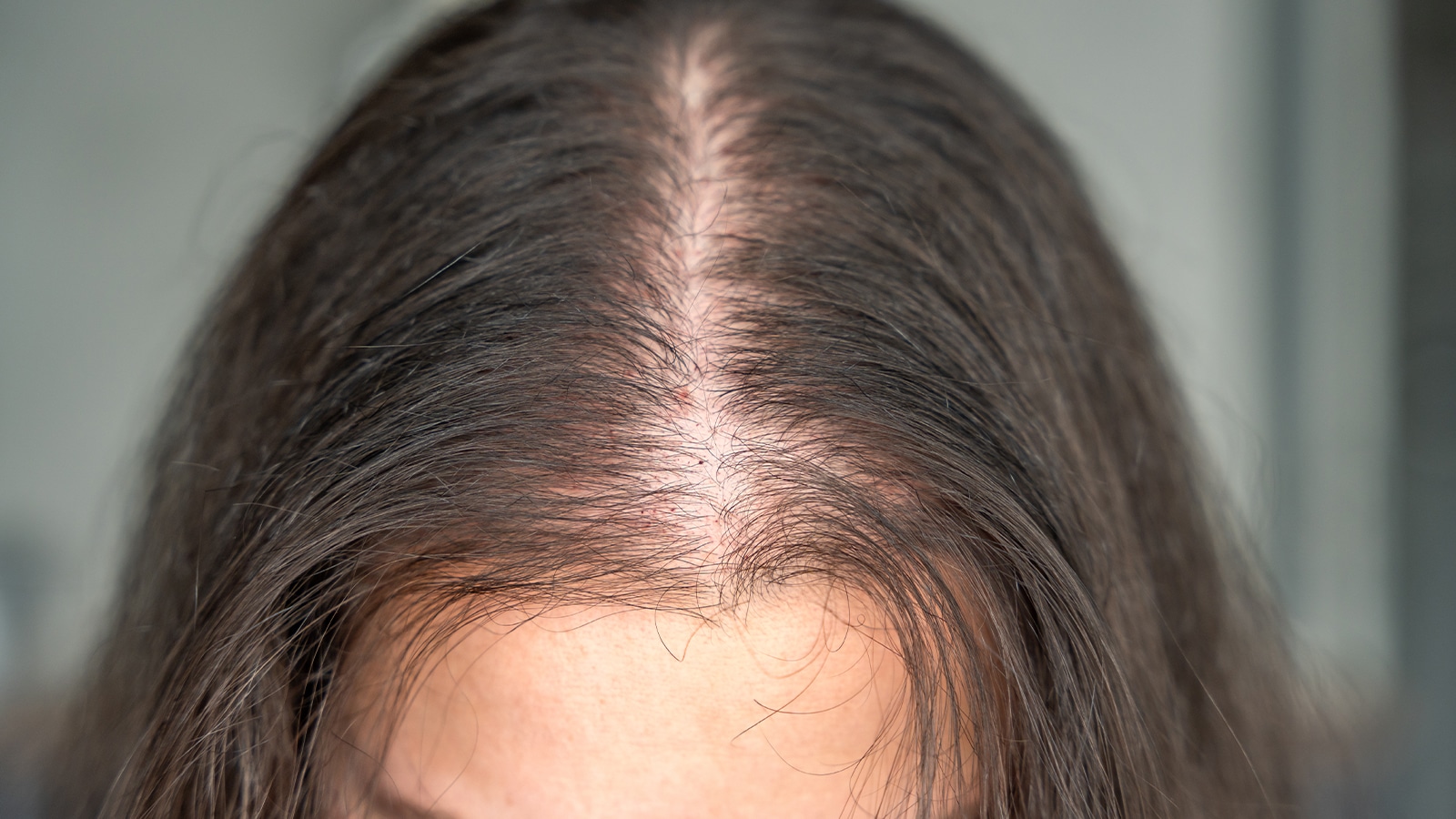
Stress can affect your body in many ways, including hair loss. There are three main types of hair loss caused by stress. Each has its own signs, timeline, and pattern. Knowing which type you have is key to finding the right treatment.
The Most Common Form: Telogen Effluvium
Telogen effluvium is the most common stress-related hair loss. It happens when stress makes many hair follicles rest at once. About two to three months later, these hairs fall out.
When you wash or brush your hair, you might see a lot of hair falling out. Instead of the usual 100 strands, you could lose up to 300 strands daily. This hair loss is most noticeable on the top of your head.
There are two types of telogen effluvium:
- Acute telogen effluvium lasts less than six months and starts 2-3 months after a stressful event like surgery or illness
- Chronic telogen effluvium lasts longer than six months and can be harder to pinpoint a cause
The good news is that 95% of acute cases get better once the stress is gone. Anyone can get telogen effluvium, but chronic cases are more common in women aged 30-60. This type of hair loss usually doesn’t lead to complete baldness.
When Your Immune System Attacks: Alopecia Areata
Alopecia areata is different from other stress-related hair loss. Your immune system mistakenly attacks the hair follicles. This causes round, smooth patches where hair suddenly disappears.
You’ll notice sudden or patchy hair loss on your scalp, eyebrows, beard, or other areas. The bald spots are usually circular and can be small or large. Unlike telogen effluvium, alopecia areata creates distinct patches.
Severe stress can trigger this autoimmune response, but the exact mechanism is unclear. Some key facts about alopecia areata include:
- The immune system mistakenly identifies hair follicles as threats
- Hair loss caused by stress through autoimmune pathways can be unpredictable
- Some people experience regrowth while others face recurring episodes
- The condition doesn’t follow the same timeline as telogen effluvium
Scientists don’t fully understand why some people develop this form of hair loss while others don’t, even with similar stress levels. Genetics and other factors likely play important roles alongside stress triggers.
The Psychological Response: Trichotillomania
Trichotillomania is a different category of stress-related hair loss. It’s not about your body’s physical response to stress—it’s a psychological coping mechanism. If you feel an irresistible urge to pull out your hair, you’re dealing with a real disorder that requires professional help.
People with trichotillomania pull hair from their scalp, eyebrows, eyelashes, or other areas. The hair pulling often happens when you’re feeling stressed, anxious, bored, lonely, or frustrated. It might provide temporary relief from uncomfortable emotions, but it creates noticeable losing hair patterns and can damage follicles.
This hair loss condition has distinct characteristics:
- It’s triggered by stress or negative emotions, not hormonal changes
- The pulling can be automatic or focused and deliberate
- You might not even realize you’re doing it until you see the hair fall results
- The patterns of hair loss appear irregular, not in neat patches
Trichotillomania isn’t just a “bad habit” you can easily stop. Your brain uses hair pulling as a way to manage overwhelming feelings. The behavior becomes reinforced over time, making it increasingly difficult to control without proper treatment and support.
Understanding which type of stress hair loss you’re experiencing is key. Telogen effluvium often improves once you address the underlying stressor. Alopecia areata may require medical interventions to calm your immune system’s attack on hair follicles. Trichotillomania benefits most from behavioral therapy and stress management techniques that address the psychological roots of the hair pulling behavior.
Treatment Options and Managing Stress for Healthy Hair Growth
Stress can cause hair loss, but you can fight back. There are effective treatments and ways to manage stress. This can help your hair grow back.
This section will guide you on how to recover. You’ll learn about professional treatments, stress reduction, and lifestyle changes. These can stop hair loss and promote healthy growth.
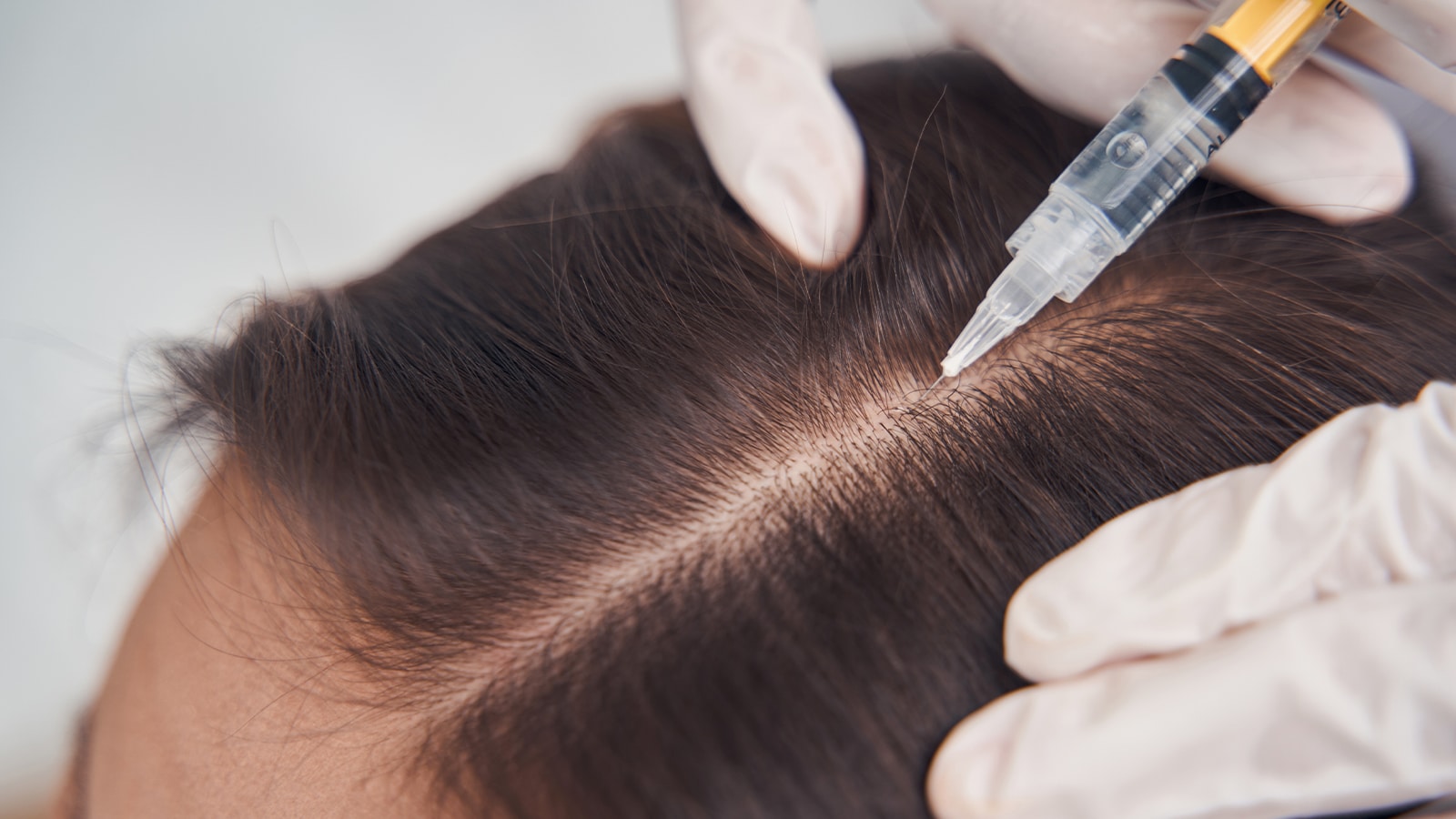
Professional Hair Loss Treatment at Trademark Salon
Expert help is sometimes needed for hair loss. Trademark Salon in Houston offers specialized hair treatments. Their luxury salon services can make a big difference.
A scalp analysis helps find the cause of your hair loss. This personalized approach ensures your treatment meets your specific needs.
Topical treatments stimulate hair follicles. They improve blood flow to the scalp and deliver nutrients to the follicles.
Your stylist may recommend products for thinning hair. These products strengthen existing hair and support new growth.
You’ll also get a personalized hair care routine. This routine is gentle to avoid stressing your hair further.
Getting an expert opinion can reduce your stress. This peace of mind supports your recovery.
Effective Stress Management Techniques to Reduce Hair Loss
Reducing stress is key to recovering from hair loss. Extreme stress daily can prevent your hair from growing back. You need to tackle both stress and hair loss together.
Regular exercise lowers cortisol levels. Even 30 minutes of moderate activity daily can help. It improves circulation, including to your scalp.
Mindfulness practices like meditation or yoga help manage stress. They teach your nervous system to respond differently to stressors, breaking the cycle of hair loss.
Getting enough sleep is essential for stress management. Your body needs 7-9 hours nightly to regulate stress hormones. Poor sleep keeps stress levels high, disrupting hair growth.
Consider therapy or counseling for emotional stress. Professional mental health support addresses the root causes of severe stress.
Understanding how stress affects your body motivates stress reduction. The link between stress and hair loss makes mental and physical health connections clear.
| Stress Management Technique | How It Helps | Time Commitment | Expected Results |
|---|---|---|---|
| Regular Exercise | Lowers cortisol, improves scalp circulation | 30 minutes daily | Reduced stress levels within 2-4 weeks |
| Meditation/Yoga | Regulates stress response, calms nervous system | 15-20 minutes daily | Better stress control within 4-6 weeks |
| Quality Sleep | Balances stress hormones, supports healing | 7-9 hours nightly | Hormone regulation within 2-3 weeks |
| Therapy/Counseling | Addresses root causes of emotional stress | 1 hour weekly | Long-term stress management over 8-12 weeks |
Lifestyle Changes That Promote Hair Regrowth
Professional treatments and stress management are not the only solutions. Lifestyle changes also support hair growth. These changes help your hair follicles produce healthy hair again.
Nutrition is key for hair health. A balanced diet with proteins is essential for hair structure. Without enough protein, your follicles can’t create strong strands.
B vitamins, like biotin and B12, support the hair growth cycle. Vitamin D and vitamin E protect follicles from oxidative stress. Iron prevents anemia-related shedding, while omega-3 fatty acids reduce inflammation that may slow hair loss.
Staying hydrated helps transport nutrients to hair follicles. Dehydration makes hair brittle and prone to breakage.
Limit harsh chemical treatments to prevent hair loss. Bleaching, perming, and excessive heat styling add stress to your hair.
Avoid tight hairstyles that pull on your roots. Constant tension can contribute to hair loss, affecting your hairline and temples.
Be gentle when washing your hair. Use lukewarm water and massage shampoo with your fingertips instead of scratching with your nails.
Skip aggressive towel-drying. Gently squeeze out excess water and pat your hair dry. Wet strands are more vulnerable to damage.
If you notice sudden or patchy hair loss or more than usual hair loss when combing or washing your hair, talk to your doctor. Sudden hair loss can signal an underlying medical condition that requires treatment.
Your hair may take several months to show visible improvement. Remember, the hair growth cycle doesn’t happen overnight. Most people see their natural hair grow back once they get their stress under control and support their body properly.
Research suggests the Gas6 pathway could potentially be exploited for activating stem cells to promote hair growth in the future. While this remains experimental, it shows promise for even more effective loss treatments down the road.
If you’ve tried managing stress on your own and aren’t seeing improvement after six months, consult with a doctor. Some cases require medical evaluation to rule out other conditions that result in hair loss.
The key takeaway is that you have options. Professional treatments, stress reduction, and lifestyle modifications all work together to stop hair loss and encourage healthy strands. Hair loss is usually reversible when stress is the primary cause, giving you every reason to be optimistic about your recovery.
Conclusion
Yes, stress can cause hair loss. But, there’s hope. Managing stress and taking care of your body can help your hair grow back.
Knowing how stress affects your hair gives you power. If you notice your hair falling out, you can do something about it. Your hair follicles can heal once you tackle the stress.
There are treatments out there, and waiting won’t help. In Houston, Trademark Salon offers help for hair loss caused by stress. They know how to help your hair based on your needs.
Start your journey to healthy hair today. Try a new stress management method this week. Or, get that hair consultation you’ve been thinking about. Making healthy choices can lead to healthy hair.
Remember, growing hair takes time. But with the right approach and less stress, your hair can become stronger. You can do it.
FAQ
Can stress really cause my hair to fall out?
Yes, stress can definitely cause hair loss. When stressed, your body makes stress hormones like cortisol. These hormones mess with your hair follicles, making them stop growing hair. This leads to more hair falling out, sometimes up to 300 strands a day.
How long after a stressful event will I start losing hair?
You’ll notice hair loss about two to three months after a stressful event. This is because your hair was pushed into a resting phase during the stress. It takes time for those hairs to actually fall out.
Yes, your hair will likely grow back once you manage your stress and take care of your body. If you had acute telogen effluvium from a short-term stressful event, there’s a 95% chance your hair will recover. Even with chronic stress, your hair can recover when you address the stress and give your follicles what they need. Just remember, hair regrowth takes time—several months.
How much hair loss is normal, and when should I be worried?
Losing about 100 hairs daily is normal. But stress can make you lose up to 300 strands daily. If you notice a lot of hair coming out when you wash or brush, or if the shedding lasts more than six months, you should see a professional. Getting help early can make a big difference.
Can diet and lifestyle changes help with stress-induced hair loss?
Yes, a balanced diet and healthy lifestyle can help. Eating foods rich in proteins, vitamins, and omega-3 fatty acids supports hair growth. Staying hydrated, avoiding harsh chemicals, and being gentle when washing your hair also help. These changes won’t fix the problem overnight but can improve your chances of hair regrowth.