
 January 9, 2026 | Natural Beaded Rows
When your hair doesn’t behave the way it used to, it’s not just in your head—perimenopause could be the reason.
The ponytail that once felt full now feels lighter, and your part seems wider in certain mirrors. Your hair still grows, but it doesn’t behave the way it used to, which is often how hair loss quietly begins—without drama, but with doubt. You may wonder does stress can cause hair loss, age, or just a passing phase, and whether you’re overthinking it. Hormonal changes can be deeply emotional because hair loss isn’t just physical—it affects confidence, routine, and identity.
At Trademark Salon in Houston, we work with women experiencing these shifts every day. We see the patterns. We hear the same questions. And we know that thinning hair during this stage of life isn’t a dead end—it’s a signal. One that can be understood, managed, and addressed with the right approach.
The most important thing to know is this: changes in hair density are manageable. With the right care, the right strategy, and the right support, it’s possible to protect what you have, restore the appearance of fullness, and feel like yourself again with professional solutions and with Natural Beaded Row Extensions. This stage often overlaps with perimenopause and menopause, when subtle internal shifts begin to influence skin and hair in ways many women don’t expect.
Key Takeaways
- Hormonal hair changes are gradual, common, and manageable with the right approach.
- Early awareness improves outcomes and preserves hair confidence.
- Thinning reflects altered growth cycles, not sudden hair loss.
- Gentle, customized solutions outperform aggressive, one-size-fits-all fixes.
- Proper support restores fullness, comfort, and daily manageability for hair loss during menopause.
- Natural Beaded Row Extensions are a great solution for menopausal hair loss to restore volume
The Early Signs of Perimenopause Hair Changes
For most women, hair thinning and hair loss don’t arrive loudly. It doesn’t announce itself. It shows up the way fog rolls in—slow, quiet, and easy to miss until everything feels different.
Common Early Signs Women Notice First With Hair Loss During Perimenopause
- A ponytail that feels thinner or needs extra wraps
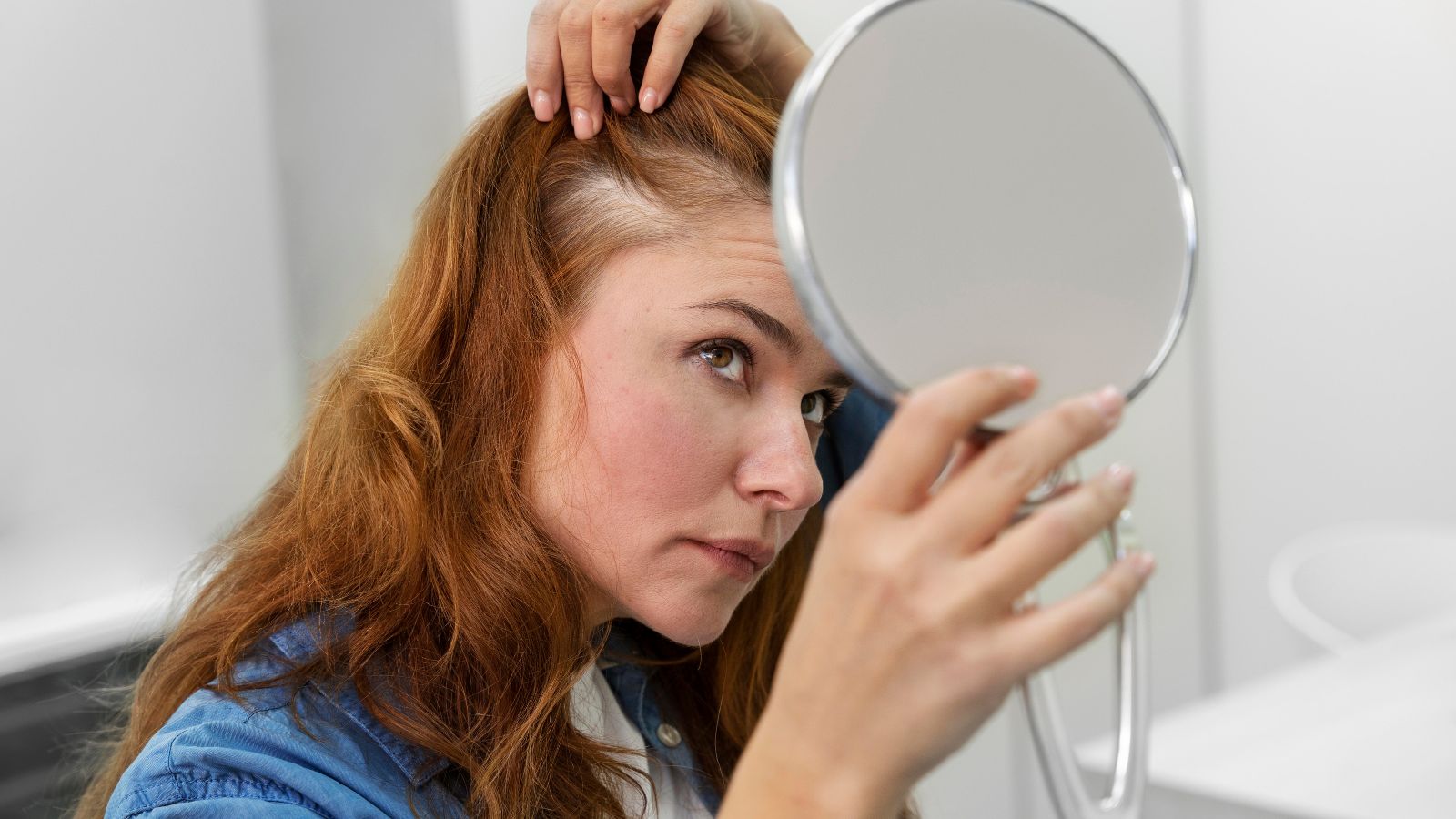
- A part that looks wider under certain lighting
- Styles that fall flat faster than they used to
- Hair that feels finer or less cooperative
- Volume that disappears by the end of the day
The Ponytail Test For Loss of Volume
One of the earliest clues is the ponytail.
You wrap the elastic one more time than you used to. The grip feels smaller. There’s less resistance when you pull it tight. This is often an early sign of hair thinning, even before noticeable shedding happens.
It’s not dramatic hair shedding. It’s a quiet reduction in density that sneaks up on you and be a sign of menopause-related hair loss.
The Part That Keeps Getting Wider
Lighting can suddenly feel less forgiving. In some mirrors your part looks the same as it always has, while in others it appears slightly wider than you remember. This often happens because certain areas of the scalp respond more noticeably to hormonal shifts, especially during perimenopause and menopausal changes.
Each hair follicle reacts differently. Some slow down. Some produce finer strands. Over time, that uneven response creates visible gaps where fullness used to live.
Texture Changes Before Hair Loss Feels “Real”
Another early sign isn’t loss—it’s hair follicle texture.
Menopausal hair often feels softer, finer, or harder to control. Curls don’t curl the same. Straight hair doesn’t sit the same. These texture shifts often happen before women mentally label what’s happening as hair loss.
You know something has changed, but it takes time to understand exactly what your hair texture is telling you.
Why These Signs Are Easy to Dismiss
During perimenopause, life is already full, and between work, family, stress, and changes in sleep, it’s easy for hair loss or hair thinning concerns to quietly take a back seat. Many women gently hope it’s a temporary phase that will settle on its own.
But these early signs of hair loss in women matter. They’re the body’s way of signaling internal change during the menopausal transition, long before leading up to menopause, becoming part of the conversation.
And the earlier you recognize them, the more options you have. For many women, this is when perimenopause hair loss and perimenopausal hair loss quietly begin, even if it doesn’t yet feel like a serious type of hair loss.
Why Hair Thins During Perimenopause
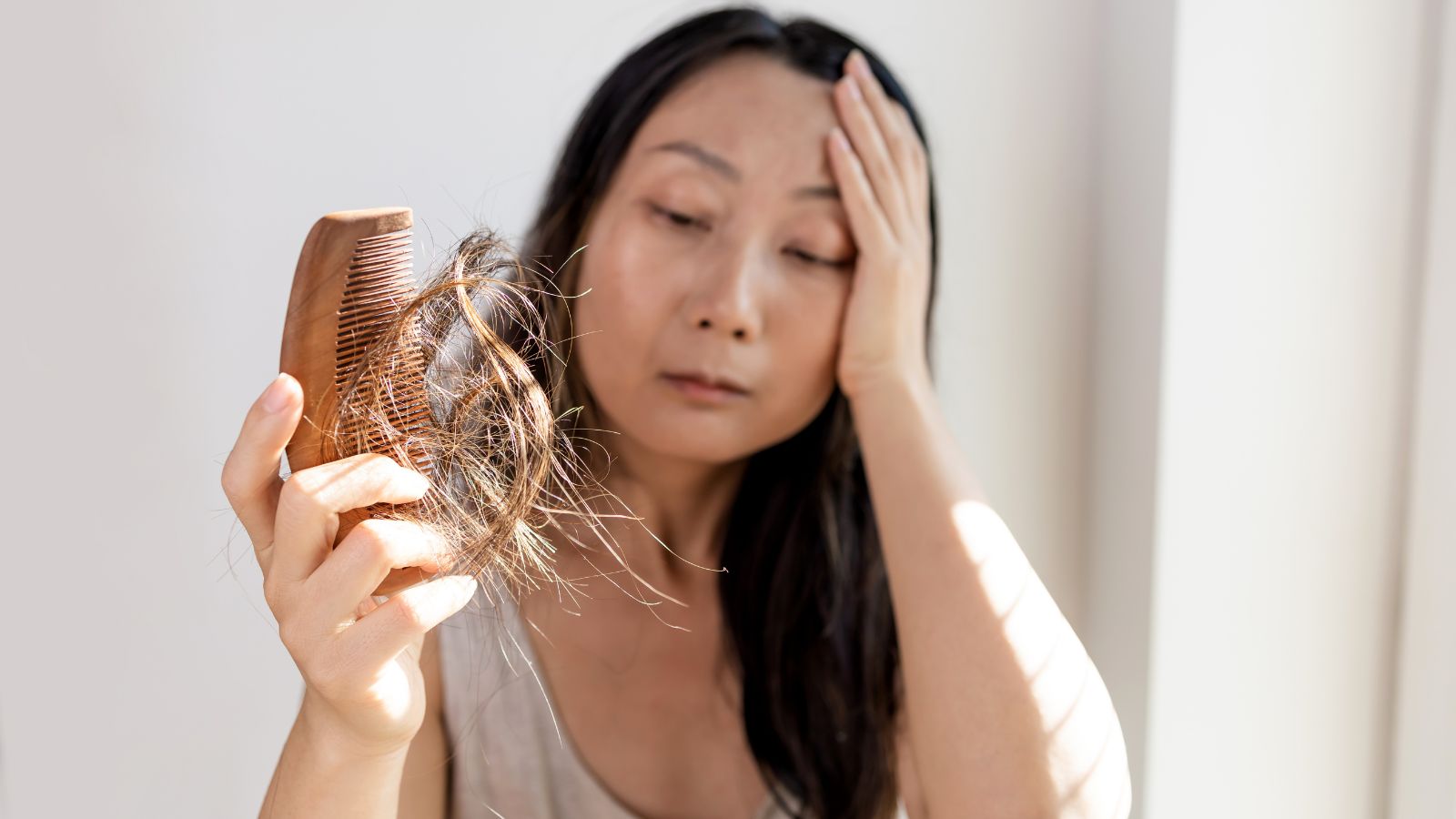
Think of your hair as something that’s always moved in a familiar rhythm. Growth, shedding, and renewal follow a pattern you’ve come to trust. During perimenopause and menopause, that rhythm can quietly shift—not stopping altogether, but changing just enough for you to notice excess hair in your brush and other signs that can make you see a difference in subtle ways.
What’s Happening Beneath the Surface
| What’s Changing | What You Notice | Why It Matters |
|---|---|---|
| Shortened growth phase | Hair doesn’t grow as long or full | Strands don’t reach the previous density |
| Slower follicle activity | Hair feels finer over time | Volume decreases without obvious shedding |
| Uneven follicle response | Thinning at the part or crown | Some areas become more visible |
| Reduced strand diameter | Hair feels softer or weaker | Styling becomes harder to maintain |
| Interrupted regrowth timing | Hair takes longer to rebound | Density loss feels gradual but persistent |
The Hair Growth Cycle Slows or Changes
Hair doesn’t grow nonstop. It follows a rhythm: grow, rest, release. During this stage of life, that rhythm gets disrupted. The growing phase shortens, which means hair doesn’t get as long or as thick before it sheds. This doesn’t always look like obvious hair loss at first—it looks like hair that never quite reaches its old potential.
Over time, repeated interruptions in the cycle lead to visible thinning, especially where density matters most for styling. This disruption affects the hair growth cycle and the natural hair cycle, altering the normal cycles of hair growth that once felt predictable.
Learn More: How To Grow Your Hair Faster
Each Hair Follicle Responds Differently
Not every hair follicle reacts the same way. Some slow down more than others. Some effects on hair follicles begin to produce finer strands than they used to. This uneven response is why thinning often shows up in specific areas—like the part or crown—rather than evenly across the head.
This is also why the change feels unpredictable. One month your hair feels manageable. The next, it doesn’t. The inconsistency is part of the process, not a failure on your part.
Hormonal Shifts Change Strand Quality
During this phase, perimenopause and menopausal hormonal fluctuations can quietly help keep hair from growing back with the same diameter. The strand is still there—it’s just finer. Enough of those finer strands together create the illusion of loss, even when shedding isn’t extreme.
This is why hair loss and hair thinning often get confused. One is about quantity. The other is about quality. During this stage, hair is typically affected by quality changes that usually come first. These shifts affect how each strand forms, leading to hair loss that may include hair thinning without completely halting growth.
What Causes Perimenopausal Hair Loss To Feel Gradual, Not Sudden
This isn’t the kind of hair loss that happens overnight. It unfolds slowly, like a photo fading rather than tearing. That gradual pace makes it harder to notice—and easier to dismiss.
But once you understand what’s happening underneath, the pattern makes sense. Your hair isn’t betraying you. It’s responding to internal changes tied to perimenopause and menopause.
And understanding that response is the first step toward managing it.
Why “Doing Nothing” Often Makes Thinning Worse
Doing nothing during perimenopause and menopause shift can feel safe and neutral, like leaving things alone won’t make them worse or keep hair loss from happening altogether. It’s a natural response when changes feel subtle or uncertain. But with hair changes, waiting often allows small shifts to continue quietly in the background before you realize how much has changed.
Waiting for It to “Go Back to Normal”
Many women assume their hair can also reset on its own. Maybe after stress eases. Maybe after the hormones settle. So they wait. Months pass. Then a year. During that time, subtle shifts continue under the surface.
The issue isn’t panic—it’s momentum. When changes are gradual, it’s easy to miss the window where simple adjustments could have made a noticeable difference instead of doing things that could be promoting hair growth.
Everyday Habits Add Invisible Stress Cause Hair Loss
Hair during this stage becomes less forgiving, whether it’s temporary hair loss or leading to permanent hair loss. The same brushing, heat styling, or tight styles that never caused problems before now add cumulative stress and can cause hair to thin. Nothing breaks dramatically. Nothing snaps in half. It’s more like bending a paperclip over and over until it weakens.
This is how density slowly disappears without an obvious moment of loss. Over time, these habits contribute to hair loss and can cause hair follicles to weaken before women realize what’s happening.
Product Overload Creates More Problems
When hair feels thinner or flatter, the instinct is to make the hair bigger and add more—more volume spray, more dry shampoo, more texture. But buildup weighs hair down and stresses the scalp, especially when strands are already more delicate.
More effort doesn’t always mean better results. Sometimes it accelerates the very issue you’re trying to fix, especially regarding increased hair loss during perimenopause and menopause.
The Emotional Loop Makes It Harder
Hair changes often happen quietly. Small frustrations can lead to more adjustments, which may increase the breakage behind hair loss and make it easy to stay in a ‘wait and see’ space. Pausing isn’t wrong, but understanding what’s changing and taking gentle steps early can help you feel confident, supported, and back in control.
Why Most Hair Solutions Fail Women in Perimenopause
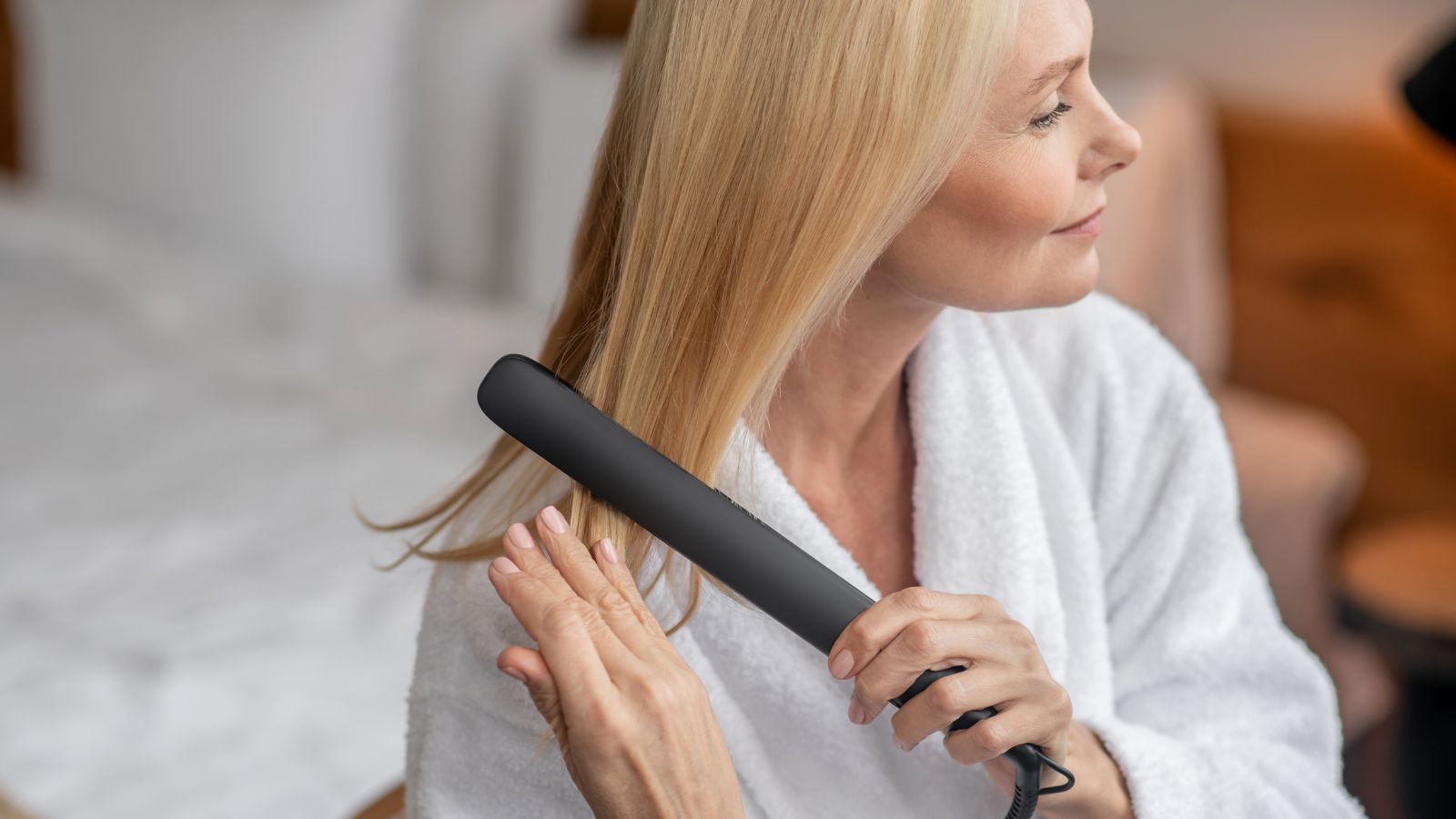
When hair starts changing, most women don’t ignore it—they try to respond. That often means adjusting products, changing routines, or trying solutions that promise quick improvement but don’t account for what the hair is actually experiencing.
That’s not a failure—it’s understandable. Many hair solutions aren’t designed for hair that’s hormonally sensitive or in transition, which can make even well-intended efforts feel ineffective or frustrating instead of supportive.
Why Common Hair Solutions Miss the Mark to Prevent Hair Loss
- They treat surface volume instead of density
- They rely on tension, adhesive, or excess weight
- They ignore hormonal sensitivity
- They require long wait times for subtle results
- They focus on styling instead of protection
Supplements Feel Hopeful, But They’re Slow
Supplements sound reassuring because they feel proactive. You’re “doing something.” But hair grows slowly, and internal changes take time to show up externally. Even when supplements help, results are subtle and gradual.
For women already feeling the emotional weight of hair loss, waiting months for a maybe result can feel discouraging.
This is especially frustrating for women trying to understand the causes of hair loss and whether a true hair loss treatment even exists for this stage..
Haircuts Can’t Repair Hair Density
Shorter cuts are often suggested, and they can definitely bring more movement and freshness to the hair. While they help with shape and how hair falls, they don’t actually change how much hair grows from the scalp or stimulate hair growth.
For women experiencing hair loss, this realization can be frustrating. You did what you were told, and the issue still feels unresolved.
The Real Problem: One-Size-Fits-All Advice to Help With Hair Loss
Most solutions fail because they ignore context. They don’t account for hormonal shifts. They don’t adjust for sensitivity. They don’t respect how fragile hair can become during this phase.
Women don’t need louder promises. They need smarter, gentler solutions designed for where their hair is now—not where it used to be.
What Does Help Restore the Look of Fuller Hair
The average age of menopause typically begins in your 50’s, but for perimenopause, it can show up in your mid 40’s or even sooner. This is when hair starts changing as hormones play a role in hair growth, volume, and texture. The goal isn’t to fight it. It’s to work with it.
Think of this stage as a thoughtful refresh rather than a rebuild. You’re not starting from scratch—you’re strengthening what’s already there and making choices that help support your hair moving forward.
The goal is fuller hair that still feels like your own, supported by habits that protect hair health and encourage long-term confidence.
Supporting Scalp and Hair Health
At this stage, hair benefits most from less friction, not more force. Gentle routines matter more than aggressive treatments. That means fewer harsh chemicals, less tension, and more respect for how fragile strands can become.
Healthy-looking hair often starts with protecting the growth that’s already happening, instead of trying to force new results overnight. This includes gentle hair care routines that support healthy hair, protect healthy hair follicles, and encourage healthy hair growth.
Reducing Tension and Mechanical Damage
Breakage and thinning of hair often get confused. Hair can look sparse simply because it’s breaking faster than it grows. Reducing mechanical stress—tight styles, heavy heat, constant pulling—can make a noticeable difference in how full hair looks over time.
Sometimes fullness returns not because more hair grows, but because less hair is lost to damage.
Creating the Appearance of Density
Here’s something that’s reassuring to know: fullness is often about what the eye sees. Thoughtful cutting, intentional placement, and balanced weight can make hair look noticeably fuller without adding stress or strain. When hair is shaped with care, it naturally appears denser, healthier, and more vibrant.
This is where a personalized, thoughtful approach with the right salon and stylist truly makes a difference.
Choosing Non-Damaging Approaches
Not every solution suits hormonally sensitive hair, and what works now often needs to feel lighter, gentler, and more intentional than what worked before. The most effective approaches don’t overwhelm the hair—they support it, focusing on comfort, scalp health, and long-term confidence rather than quick fixes.
Creating the look of fuller hair isn’t about doing more. It’s about doing what’s right, consistently, and allowing your hair to work with you instead of against you as you allow your hair to grow in a healthy way with the best care.
Why Natural Beaded Rows® Works for Thinning Hair
When hair feels fragile, the solution can’t be heavy-handed. It has to respect what’s already there.
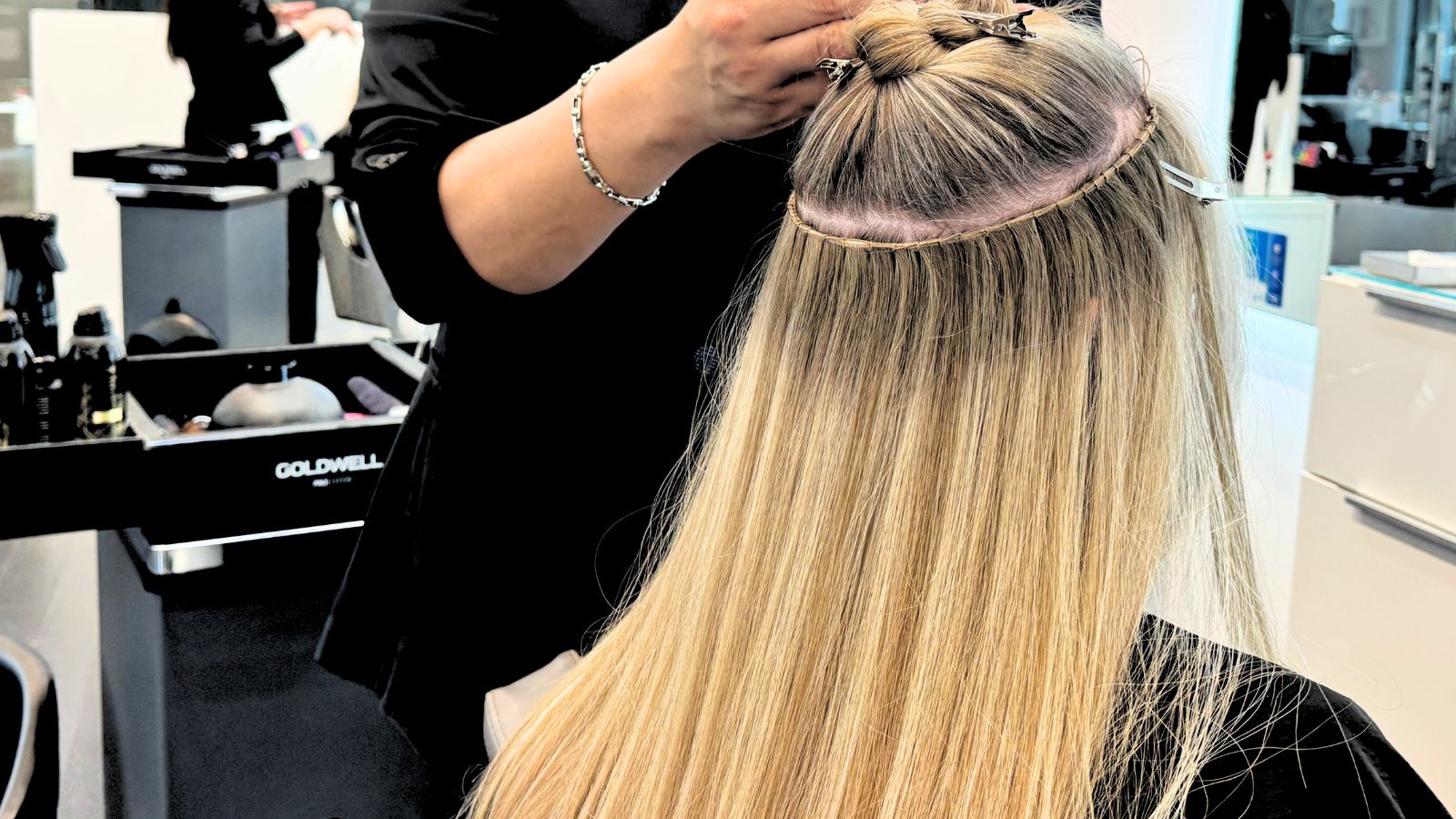
Natural Beaded Rows® works because it’s built around distribution, not tension. Instead of relying on glue, tape, or heat, the weight of the hair is spread evenly across the head. That matters more than most people realize. When hair is already sensitive, concentrated stress in one area can quietly make things worse. This matters for women dealing with female pattern hair loss, a common type of hair loss that often becomes more noticeable during hormonal shifts.
This approach can make hair loss less noticeable while still allowing natural hair regrowth and the appearance of new hair over time.
This method treats each hair follicle like something worth protecting, not something to work around. There’s no yanking. No sealing. No shortcuts that trade short-term fullness for long-term damage.
One reason this approach works so beautifully is customization. Hair loss often isn’t the same everywhere—some areas need gentle coverage, while others benefit from movement—and precise placement from Natural Beaded Rows allows fullness to be added where it’s visually needed without stressing delicate areas. The result feels supportive rather than heavy, restoring balance without overwhelming the hair.
Comfort matters just as much for women experiencing ongoing hair loss. When done correctly, extensions shouldn’t feel tight or noticeable—they blend seamlessly into daily life and work alongside your natural hair, enhancing what’s already there while restoring the look of fullness and ease.
Learn More: Why Choose NBR Hair Extensions? Top Benefits for Your Different Hair Types

How We Approach Thinning Hair at Trademark Salon
At Trademark Salon, we don’t treat thinning hair like a checkbox problem. We treat it like a conversation.
Most clients don’t walk in saying, “I’m losing my hair.” They say things like, “My hair just doesn’t feel the same,” or “Something’s off, but I can’t explain it.” That’s where we start—not with assumptions, but with listening.
We work with women with hair loss problems who are often experiencing menopausal hair loss and are unsure what’s happening behind the scenes.
Houston’s climate plays a role, too. Heat, humidity, and constant styling stress can amplify changes that are already happening internally. What works in a dry climate doesn’t always work here, and we take that into account when recommending anything. Changes that occur during menopause can be amplified by environment, stress, and lifestyle, especially during the period of menopause.
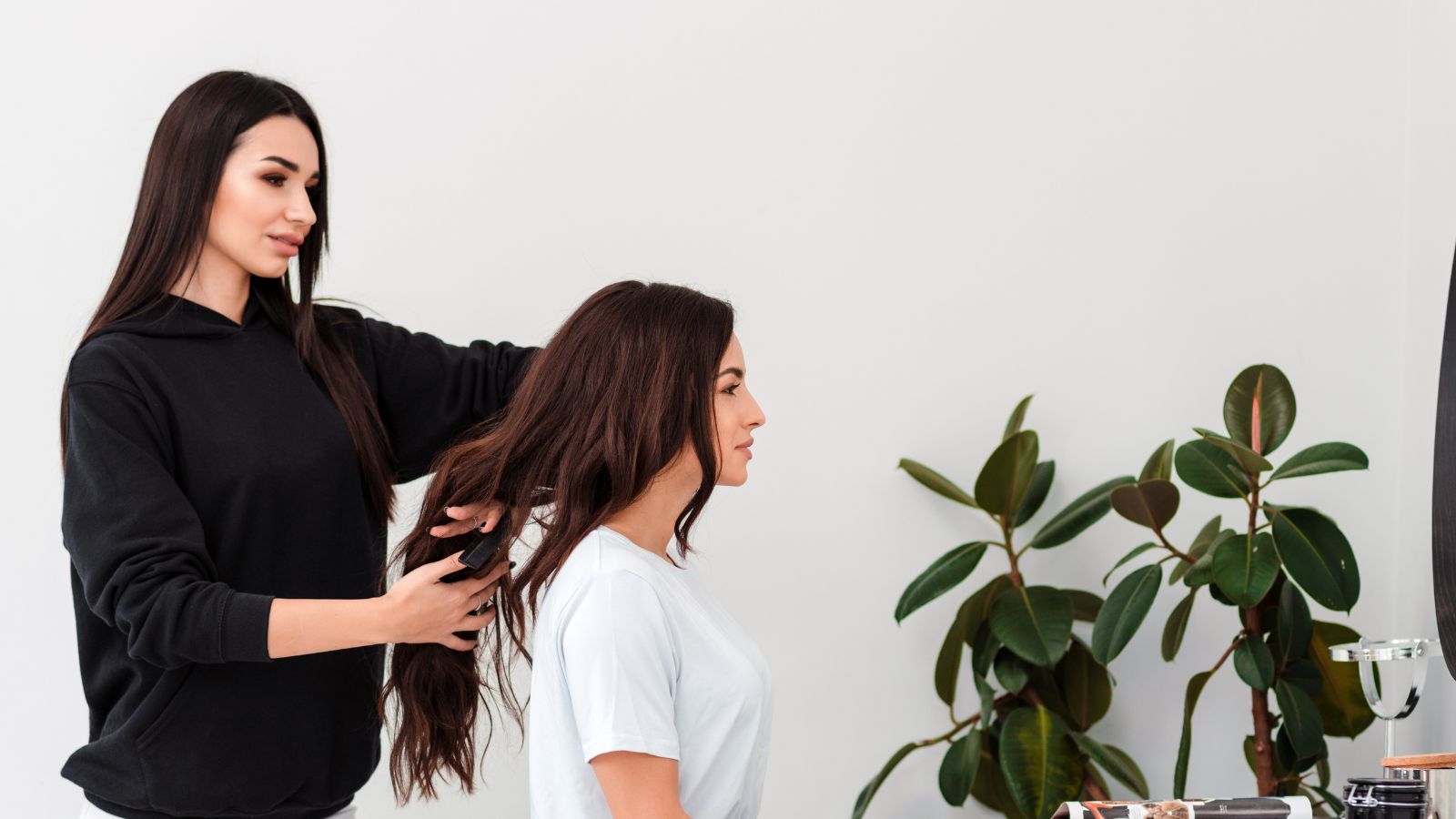
Our approach is consultation-first. We take time to understand where thinning shows up, how your hair behaves day to day, and what feels comfortable for you—without rushing or pressure to fix everything at once.
We’re honest and thoughtful in every recommendation, adjusting when a lighter or more supportive approach is needed. Our focus is on protecting what you already have, so your hair feels manageable again, and confidence replaces worry.
When to Book a Consultation (And What to Expect)
Most women don’t book a consultation because everything feels urgent. They book because they’re tired of guessing.
If you’ve noticed ongoing changes—less fullness, harder styling days, or hair that just doesn’t respond the way it used to—that’s usually the right moment. Not because something is “wrong,” but because clarity helps replace uncertainty.
A consultation isn’t about committing to anything. It’s about understanding what’s happening and what your options actually are, and perimenopause is the time to feel more like you with your hair and an added boost of confidence.
What We Look At First
We start by looking at patterns, not problems. Where changes are showing up. How long have they been happening? What feels frustrating versus what feels manageable. This helps separate temporary shifts from longer-term changes. In rare cases, we recommend tests to diagnose the cause and help diagnose the cause of menopausal-related concerns.
What You’ll Talk Through
We’ll walk through your daily routine, comfort level, and goals. Not just how you want your hair to look, but how you want it to feel—lighter, fuller, easier, more familiar. These details matter more than trends.
What You’ll Leave With
You leave with information, not pressure. A clearer picture of what’s happening with your hair loss and may need to be adjusted for your new hair journey in the future. A better understanding of what will help—and what won’t. And a sense of direction, even if you decide to take your time.
Sometimes the biggest relief comes from finally knowing you’re not imagining it—and that there is a thoughtful way forward.

Final Thoughts — You Have More Options Than You Think For Perimenopausal Hair Loss
Hair changes can feel personal in a way that’s hard to explain. It’s not just about how you look—it’s about how you recognize yourself. When that shifts, even slightly, it can feel unsettling.
But here’s the part that often gets lost: change doesn’t mean loss of control.
Hair doesn’t have to go back to exactly what it was to feel good again. It just has to feel manageable. Familiar. Supported. When you understand what’s happening and respond with the right approach, confidence tends to follow.
There are more options than waiting it out. More options than forcing solutions that don’t fit. And more options than quietly accepting frustration as the new normal.
The goal isn’t perfection. It’s comfort. It’s looking in the mirror and feeling like yourself—maybe a little wiser, maybe a little different, but still grounded.
This experience is shared by many women with hair, including postmenopausal women navigating hair loss in postmenopausal women and pattern hair loss in postmenopausal stages.
And that’s not something you have to figure out alone.
Frequently Asked Questions
Why does hair change during perimenopause and menopause?
Hormonal shifts can shorten growth phases and produce finer strands, reducing visible density over time.
Is thinning hair during menopausal hair loss permanent?
Not always. Many changes are manageable with early awareness, gentle care, and supportive solutions.
How is hair thinning different from hair shedding?
Shedding affects quantity, while thinning affects strand diameter and overall density appearance.
Can salon solutions help with hormonally sensitive hair?
Yes. Non-damaging, customized approaches can restore fullness without stressing fragile hair. Natural Beaded Rows are a popular choice to add volume and length for perimenopause and menopausal hair changes.
When should I seek professional guidance for hair changes?
If changes persist, worsen, or affect confidence, a consultation can clarify options early.