

 August 13, 2025 | Hair Color
How Lighting Affects Hair Color Perception
Ever felt like your hair color looks great in the salon but changes outside? It’s not just your mind playing tricks.
Lighting really changes how we see hair color. Different glows show different tones and undertones. For example, a perfect blonde might look brassy under certain lights.
At Trademark Salon in Houston, Texas, our stylists know color perception is more than just dye. Things like light, time of day, and environment affect how your color looks.
Knowing these factors helps you choose better for your next salon visit. It’s why pros consider lighting when picking your color.
Key Takeaways
- Illumination sources dramatically change how hair color appears to the human eye
- Salon lighting often differs significantly from natural daylight and home environments
- Professional stylists factor in various lighting conditions when formulating colors
- Understanding light temperature helps explain why your shade looks different throughout the day
- Color perception involves both environmental factors and individual visual processing
- Consulting with experienced colorists ensures better results across different lighting environments
The Science of Light and Color
When light hits your hair, a complex process determines what colors you see and how colors are perceived. This process links physics and perception. It’s why your hair looks different under different lights throughout the day. It’s also why lighting plays a crucial role on how we feel about our hair.
Color is a reflection of light. Your hair doesn’t have color like paint does. Instead, it absorbs and reflects light that your brain sees as color. So, your hair’s look changes with the light source.
Learn More: The Science Behind Hair Coloring: What Happens During the Process?
How Light Interacts With Hair Pigment
Your hair has natural pigments called melanin. These come in two types: eumelanin and pheomelanin. When white light hits, these pigments absorb and reflect light.
Eumelanin absorbs most light, making your hair darker. Pheomelanin reflects red and yellow, making it warmer. The colors you see depend on what light your hair reflects.
Artificial hair color adds synthetic pigments. These interact with light in unique ways. That’s why colored hair changes color more than natural hair.
Color Theory Basics for Hair
Color theory helps understand your hair’s changing look. Colors have hue, saturation, and brightness. Hue is the color itself, and saturation is how intense it is.
Color temperature is key. Natural light is cool, while artificial light is warm. This affects how you see color.
Complementary colors also play a part. Warm colors make your hair look cooler. Your brain compares colors, creating these effects.
The Role of the Human Eye
Your eyes don’t just receive light; they adapt to it. This process, chromatic adaptation, adjusts color perception. It’s why your hair looks different in different lights.
The interaction of light and perception adds complexity. People often see their hair as cooler than it is. This is because their brain expects certain colors.
Your eyes process color differently based on fatigue, age, and mood. This is why your hair color can look different on different days, even with the same light.
Types of Lighting and Their Effects on Hair Color
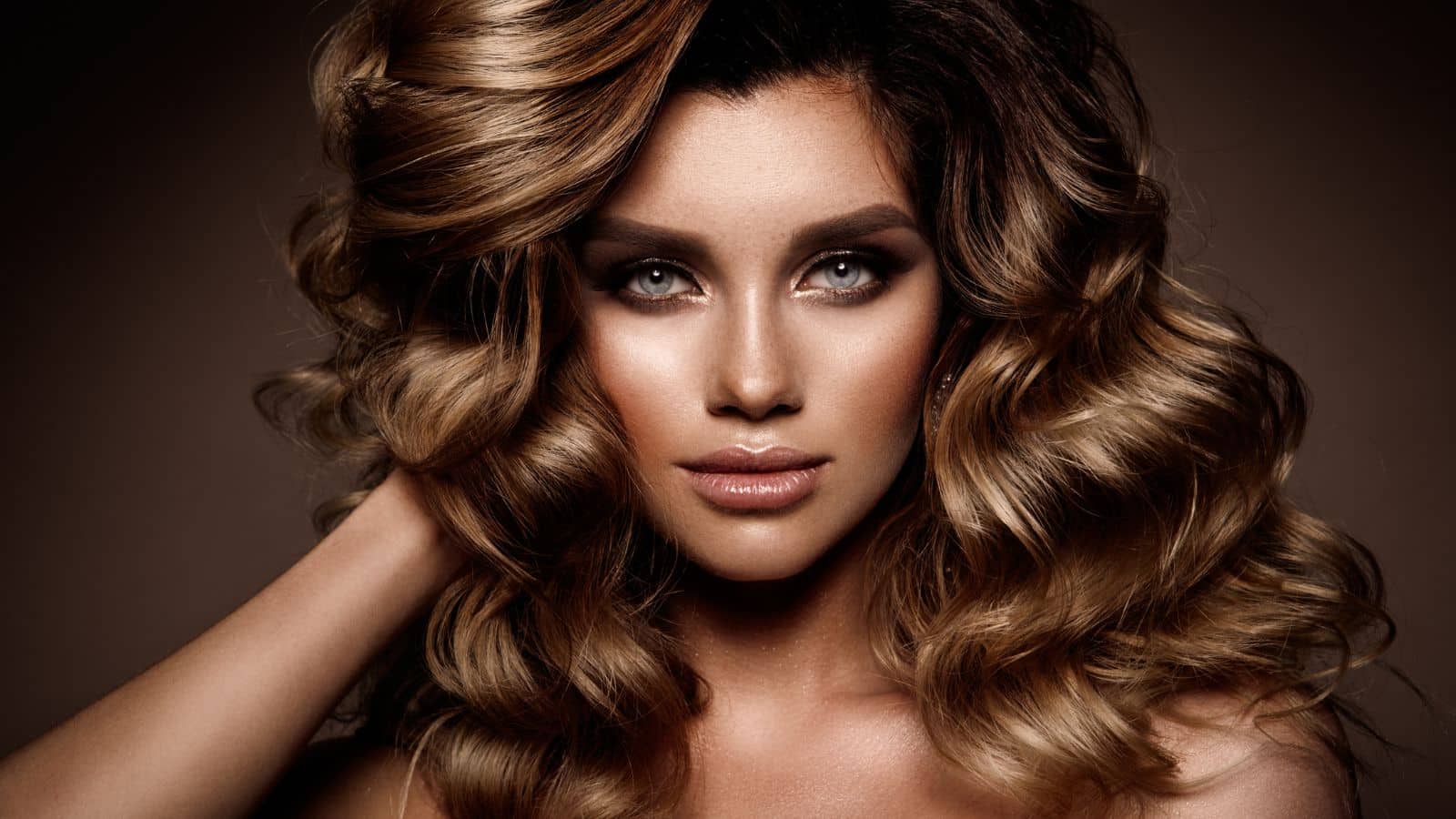
Every lighting environment has its own effects on hair color. Knowing how different lights change your look helps you choose the right hair color. The lighting in your home, office, or outdoors can make your hair look different in each place.
Both hair professionals and everyday people need to understand these differences. Your hair might look great at the salon but not at home or work. This is because each light source has its own color and brightness that affects your hair’s color in unique ways.
Natural Daylight
Natural light is the best for seeing your hair’s true color. It has all the colors of the spectrum, giving you the most accurate view of your hair’s tones. Sunlight shows both warm and cool undertones clearly without distorting them.
Colorists always suggest checking your hair color in natural light before deciding. The best time is during midday when the window light is most balanced. But, natural light changes throughout the day, so timing is key when checking your hair’s look.
Incandescent Lighting
Incandescent bulbs give off warm, yellowish light that changes how you see hair color. This light makes golden and red tones look better but can make cool or ashy colors seem dull. Blonde highlights might look brassy, and platinum shades can seem yellow under these conditions.
Many homes use incandescent lighting in living areas and bedrooms. If you spend a lot of time in these places, think about how this warm light will affect your hair’s look. Incandescent lighting can make brown hair look richer but might not be flattering for cooler hair colors.
Fluorescent Lighting
Fluorescent lighting, common in offices and stores, casts harsh, cool light. This light can make warm colors look flat and bring out unwanted green or gray tones in your hair. Red and auburn shades often look dull and lifeless under these bulbs.
Many people notice their hair looks different at work compared to home because of fluorescent lighting. These lights can make freshly colored hair appear faded or off-tone. Some newer fluorescent options are better, but traditional tubes are often a problem for accurate hair color assessment.
LED Lighting
LED lighting offers flexibility because you can adjust its color temperature. Quality LED lights can mimic natural daylight or provide warm, cozy illumination. This makes them great for places where you often check your appearance.
But, cheaper LED lighting can give flat, unflattering light that doesn’t show your hair’s depth and richness. Investing in high-quality LED bulbs with good color rendering indices ensures better hair color representation. Many professional salons now use adjustable LED systems for accurate color matching.
| Lighting Type | Color Temperature | Best Hair Colors | Potential Issues | Common Locations |
| Natural Daylight | 5000-6500K | All colors (most accurate) | Changes throughout day | Outdoors, near windows |
| Incandescent | 2700-3000K | Warm tones, reds, golds | Makes cool colors muddy | Homes, restaurants |
| Fluorescent | 4000-5000K | Cool tones, ash colors | Flattens warm colors | Offices, stores |
| LED | 2700-6500K (adjustable) | Depends on settings | Quality varies by brand | Modern homes, salons |
Knowing about these lighting differences helps you predict how your hair will look in different places. When picking a new hair color, think about the lighting where you spend most of your time. This way, you’ll be happy with your color choice in your daily life.
Lighting Environment Conditions on How Your Hair Looks
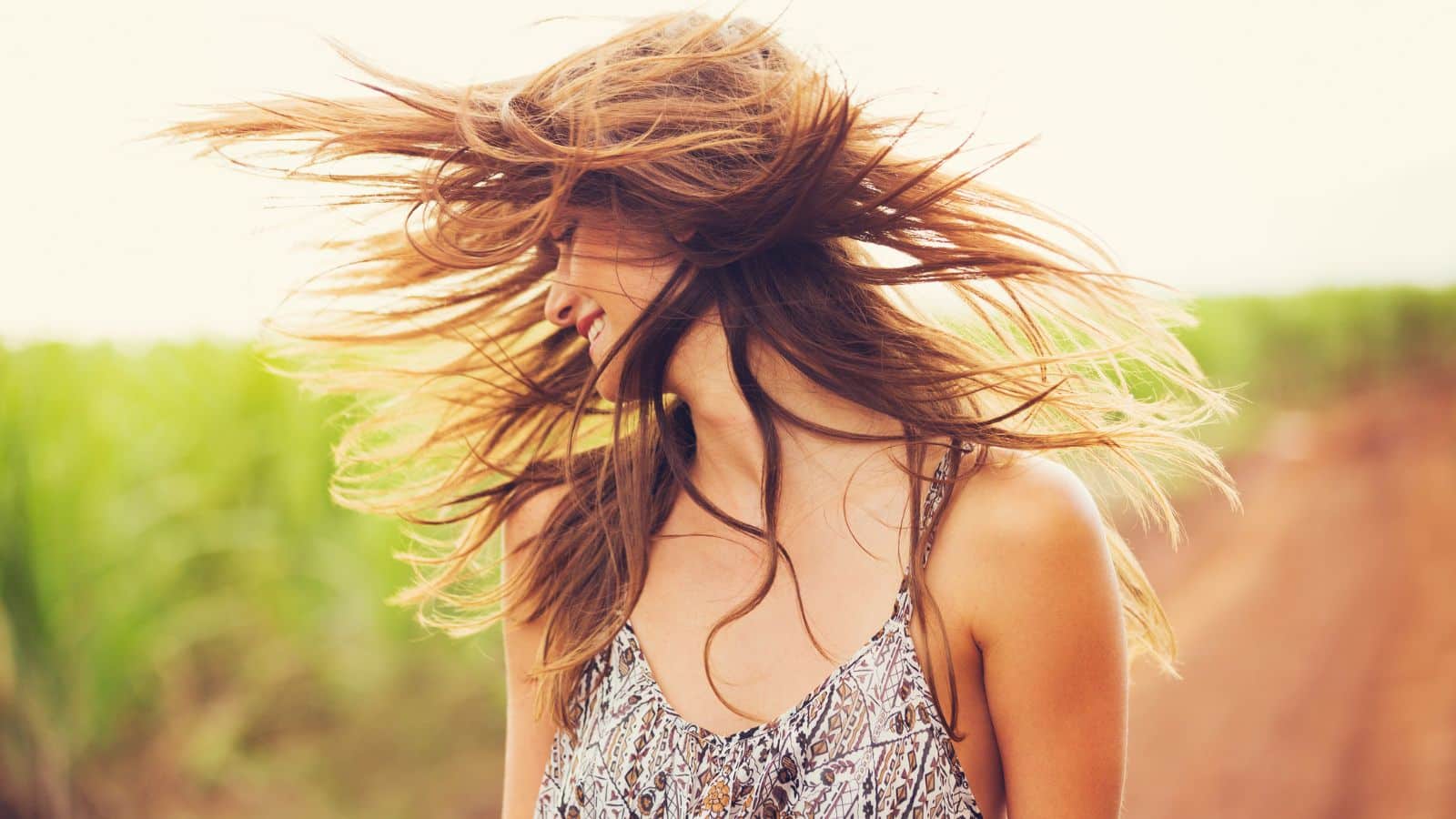
Your surroundings greatly affect how you see your hair color. Different lighting conditions and environmental elements play a big role. This is why your hair looks different at different times and places.
Time of Day
When you check your hair color matters a lot. Morning light is warmer and softer, giving your hair a golden glow. This can hide cooler tones.
Midday sun is the most accurate because it’s bright and neutral. Evening light is warmer again, but often more intense. Indoor and outdoor lighting changes a lot as natural light fades.
This is why your hair looks perfect in the morning but different under office lights at noon.
Weather Conditions
Weather affects hair color perception more than you think. Overcast skies make colors appear muted or dull. Sunny days make colors pop and reveal undertones.
Rainy or cloudy days can make warm tones look cooler. This is why consistent lighting is important for accurate color assessment.
Background & Surroundings
Your surroundings act like a color filter for your hair. Blue or violet-toned walls reflect cool hues, neutralizing warmth. White capes and chrome surfaces bounce light that affects color perception.
Standing next to brightly colored walls can cast that color onto your hair. Neutral backgrounds give the most accurate view of your hair color. This is why professional lighting setups use neutral colors.
Angle & Distance of Light Source
The position of your light source changes everything. Overhead lighting creates shadows that hide your hair’s true color. Side lighting reveals dimension and highlights.
Distance is also important. Lighting may appear harsh when too close, washing out color variations. Too far away, and you lose detail. The best spot is arm’s length away with light coming from slightly above and to the side.

Professional Strategies for Accurate Color Representation
The best hair colorists use proven strategies to make sure your new color looks great everywhere. They know it’s not just about mixing formulas. They need advanced lighting and techniques to ensure you love your color.
Places like Trademark Salon in Houston, Texas (832-717-3422) have mastered these strategies. They understand that the difference between good and great hair color comes down to lighting.
Creating the Perfect Salon Setup
Good salon lighting combines three types: ambient, task, and accent. Ambient lighting brightens the room without shadows. Task lighting focuses on where colorists work. Accent lighting adds a welcoming feel and helps with color accuracy.
The best lighting uses bulbs with a high color rendering index of 90 or above. These bulbs show true colors without the distortion of standard lights. This quality lighting lets stylists see your hair color accurately at every step.
Salons position their lighting carefully. Overhead lights provide general light, while adjustable task lights at stations help stylists see details. This setup ensures your stylist can see how your hair colors look in different lights.
Testing Colors Under Various Lighting Conditions
Smart colorists show you colors under different lights during consultations. They start with salon lighting, then move to other areas. Sometimes, they even show you colors outside in natural daylight.
This approach prevents surprises when you get home. Your colorist might use a handheld lamp to show you how your color will look outside. They know lighting changes how hair colors appear throughout the day.
Professional consultations involve viewing color samples against your skin tone under various conditions. This helps avoid misreads and ensures your color complements your complexion in any light.
Capturing Colors for Social Media
Today’s salons know you’ll judge your hair color by photos. Professional colorists use specific setups for accurate color representation in photos. They know lighting can change how colors appear in photos versus real life.
Many salons have photo areas with controlled lighting for social media. These areas use color-corrected LED panels to ensure your hair color looks the same on different devices. The right lighting means your Instagram photos will match your real hair color.
Some stylists take test photos during your appointment to show you how your color will look in photos. This extra step helps manage your expectations and ensures you’ll love your social media posts.
Professional Color-Correcting Tools
Advanced salons use special equipment for color accuracy. Daylight simulation lamps provide neutral lighting that shows true colors. These tools help stylists make precise adjustments during styling and color processing.
Professional-grade systems eliminate guesswork in coloring. High-end salons use spectrophotometers and other tools to measure color accuracy under different lights. This scientific approach ensures consistent results every time.
Color-correcting filters and viewing booths let stylists preview your hair color under various lights. These tools mean you can trust that your new color will look amazing anywhere.
Summary – The Lighting-Color Connection For Hair Color Results
You now know how different lights can change how your hair color looks. Seeing the same color look different under different lights shows how light and hair pigments interact.
This knowledge is key when picking a new wig color or matching existing ones. The color you see can change with lighting, making what looks great in one spot not so good in another. With so many color options, it’s important to think about how light affects hair color.
Getting the right color is more than just chemistry. It’s about how hair reacts to its surroundings. Hair color experts at Trademark Salon in Houston, Texas, know this. They use various lights to show how colors can change in different places.
At Trademark Salon, they help clients understand how lighting impacts hair color. They make sure your new look looks great, whether you’re indoors or outside.
Colors might not always look as expected, but knowing about lighting helps you make better choices. It sets realistic goals for your hair color journey.
If you’re looking for guidance on your hair color journey, book an appointment with our specialists today!
Frequently Asked Questions
Why does my hair color look different in my bathroom versus at work?
Hair color looks different because of lighting. Your bathroom has warm bulbs that make golden tones pop. But, office lights are cool and harsh, making warm colors look dull. It’s not just your imagination; it’s how light affects hair pigment.
What type of lighting shows the most accurate hair color?
Natural daylight is best for seeing hair color. It has all the light wavelengths. Salons use special bulbs that mimic natural light for the most accurate view.
How do different light bulbs affect my hair color appearance?
Light bulbs change how hair color looks. Incandescent bulbs make golden tones brighter but cool colors look muddy. Fluorescent lights are harsh and cool, making warm colors dull. LED lights can be adjusted but cheaper ones might not show your hair’s true color.
Why does my hair color look different throughout the day?
Hair color changes with the day’s light. Morning and evening light is warmer, making golden tones stand out. Midday light is cooler and brighter. Weather also affects light, making colors look different.
How do professional hair salons ensure accurate color representation?
Salons use various lights for color consultations. They have ambient, task, and accent lighting. They also check colors outside and use special lamps for accuracy.
Does the background around me affect how my hair color looks?
Yes, your surroundings change how hair color looks. Bright colors near you can affect your hair’s appearance. Neutral backgrounds show colors most accurately.
Why do my highlights look different at home than they did in the salon?
Salon lighting is designed for color accuracy. Home lighting is different, affecting highlight appearance. Salons show colors under various lights during consultations.
How does the angle of light affect my hair color appearance?
Light angle and distance change hair color perception. Overhead lighting hides true color, while side lighting reveals it. Task lighting impacts color, so salons use specific lighting setups.
What should I consider when choosing a new wig color under different lighting conditions?
Consider how lighting changes wig color appearance. The same color looks different under various lights. Always view wig colors under different lights before deciding.
How can I take better photos of my hair color?
Use natural light or LED lights with adjustable color for accurate photos. Avoid harsh or dim lighting. Salons use special lighting for social media photos.
What is color temperature and how does it affect my hair?
Color temperature is the warmth or coolness of light. Warm light enhances golden tones, while cool light makes them look different. Knowing color temperature helps predict how hair color appears under different lights.
Why does my hair color look muddy under certain lights?
Hair colors look muddy when lighting doesn’t match hair pigments. Warm lighting can make cool colors muddy, while cool lighting can flatten warm ones. It’s how light interacts with hair pigments.