
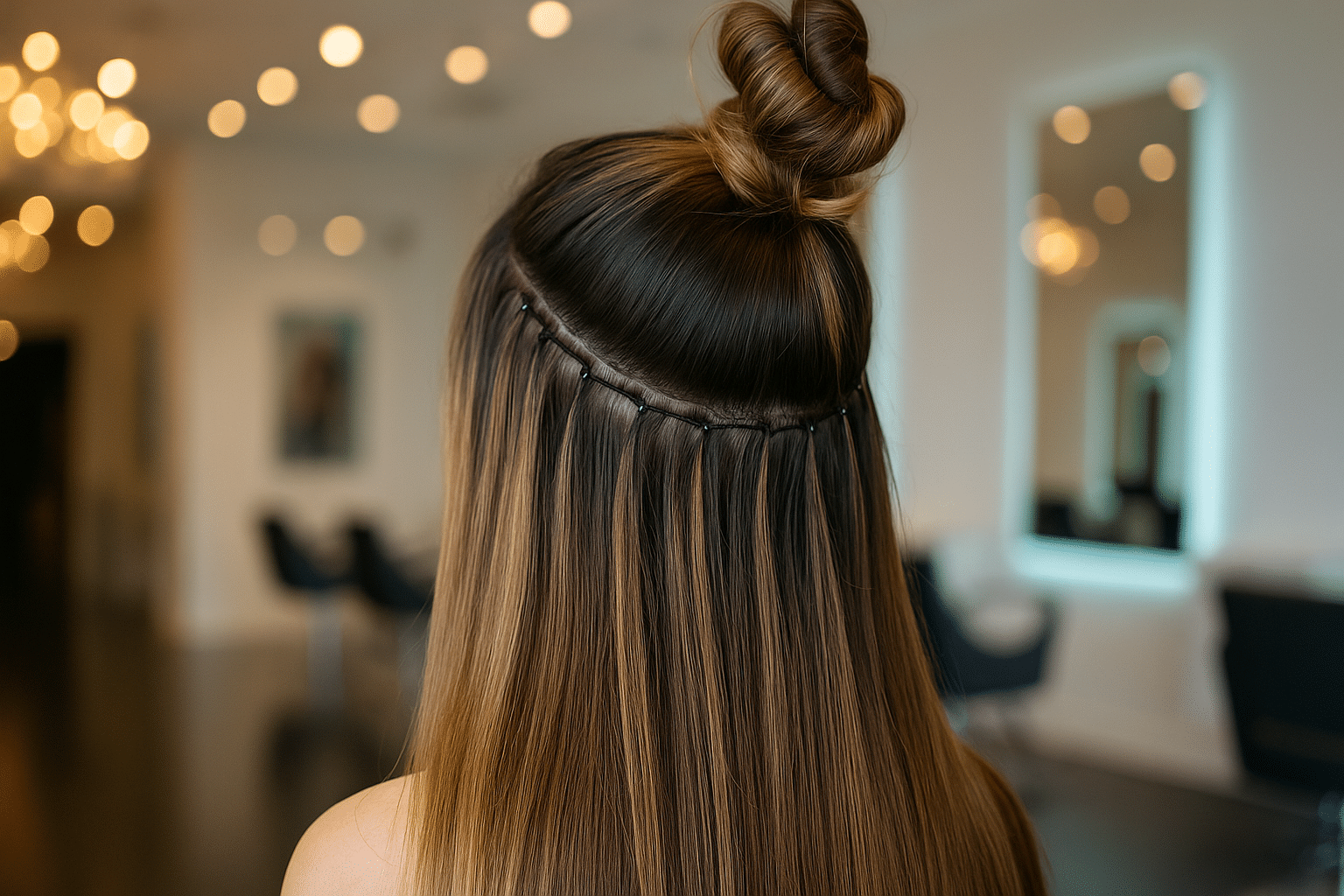
 August 8, 2025 | Natural Beaded Rows
Choosing the right hair extension shade is more than just picking a color. Your natural hair has hidden colors that can greatly affect how well the extensions blend.
These hidden color notes are key to a seamless blend. When you choose the Natural Beaded Row extension method, knowing these tones is essential for beautiful results.
At top salons like Trademark Salon in Houston, experts use various weft colors tailored for the perfect match. They carefully place different shades to achieve that seamless look you desire.
The success of blending hair extensions with your natural hair depends on undertones. Warm and cool tones in your hair need careful matching during the process.
This guide will teach you about color principles for your salon visit. You’ll discover what makes some blends look perfect while others don’t.
Key Takeaways
- Hidden color tones in your natural hair determine extension blending success
- Professional colorists use multiple weft shades for seamless results
- Warm and cool tone matching requires expert placement techniques
- Strategic color placement creates natural-looking length and volume
- Understanding color theory helps achieve flawless salon results
Introduction to Undertones in Hair Color
At Trademark Salon in Houston, we know that mastering undertones is key to perfect extensions. Undertones are the hidden pigments left after coloring or lightening. They greatly affect how extensions look with your natural hair. Knowing about color theory is essential for the best results.
Your hair’s color is like a complex system. It has many layers of pigment that mix to create your shade. Understanding these layers is key to matching extensions perfectly.
What Are Hair Undertones?
Hair undertones are the subtle colors hidden beneath your main color. While your main color is easy to see, undertones need a trained eye to spot.
These hidden pigments fall into three main types:
- Warm undertones: Golden, orange, or red hues that add richness
- Cool undertones: Ash, blue, or violet tones that create depth
- Neutral undertones: Balanced combinations without dominant warm or cool elements
Your hair type and skin tone often show certain undertones more. Blonde hair shows undertones more clearly than darker shades, making it easier to match extensions.
Why Undertones Matter for NBR Hair Extensions
Undertones are key to whether your extensions blend in or stand out. If undertones don’t match, even perfect overtones will look fake.
Here are some important points:
- Light reflection changes throughout the day, making undertone mismatches more apparent
- Different hair textures can emphasize undertone differences
- Your overall look depends on harmonious color blending from roots to ends
Colored hair is harder to work with because processing can change undertones. Previous colors create new undertone combinations that need to be considered when choosing extensions.
Undertones vs. Overtones
It’s important to know the difference between undertones and overtones for NBR success. Overtones are your hair’s main, visible color – like brown, blonde, or red.
Undertones are the secondary colors that affect how your main color looks under different lights. Natural hair color has both, adding depth and dimension.
Here’s how they work together:
- Overtones provide the base color foundation
- Undertones add complexity and richness
- Together, they create your unique hair color signature
When picking NBR extensions, matching both undertones and overtones is key. This ensures your extensions look and move like your natural hair. This attention to detail makes the difference between professional and obvious extension work.
The Science Behind Undertones
Hair color science is more than just what you see. It involves complex pigment interactions that affect how well extensions blend. Knowing these scientific principles helps explain why some extensions blend seamlessly while others look unnatural.
At Trademark Salon in Houston, our stylists use advanced color theory. They ensure perfect undertone matching for every NBR installation. This approach turns good extension work into exceptional, seamless results.
How Natural Hair Pigments Work
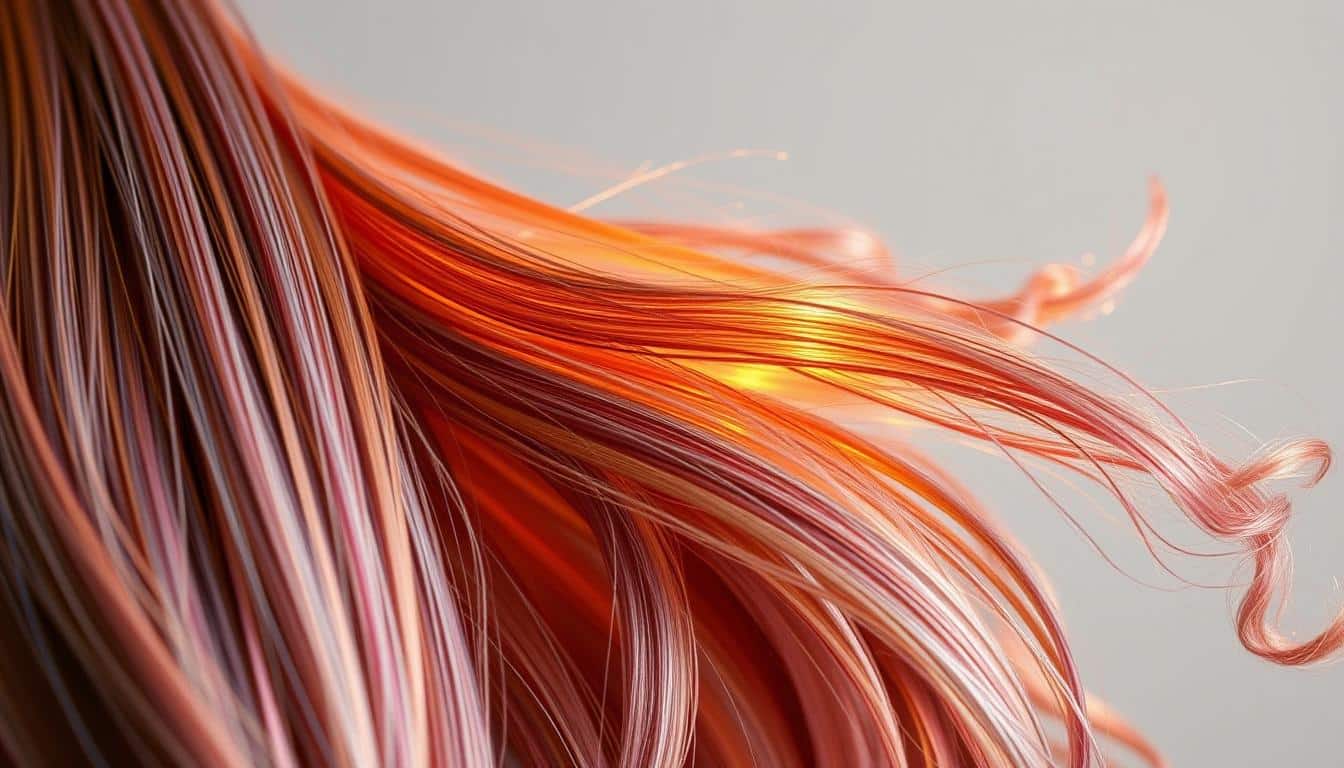
Your natural hair color comes from two main pigments. Eumelanin creates brown and black tones. Pheomelanin produces red and yellow hues.
The ratio of these pigments determines your base color and undertones. More eumelanin means darker hair with cooler undertones. More pheomelanin means warmer, lighter shades with golden or copper undertones.
This pigment distribution affects how your hand-tied extensions will blend. Extensions must match not just your surface color but also your underlying pigment structure for seamless integration.
The Color Wheel in Hair Coloring
Professional colorists use color wheel principles to create perfect matches for the best hair extensions. Opposite colors on the wheel neutralize each other, which explains common color corrections.
Purple cancels yellow tones, while green neutralizes red undertones. Orange eliminates blue. These relationships guide stylists when matching weft colors to your natural hair.
Understanding these color relationships helps stylists choose the right hand-tied weft extensions. They complement your natural undertones instead of clashing with them.
Light Reflection & Absorption
Light interaction with hair creates the undertone effect you see. When light hits your hair, certain wavelengths get absorbed while others reflect back to your eyes.
Smooth hair cuticles reflect more light, making colors appear brighter and undertones more visible. Damaged or textured hair absorbs more light, which can mask or alter undertone appearance.
This light behavior explains why your hair might look different in various lighting conditions. Professional stylists evaluate color and texture under multiple light sources to ensure accurate undertone matching.
| Pigment Type | Color Range | Undertone Effect | Extension Matching Priority |
|---|---|---|---|
| High Eumelanin | Dark brown to black | Cool, ashy tones | Neutral to cool base selection |
| Balanced Pigments | Medium brown | Neutral undertones | Versatile matching options |
| High Pheomelanin | Light brown to blonde | Warm, golden tones | Warm base with honey highlights |
| Low Total Pigment | Very light blonde | Varies with processing | Custom color matching required |
This scientific foundation guides every decision when selecting and installing hand-tied extensions. The goal is creating a style that looks naturally grown from your scalp, not added on top.
Identifying Common Hair Undertones
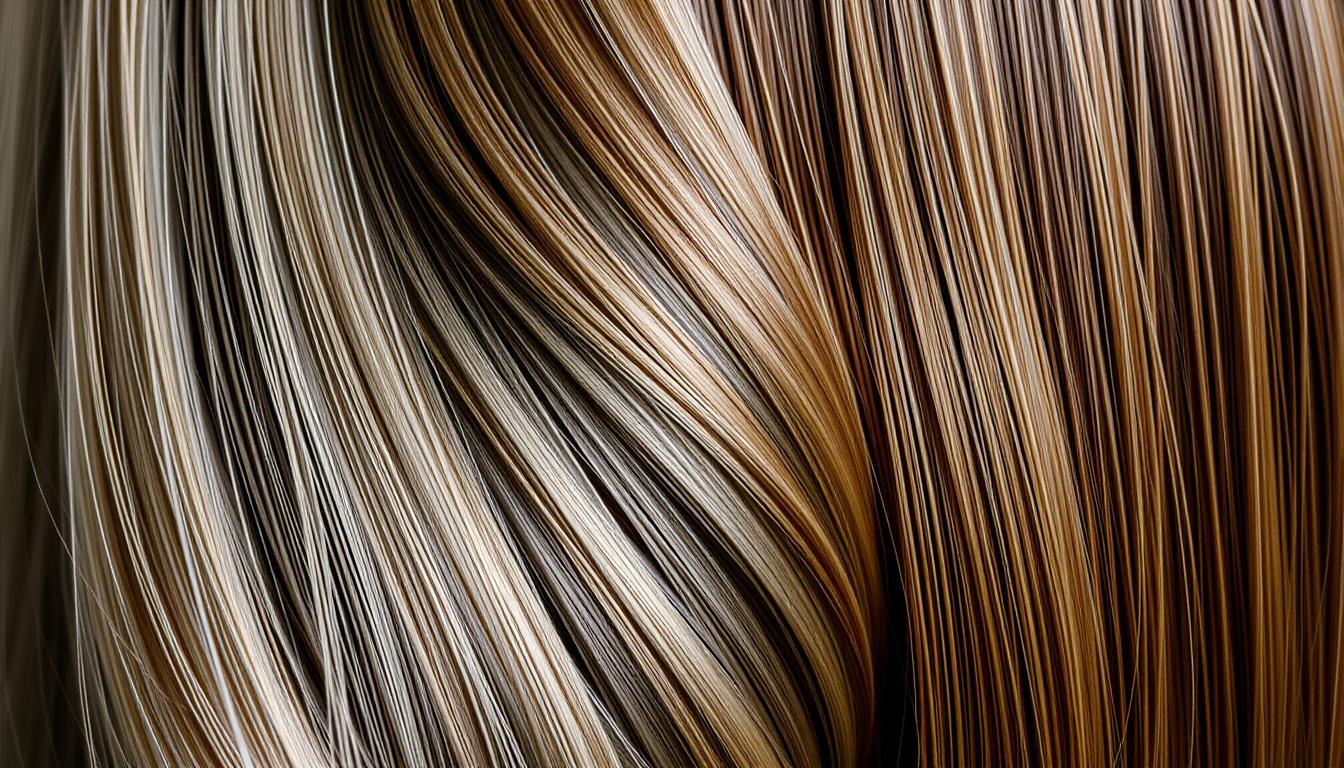
Hair undertones are the hidden colors that affect how well extensions blend with your hair. These colors are under your hair’s surface and are key to seamless extensions. Knowing your undertones is critical for extensions that look natural.
When you choose human hair extensions, understanding undertones is vital. Your hair care and how light hits it can show these tones. At Trademark Salon in Houston, stylists are skilled in finding these undertones for perfect matches.
Learn more: How To Choose The Right Hair Color For Your Skin Tone
Warm Undertones
Warm undertones are golden, honey, copper, or reddish. They remind you of autumn leaves or a sunset. If your hair looks brassy or has cozy tones, it’s warm.
Warm undertones are more noticeable after using certain shampoos or being in the sun. Extensions for warm hair need golden or copper bases for a seamless look.
Cool Undertones
Cool undertones are ash, platinum, violet, or blue. They give hair a crisp, clean look, almost silvery. Cool hair looks muted and sophisticated.
If your hair looks ashy or icy, choose extensions that match. The wrong match can make even the best extensions look off.
Neutral Undertones
Neutral undertones are a mix of warm and cool. This is the best for extension matching because it’s balanced. Your hair doesn’t lean too much toward warm or cool.
People with neutral undertones can try different extensions. But, picking the right one is key to keeping that balanced look.
How to Spot Undertones in Natural Hair
The best way to find your undertones is in natural sunlight. Hold white paper next to your hair. Warm undertones will make the paper look yellow, while cool undertones will make it blue.
Another trick is to wash your hair with clarifying shampoo. This removes buildup and shows your true undertones. Also, notice how your hair care products affect these tones.
| Undertone Type | Key Characteristics | Common Examples | Extension Matching Tips |
|---|---|---|---|
| Warm | Golden, honey, copper hues | Brassy fading, autumn-like tones | Choose extensions with golden bases |
| Cool | Ash, platinum, violet bases | Silvery appearance, icy tones | Select ashy or platinum-based extensions |
| Neutral | Balanced warm and cool mix | Neither brassy nor ashy | Multiple extension options available |
| Mixed | Different undertones throughout | Highlights with varying bases | Layer multiple weft tones |
Undertones in Colored & Processed Hair
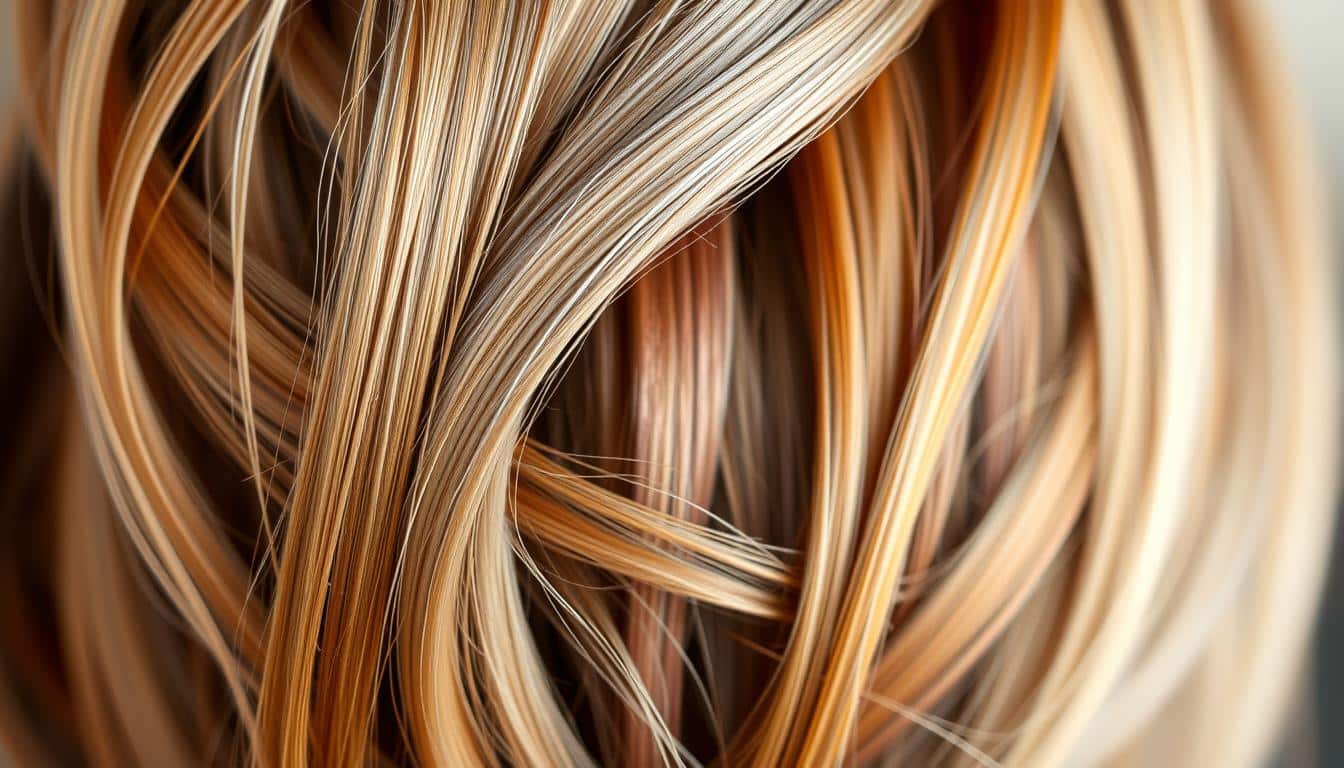
Your hair’s color history is key to finding the right NBR extension match. Color-treated hair reacts differently to undertones than virgin hair. At Trademark Salon in Houston, we’re experts in matching NBR extensions to your hair, no matter its color history.
Previous color treatments can hide or change your natural undertones. This makes it hard to pick extensions that blend well with your hair.
How Previous Color Affects Undertones
Coloring your hair before can hide your natural undertones. Each color adds pigment that changes how your hair looks. This can make your hair seem cooler or warmer than it really is.
Permanent hair color goes deep into your hair shaft. It mixes with your natural pigments, creating new undertones. Semi-permanent colors sit on the surface but also affect undertones.
Undertones After Lightening
Lightening reveals warm undertones that were hidden before. Bleaching or lightening removes pigment layers, showing yellow and orange undertones. These are the most resistant to removal.
Going blonde can surprise you with unexpected brassiness. Lightening removes cooler pigments first, leaving warm undertones. This is why getting the right blonde shade can take many sessions and careful toning.
Professional colorists know how to counteract these warm undertones. They create custom colors to achieve the desired look.
Fading and Undertone Shift Over Time
Your hair color changes over time after coloring. As color fades, undertones shift, affecting your NBR extensions. This is why extensions might look perfect at first but not match later.
Color molecules break down at different rates. Cool tones fade faster, leading to a shift toward brassiness. This is very noticeable in blonde shades, where warmth becomes more visible over time.
Regular color touch-ups help control these changes. Refreshing your color resets the undertone balance, keeping your extensions looking perfect.
| Color Process | Undertone Change | Timeline | Extension Impact |
|---|---|---|---|
| Virgin to Blonde | Reveals warm yellow/orange | Immediate | Requires warm-toned extensions |
| Dark to Light | Exposes red/orange base | 2-4 weeks | May need color adjustment |
| Color Fading | Shifts toward warmth | 4-8 weeks | Extensions appear cooler |
| Toner Washout | Returns to brass tones | 2-3 weeks | Blend becomes obvious |
The Relationship Between Undertones & NBR Extension Blending
Your natural hair’s undertones and the color of your extensions can make or break blending. This connection is key to professional NBR installations. Understanding undertones is the secret to seamless results.
Trademark Salon in Houston knows that matching undertones is essential. It’s not just about the surface color. Your hair’s pigments must match the extensions’ undertones.
Why Matching Undertones Is Critical
Matching undertones prevents the “zebra striping” effect. If your hair and extensions don’t match, it shows under different lights. This makes it clear where your hair ends and the extensions start.
Light reflection patterns play a role here. Cool and warm undertones reflect light differently. Even if colors seem the same in the salon, undertones will show in sunlight or indoor lights.
Choosing the right extensions means investing in your hair. This investment leads to natural movement and seamless blending. High-quality extensions require this precision for professional results.
How Undertones Affect Seamlessness
Seamlessness comes from matching undertones with your hair’s pigment. When they match, your extensions move naturally. It looks like your hair is growing longer.
But, mismatched undertones cause breaks in your hair’s flow. These breaks are more noticeable with movement and different lights. Professional colorists know that matching undertones is key for natural results.
| Natural Hair Undertone | Matching Extension Undertone | Blending Result | Common Mistakes |
|---|---|---|---|
| Cool Ash | Cool Ash/Neutral | Seamless Integration | Using Golden Extensions |
| Warm Golden | Warm Golden/Honey | Natural Flow | Choosing Ashy Tones |
| Neutral Beige | Neutral/Balanced | Perfect Harmony | Extreme Warm or Cool |
| Red Copper | Warm Red/Auburn | Rich Blending | Cool Brown Extensions |
The foundation of NBR blending is undertones. When they match perfectly, your extensions blend in seamlessly. They become an invisible enhancement.
Undertone Matching Strategies for NBR Hair Extensions
The secret to perfect NBR blending is in matching undertones. This makes your hair look natural and meets your hair goals. Stylists need both technical skills and creativity for this.
At Trademark Salon in Houston, we use special techniques and custom colors. This ensures your extensions match your hair perfectly.
Choosing the Correct Base Shades
Choosing the right base shade is key for NBR blending. You want colors that match your natural undertones, not clash with them. If your undertones are warm, your extensions should be too, even if they look neutral or cool.
Hair experts help pick base shades by looking at your hair in different lights. This avoids mistakes and makes your dream hair real. The right shade makes your hair and extensions look like one.
Layering Multiple Wefts for a Perfect Match
For NBR, stylists often use different weft colors in specific places. For example, using warm blonde and neutral tones together adds depth. This mimics your natural hair’s color variations.
Layering smartly makes your extensions move and shine like your natural hair. This blend looks effortless and natural. The goal is to have variation, not uniform color.
Balancing Warm & Cool Undertones
Matching warm and cool undertones creates harmony. This prevents your extensions from standing out too much. Colorists know how to mix undertones for the best look.
Going to the salon regularly keeps this balance. Your stylist can adjust the undertones as your hair color changes. This keeps your hair looking flawless.
| Undertone Type | Recommended Base Shades | Layering Strategy | Maintenance Frequency |
|---|---|---|---|
| Warm Undertones | Golden, honey, copper bases | 2 warm wefts + 1 neutral weft | Every 8-10 weeks |
| Cool Undertones | Ash, platinum, pearl bases | 2 cool wefts + 1 neutral weft | Every 6-8 weeks |
| Neutral Undertones | Beige, natural, balanced bases | Mix of warm and cool wefts | Every 10-12 weeks |
| Mixed Undertones | Custom blended bases | 3+ different undertone wefts | Every 8-10 weeks |
Advanced Blending Techniques for NBR at the Salon
After matching your NBR extensions’ undertones, special coloring methods add stunning depth. These advanced techniques make your beaded row look flawless. The hair salon industry has developed these methods to work with extensions for perfect hair results.
Stylists who specialize in NBR know how these techniques work with your hair. They use advanced coloring to transform your hair dramatically. This requires skill to blend colors around the beaded row without damaging your extensions.
Color Melting
Color melting blends your natural hair with extensions smoothly. It’s like painting a sunset in your hair, with colors blending perfectly. Your stylist uses different shades to create a gradual color shift.
This method is great for those with hair loss because it adds density. It makes your extensions look natural and undetectable.
Shadow Rooting
Shadow rooting adds darker tones at your roots for natural-looking depth. It mimics how hair grows darker near the scalp. This technique makes your extensions blend with your natural hair growth.
It’s perfect for heat styling because it keeps looking natural. Shadow rooting makes your hair look fuller by adding weight at the roots. It needs precise application to avoid affecting the beaded row.
Foiling & Balayage Around Extensions
Balayage around NBR extensions creates sun-like highlights for a natural look. This hand-painted technique adds movement and depth. It’s important to place it strategically around the beaded row.
Foiling allows for precise color placement around the extensions. It creates controlled highlights that enhance the blend. Trademark Salon in Houston offers these advanced color techniques for flawless results with NBR extensions.
Both techniques need stylists who specialize in extension work. They know how color affects synthetic and natural hair differently. These methods offer versatility, allowing for subtle or dramatic changes while keeping your extensions looking great.
Summary – Transform Your Look With The Right Hair Color and NBR Extensions
Mastering undertones for NBR extensions is key to stunning hair that looks natural. Your journey to flawless results starts with understanding how your natural undertones interact with different wefts of hair and extension types.
The right hair care products are essential for maintaining your perfect match. Quality shampoos and conditioners designed for hair and extensions help keep color and undertones looking great between salon visits. Your stylist can recommend products based on your hair type and extension install method.
Regular maintenance every 6-8 weeks keeps your blonde tones vibrant and undertones seamless. This care schedule gives the best results, whether you choose tape-in extensions or other methods to add length and volume.
Professional expertise can transform your look beyond what you imagined. At Vamp Salon Extension Studio and other specialized locations, trained professionals know how undertones affect your hair’s look and feel. They help create a custom hair transformation that’s just right for you.
Ready to experience perfectly matched extensions that blend with your natural hair? Your dream hair awaits at a quality hair salon. Book your appointment today with a skilled stylist who specializes in creating flawless, natural-looking results. Boost your confidence every day with your new look.
FAQ
What exactly are hair undertones and why do they matter for NBR extensions?
Hair undertones are the hidden colors beneath your main hair color. They’re like the foundation of your hair. For NBR extensions, matching these undertones is key. If they don’t match, your extensions will look fake.
How can I identify whether I have warm, cool, or neutral undertones?
Look at your hair in sunlight to see your undertones. Warm undertones show as golden or honey. Cool undertones look ashy or violet.