
 October 3, 2025 | Hair Tips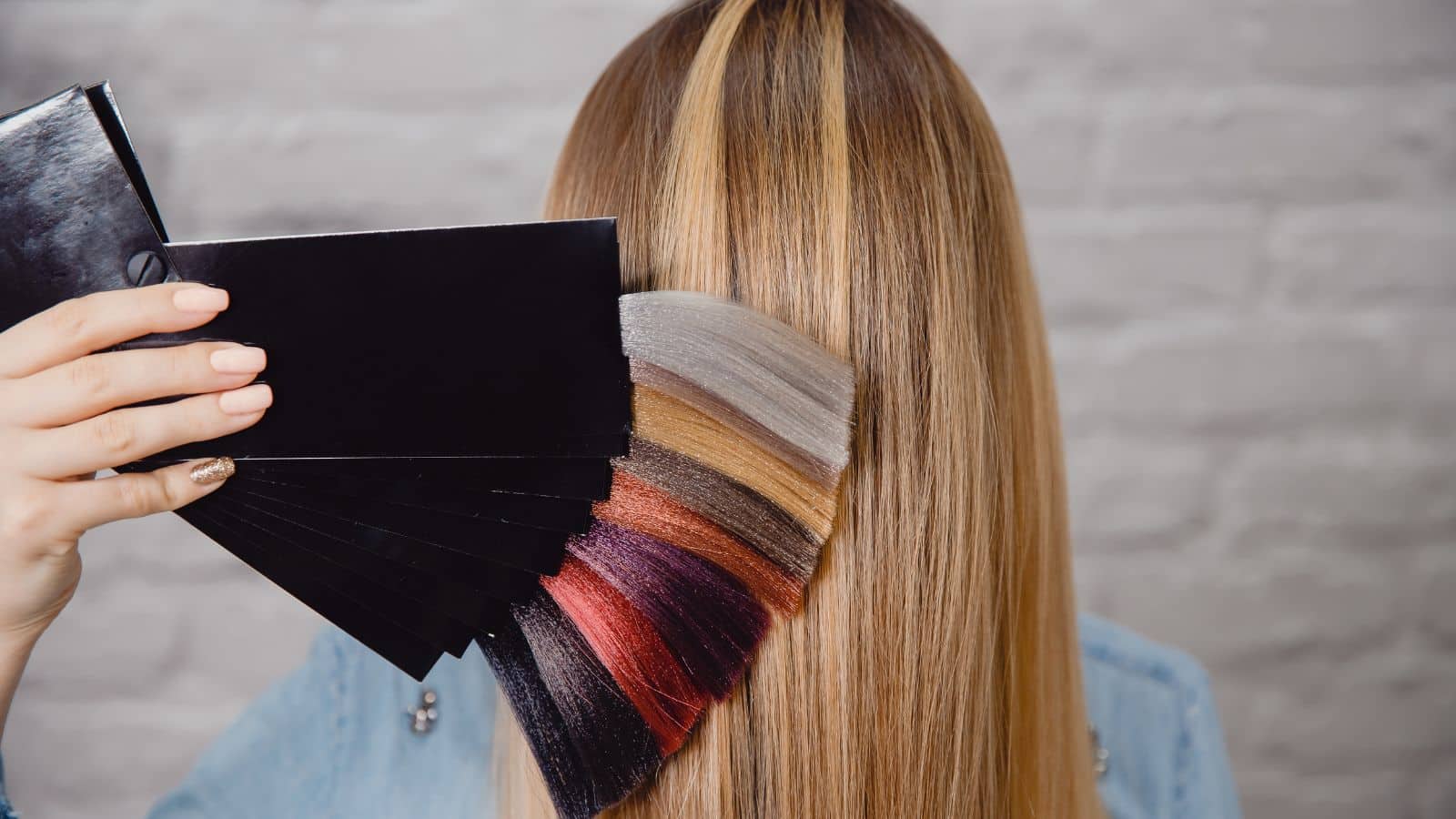
You’ve just gotten beautiful NBR hair extensions, but they don’t match your hair tone exactly. This is a common problem for many people who want a perfect match right away.
Even top-quality and ethically sourced hair needs professional color adjustments. Your natural hair and extensions have different treatments and can both be affected by your daily hair routines. This leads to slight hue differences that show up under different lights.
At Trademark Salon in Houston, TX, we have the solution tailored just for you. We have the skills and methods to blend and tone your extensions seamlessly with your natural hair. We believe in giving quality extensions the care they deserve.
Key Takeaways
- New extensions rarely match your natural hair color perfectly, even high-quality Remy hair
- Professional color adjustment creates a seamless blend between extensions and natural hair
- Different processing histories cause color variations that become visible under various lighting
- At Trademark Salon, we offer specialized extension color-matching services
- Quality extensions respond well to professional color treatment
- Proper desired tone correction transforms obvious extensions into an undetectable, natural look
Understanding the Importance of Toning Hair Extensions
It’s important to know why your full set of extensions sometimes get unwanted tones. They face challenges your natural hair doesn’t. The chemicals used in making them make them more prone to environmental damage.
Getting your extensions professionally toned is key for a natural look. This process removes unwanted warmth or tones safely and sets the stage for lasting beauty.
Why Human Hair Extensions Develop Brassiness and Unwanted Tones
Extensions become more porous during processing. This makes them react to things like sunlight and chlorine. Unlike your natural hair, they can’t get nourishment from scalp oils.
The cuticle of processed extensions is different from virgin hair. This difference lets unwanted tones go deeper into the hair. Over time, this can make extensions look brassy or golden, not matching your desired shade.
Heat styling and daily exposure speed up color changes. Even top-quality extensions need professional care to maintain the color This is why they often lose their original color over time.
| Factor | Impact on Extensions | Timeline | Prevention Method |
|---|---|---|---|
| UV Exposure | Causes golden undertones | 2-4 weeks | Professional toning |
| Hard Water Minerals | Creates brassiness buildup | 1-3 weeks | Clarifying treatments |
| Heat Styling | Accelerates color fading | Daily impact | Heat protectants |
| Chemical Processing | Increases porosity | Permanent change | Regular toning sessions |
Benefits of Professional Extension Toning
Professional toning will safely take out any unwanted warmth in the hair. Colorists know how to do this to extensions without harming them. Trusting a professional with the toning process will keep the hair extensions strong and looking cool-toned versus brassy or uneven.
At Trademark Salon in Houston, TX, we use advanced techniques and invest in extensive education with our talented stylists. We ensure your extensions blend seamlessly with your natural hair. For sophisticated looks that match your skin tone, you can choose from warm golden hues to ashy cool blonde tones.
Regular toning can keep your extensions looking fresh. Proper color maintenance means they stay beautiful for months. This saves money and keeps your hair looking great.
Professional toning also fixes color issues that DIY methods can’t. Colorists can tailor toning to your needs. This ensures your professional hair tone looks consistent and enhanced.
Essential Preparation for Toning Extensions After Installation
Getting your extensions toned correctly starts with great step-by-step preparation. Preparation is key to keeping your extensions looking great. It’s smart to check and prepare before toning your extensions so you have the best desired outcome.
Assessing Your Extension Type and Condition
Each type of extension needs special care when toning. Clip-in hair extensions are easy to remove for toning. This lets you get the toner all over without worrying about the clips.
For tape-in extensions, be careful not to get toner on the adhesive. Stick to the hair shaft only. Nano ring and stick-tip extensions need the same care to keep the attachments safe.
Look at your human hair extensions for damage or dryness. Remy hair usually takes toner well, but lower-quality hair might not. Check for split ends or unusual texture to see if the hair is damaged.
Do a porosity test by dropping hair strands in lukewarm water. If they sink fast, they absorb toner quickly. If they float, they might need more time.
Gathering Professional-Grade Toning Supplies
Using the right supplies is key to great results. Start with a sulfate-free shampoo to clean the hair wefts without losing natural oils. Use purple shampoo to tone hair both before and after toning blonde hair extensions if brassiness has become an issue.
Choose a toning shampoo made for your hair color. Professional products have better color grades and are gentler than store-bought ones.
Here’s what you need:
- Deep conditioning hair mask for before and after toning
- Heat protection spray for styling
- Non-metallic bowls and brushes for mixing
- Sectioning clips and gloves for protection
- A timer for exact timing
Set up your area with warm water and towels. Always test the toner on a hidden part of your hair first. This step helps avoid mistakes and ensures the best results.
After toning, use a sulfate-free conditioner to close the hair cuticle. Choose conditioners made for treated or colored hair to keep your extensions looking their best for longer.
Complete Step-by-Step Guide to Toning Extensions After Installation
Following a systematic approach ensures your extensions achieve the perfect shade without damage or uneven results. This easy guide will help you understand the techniques used by professionals with years of experience and training. You’ll learn how to get salon-quality results with experts.
Professional toning requires patience and precision. Each step builds upon the previous one to create seamless color correction. Understanding the complete process helps avoid common mistakes that lead to patchy results or permanent stain damage.
Pre-Toning Preparation Steps
The first steps begin by washing your extensions first with a sulfate-free shampoo. This removes any silicone buildup that could block color deposit. They will then be rinsed thoroughly with lukewarm water until the water runs completely clear.
Next, the wet extensions will be gently combed through using a wide-tooth comb. It helps to work from the ends upward to prevent unnecessary tangle formation. Patting the extensions gently with a clean towel to remove excess moisture is essential without creating friction damage.
One of the next steps is to test the toning mixture on a small, hidden section before full application. This prevents unwanted color surprises and helps determine the correct processing time. Mix purple shampoo with lukewarm water in a 1:3 ratio for even distribution to complete the pre-toning preparation.
Learn More: Can you dye hair extensions?
The Professional Way to Tone Extensions
The best stylists know to never apply toning products directly onto the hair without dilution. Instead, they submerge extensions in the prepared toning solution. This method ensures even coverage and prevents concentrated product from creating permanent stain marks.
After the tone is applied, the solution is worked through extensions using downward motions only. This technique prevents tangle formation while ensuring complete coverage. It’s helpful to focus on areas where brassiness appears most prominent, typically the mid-lengths and ends.
The application should be carefully timed based on your extensions’ porosity and desired results. Fine or damaged extensions require 3-5 minutes maximum. Thicker, healthier extensions can process for 5-10 minutes to achieve your desired depth of shade.
The toning progress should be monitored every 2 minutes to look for gradual color neutralization without over-processing. Remember that the process can always be repeated, but you cannot reverse over-toning damage.
Post-Toning Care and Conditioning
Extensions should be rinsed thoroughly with cool water immediately after processing and continue rinsing until the water runs completely clear. Any remaining product residue can cause continued color deposit and potentially stain.
After a deep conditioning treatment or hair mask is applied for 5-10 minutes, the moisture that was lost during the toning process is replenished, improving longevity. The conditioner is focused on mid-lengths and ends, where extensions need the most hydration.
A stylist may also use a protein treatment if your extensions feel overly soft or stretchy after toning. This indicates temporary protein loss that conditioning alone cannot address. Balance is key to maintaining extension integrity.
Drying and Styling Toned Extensions
The next step your professional hairstylist will take is to gently squeeze out excess water without wringing or twisting the extensions. They are then wrapped in a microfiber towel to absorb moisture without creating friction damage. This gentle approach preserves the hair cuticle and prevents frizz.
Extensions do best when they are left to air-dry whenever possible to maintain their longevity. Lying them flat on a clean towel in a well-ventilated area helps them to dry faster. It’s important to avoid direct sunlight or heat sources that could cause uneven drying or shade fading.
If you or your stylist uses heat styling tools, it’s always wise to apply a thermal protectant first. Keep temperatures below 300°F to prevent damage to the toned hair structure. Style extensions gently to maintain the smooth, professional finish you’ve achieved.
Comb through extensions only when they’re completely dry or after applying a detangler to avoid any unnecessary pulling or slipping. Use a wide-tooth comb or extension-specific brush to prevent breakage. Start from the ends and work upward, supporting the attachment points to avoid stress on your own hair.
This step-by-step comprehensive guide ensures your extensions match your natural hair perfectly while maintaining their health and appearance. Regular professional toning maintenance every 4-6 weeks keeps your extensions looking fresh and prevents brassiness from returning.
Conclusion
When you learn how to tone extensions from a professional’s perspective, you can truly appreciate all of the extensive time and training it takes to perfect this entire process. It takes ongoing effort to keep your hair extensions looking perfect. This is true for blonde hair extensions, brunette extensions, and all of the beautiful hues in between, which require a lot of care.
For cool ash blonde extensions, using sulfate-free purple shampoo is key to removing brassy, unwanted yellow tones. Wash your extensions with purple shampoo once or twice a week for the best results. For other shades, using extension-friendly shampoos such as Goldwell, KMS, and more, you can be sure your hair wefts will stay vibrant.
Conditioning your extensions is also vital. After using purple shampoo or other sulfate-free products, deep condition them to keep them healthy and bright. Always do this to maintain your extensions’ color and texture.
Always leave the color process to the professionals. Never dye or bleach them on your own.
While you can tone extensions at home, professional services have their benefits.
At Trademark Salon in Houston, TX, we offer expert advice and top-quality products for better results.
Keeping up with your extensions routine is important. Regular care keeps your style looking great for longer. Being consistent with professional care is also key.
FAQ
Why do my hair extensions look brassy or mismatched after installation?
Extensions can look brassy because they’ve been chemically processed before. This makes them absorb things differently, leading to unwanted warm shades. Even high-quality Remy human hair extensions might not match your natural hair perfectly.
Can I have my extensions toned immediately after installation?
Yes, toning your extensions right after installation is a good idea. It helps them blend with your natural hair better. But, first, check if your extensions need special care.
What’s the difference between toning clip in hair extensions versus permanent extensions?
Clip-in extensions are easier to tone because you can remove them. Permanent extensions like tape-in or nano rings need more care to avoid damage. Both are best done under professional guidance or by a highly qualified salon you trust.
Should I apply purple shampoo directly onto my hair extensions?
No, don’t put purple shampoo directly on your extensions. Mix it with lukewarm water first. This way, you avoid uneven color and staining.
How long should toner be left on my extensions?
Toner should be left on for 5-10 minutes, depending on your extensions’ porosity. Always test on a small area first. This prevents damage from over-processing.
Do I need to condition my extensions after toning?
Yes, conditioning hair extensions after toning is essential. Use a good hair mask for 5-10 minutes. This keeps your extensions moisturized and healthy.
Can I use regular shampoo on my toned extensions?
No, use sulfate-free shampoo on your extensions. Regular shampoos can strip the color and fade it quickly.
How often should I have my blonde hair extensions toned?
This should be done based on your usage and lifestyle. If you have an active lifestyle or wash your hair frequently, tone your blonde hair extensions more often. Use sulfate-free purple shampoo every 2-3 washes to keep the color in line with your own hair color.
Can I bleach my extensions to achieve a lighter tone?
No, don’t bleach your extensions. Bleaching can damage them badly. Use toning products instead for a lighter look without harm.
What should I do if my extensions become tangled during toning?
Toning products should be applied gently to avoid tangling. Use a wide-tooth comb for detangling. Be careful around attachment points. If tangled, rinse and seek professional guidance at your salon.
How should I dry my extensions after toning?
Air-dry your extensions to avoid heat damage. If using heat tools, apply heat protection spray first. Keep temperatures low to preserve the color.
Why do my extensions look patchy after toning?
Patchy results come from uneven application or toning on dry hair. For uneven results, consult a local professional who can make the proper corrections and give you the proper guidance for future maintenance.
Is it better to tone extensions at home or go to a professional salon?
You can tone your hair extensions without going to a salon but, at Trademark Salon in Houston, TX, we offer better results. We use professional products and techniques for a perfect color match to avoid damage, irreversible mistakes and a beautiful end result.
What type of water should be used for toning extensions?
Lukewarm water is generally recommended for toning. Hot water can damage the hair, while cold water doesn’t allow the toner to work well. Lukewarm water is best for toning without damage.
How can I tell if my extensions are too porous for toning?
Porous extensions soak up toner fast and may color unevenly. Test porosity by seeing if the hair sinks quickly in water. Highly porous extensions need careful timing and diluted toners to avoid damage.