
 April 3, 2026 | Natural Beaded Rows
Most women who end up with damaged hair after extensions did their research first. They read reviews, compared photos, and still walked away with thinning edges or a style that looked nothing like what they were shown.
That outcome is preventable — but only if you know what the research should actually cover before you book.
Weft hair extensions are one of the most popular and effective methods available, but Houston has dozens of salons offering the service, and that volume of options creates confusion rather than clarity.
This article cuts through it to help you get the hair extension transformation you want without the confusion.
Key Takeaways
- Weft hair extensions deliver some of the most natural-looking, long-lasting results available, but only when installed by a trained extension specialist using quality human hair.
- Fine or thin hair does not disqualify you from extensions — the right method and strategic placement make all the difference.
- Hand-tied wefts, machine wefts, and sew-in extensions each suit different hair types and lifestyles, so understanding which one fits yours matters before you book.
- How long your extensions last depends heavily on aftercare and move-up frequency, typically every 6 to 8 weeks.
- And the consultation is the most important step of all — a skilled stylist will assess your natural hair before recommending anything.
What Are Weft Hair Extensions — and Why Do They Work?
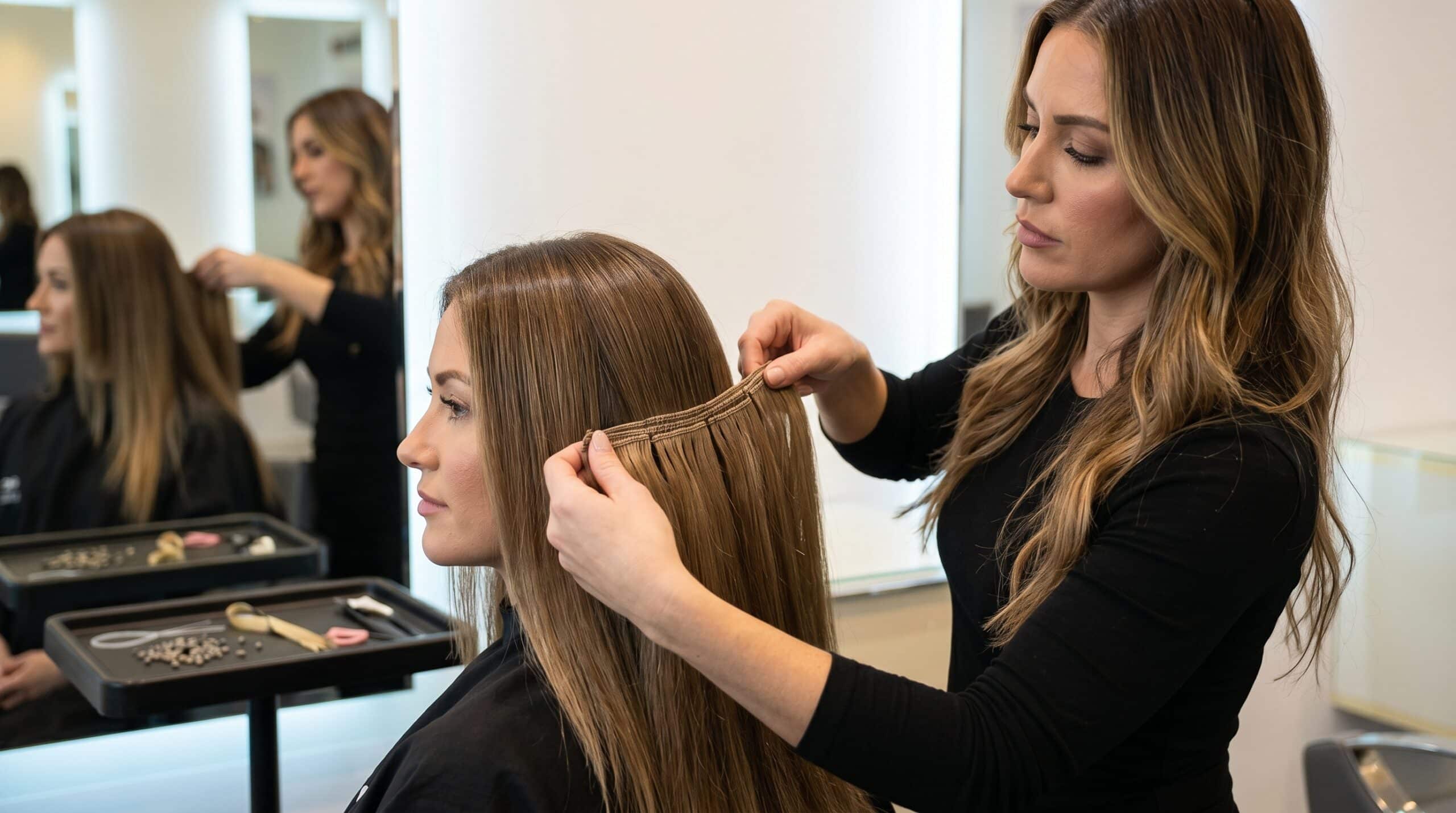
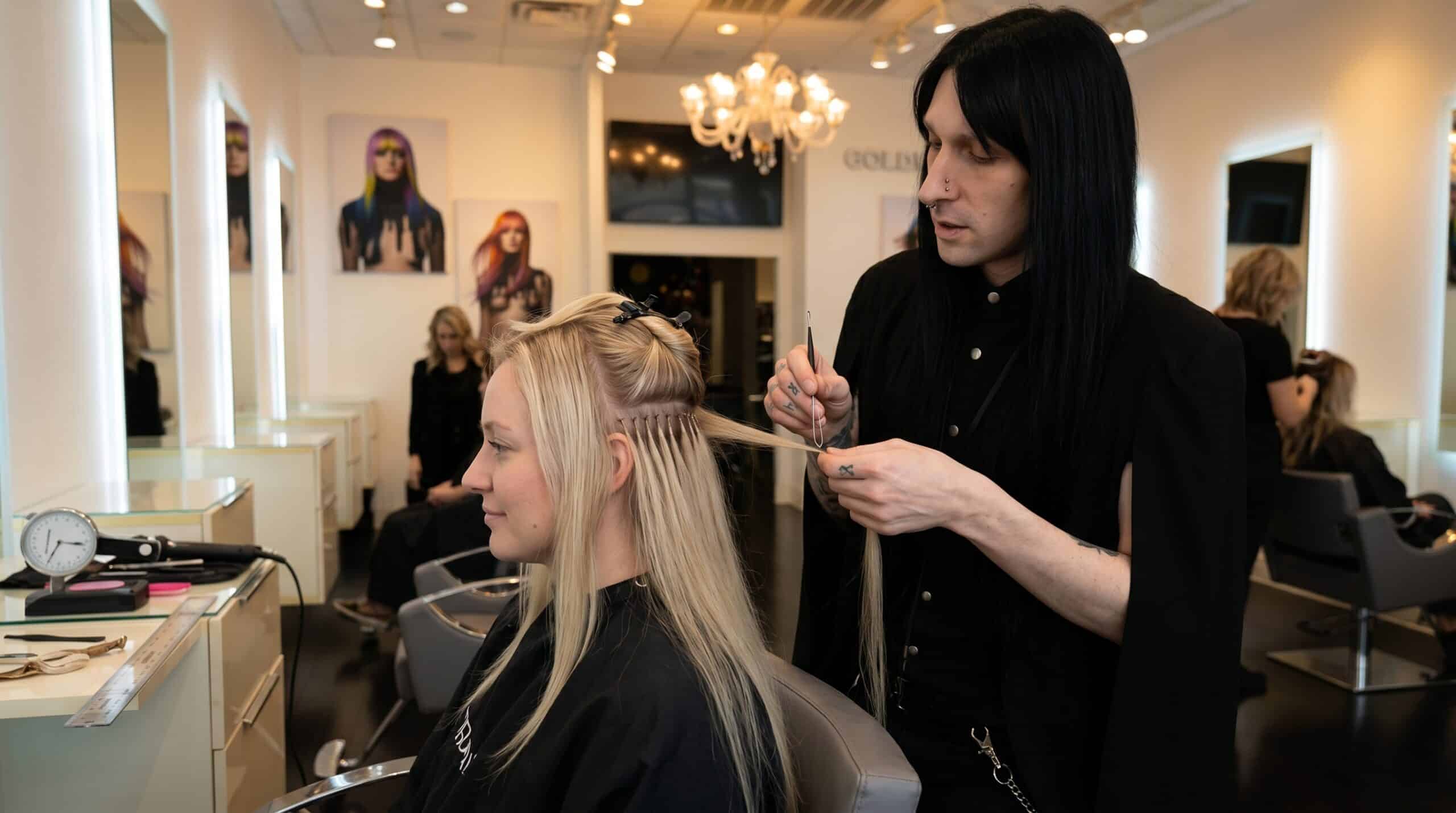
A weft is a row of hair, either sewn or bonded together along a track, that is attached to your natural hair using beads, thread, or adhesive. Unlike strand-by-strand methods such as keratin bond extensions, wefts cover more surface area with less direct contact at the scalp. That distinction matters enormously for comfort and long-term hair health.
Quality weft extensions are made from human hair, which is what allows them to move, blend, and style exactly like your own. Modern weft methods are engineered for a flat, seamless finish — attachment points stay concealed even when your hair is up or in motion, which is why this method has become a go-to recommendation for clients across a wide range of hair textures and densities.
Learn More: What Are Weft Hair Extensions? (Complete Beginner’s Guide)
The Main Types of Hair Extensions — Compared
Understanding the differences between methods is not about memorizing terminology. It is about knowing which option actually fits your hair and your life.
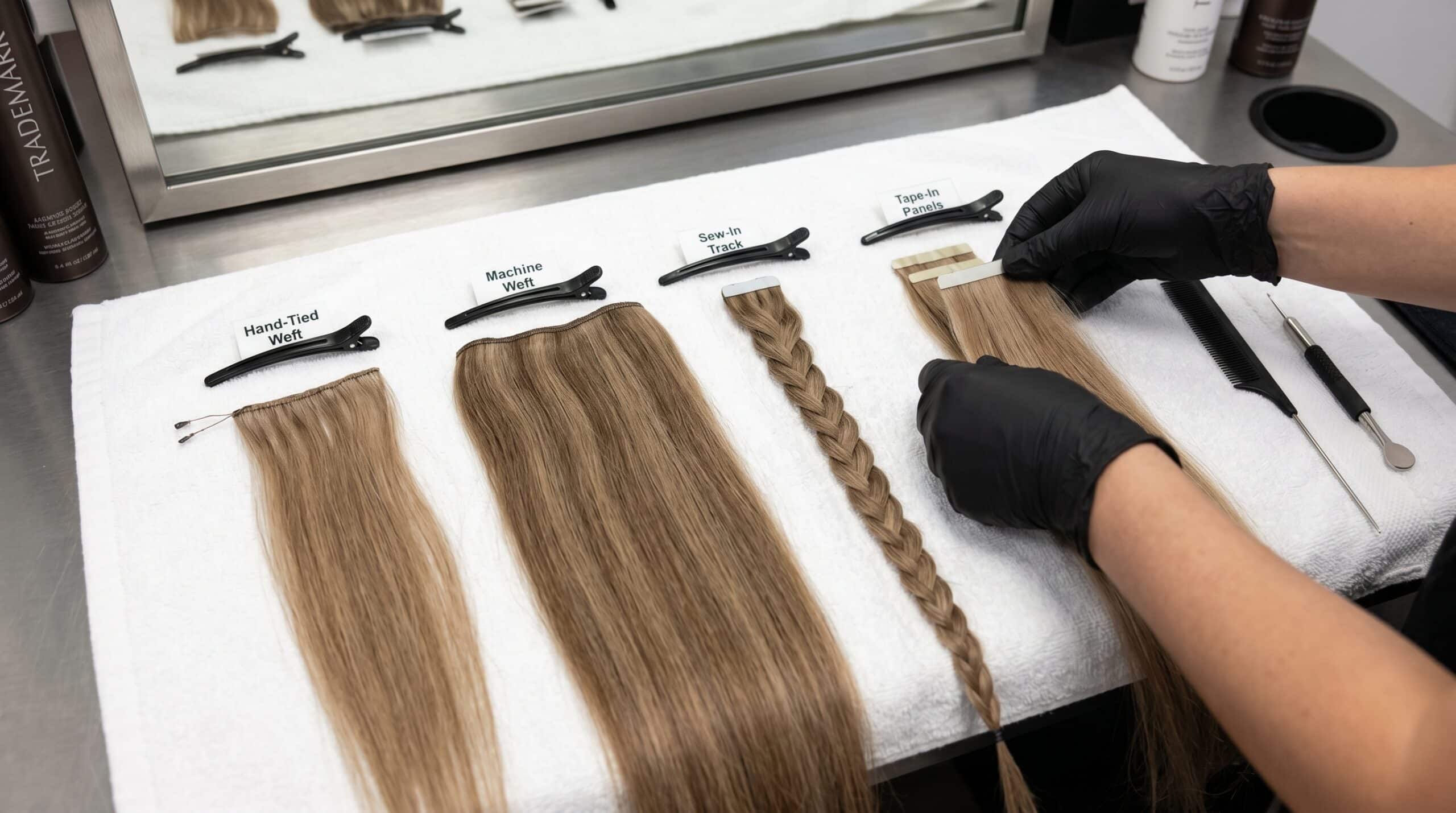
Hand-tied wefts are the lightest option. They use thin, flexible weft rows attached with small beads, which means less bulk and better scalp comfort — most extension specialists consider them the best method for fine or thinner hair types. Machine wefts are thicker and more durable, better suited to medium or thick hair that can support additional weight. Sew-in extensions use a more traditional process where natural hair is braided into rows and the weft is sewn directly onto those braids, which requires significant existing density to work well. Tape-ins use adhesive panels that sandwich your natural hair, offering faster install time and a lower entry price, though they require careful product selection to avoid bond breakdown.
| Method | Best For | Install Time | Move-Up Frequency | Damage Risk |
|---|---|---|---|---|
| Hand-Tied Weft | Fine or thin hair | 2 to 4 hours | 6 to 8 weeks | Low (when maintained) |
| Machine Weft | Medium to thick hair | 2 to 3 hours | 6 to 8 weeks | Low to Medium |
| Sew-In Extensions | Thick, dense hair | 3 to 5 hours | 6 to 8 weeks | Medium |
| Tape-Ins | Most hair types | 1 to 2 hours | 4 to 8 weeks | Low to Medium |
If you are not sure which method suits your hair, that is exactly what a consultation is for. A good stylist will not assume — they will assess.
Fine or Thin Hair and Weft Extensions — What You Actually Need to Know
The most common question from Houston women considering extensions is some version of: “I have fine hair. Can I even do this?” The answer is yes — with the right approach.
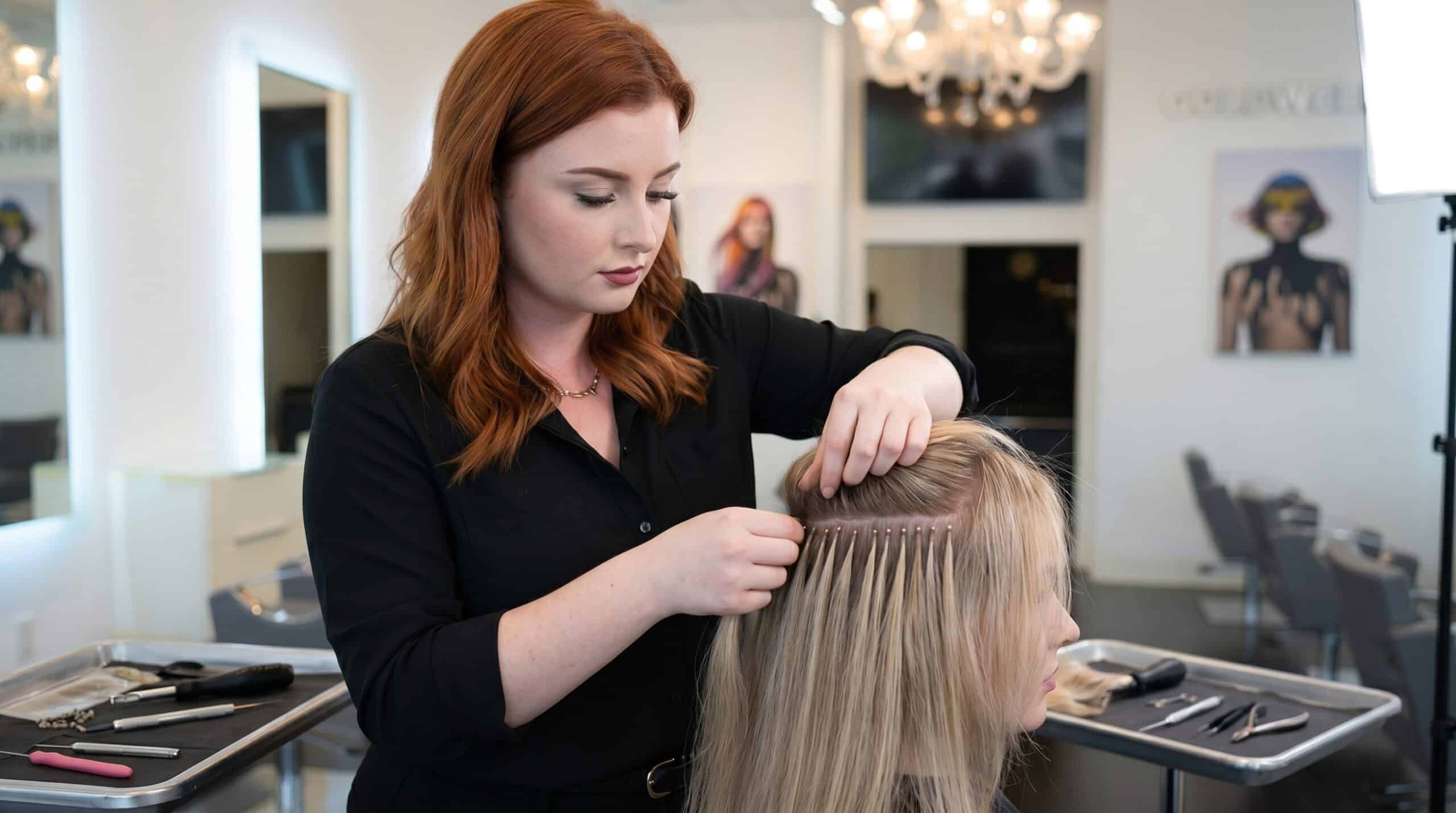
Thin hair and fine hair require a more careful installation strategy, but they are not disqualifiers. Hand-tied wefts work particularly well for this hair type because their thinner construction lies flat without creating visible bulk or drag at the roots. A skilled stylist distributes the weight evenly across multiple attachment points, which prevents the root stress that gives extensions a damaging reputation.
What actually causes problems is overloading. A stylist who adds too much volume to fragile natural hair — whether from skipping the consultation or overselling the install — is the source of most extension horror stories, not the method itself. A good extension specialist will tell you honestly how much hair your natural hair can support. That honesty is worth more than a thick portfolio of before-and-after photos.
If fine or thin hair is your concern, the most useful thing you can do is book a consultation with a specialist who works with that hair type regularly, not a generalist who will figure it out as they go.
How Long Do Weft Hair Extensions Last — and What Affects It?
The hair itself, when cared for properly, can last 8 to 12 months. The installation needs to be adjusted as your natural hair grows, which is why move-up appointments every 6 to 8 weeks are a standard part of owning extensions — not an upsell.
Three factors determine longevity: the quality of the human hair used, the precision of the installation, and your consistency with at-home care. At-home maintenance is the one most clients underestimate.
Long-lasting results require sulfate-free shampoo and conditioner, brushing gently from the ends upward, and limiting heat application near the attachment points. Reducing wash frequency protects both the weft bonds and your natural hair underneath. Sleeping with your hair in a loose braid and using a silk pillowcase are small habits that add up over months. In Houston, heat and humidity accelerate product buildup and frizz — using lightweight, humidity-resistant products and rinsing thoroughly after pool or outdoor exposure keeps extensions performing longer.
Your stylist should walk you through all of this before you leave the salon. If they do not, that is worth noting.
How to Choose the Right Hair Extension Salon in Houston
Not every hair salon in Houston that lists extensions on its menu has a dedicated extension specialist on staff. That gap is where most bad outcomes begin.
Hair extensions in Houston range from deeply skilled boutique specialists to generalist salons where extensions are a secondary service. Look for stylists with documented extension training and a portfolio of work on clients whose hair type resembles yours. A salon that cannot show you before-and-after results on fine or color-treated hair is not the right fit for those concerns.
Red flags include any stylist who skips the consultation, recommends the same method to every client, or cannot explain why a specific approach suits your hair density and texture. Houston’s active lifestyle — outdoor events, gym sessions, pool season — means extensions need to be installed with movement and breathability in mind. The best hair extensions in Houston come from a salon where the consultation functions as a diagnostic, not a formality.
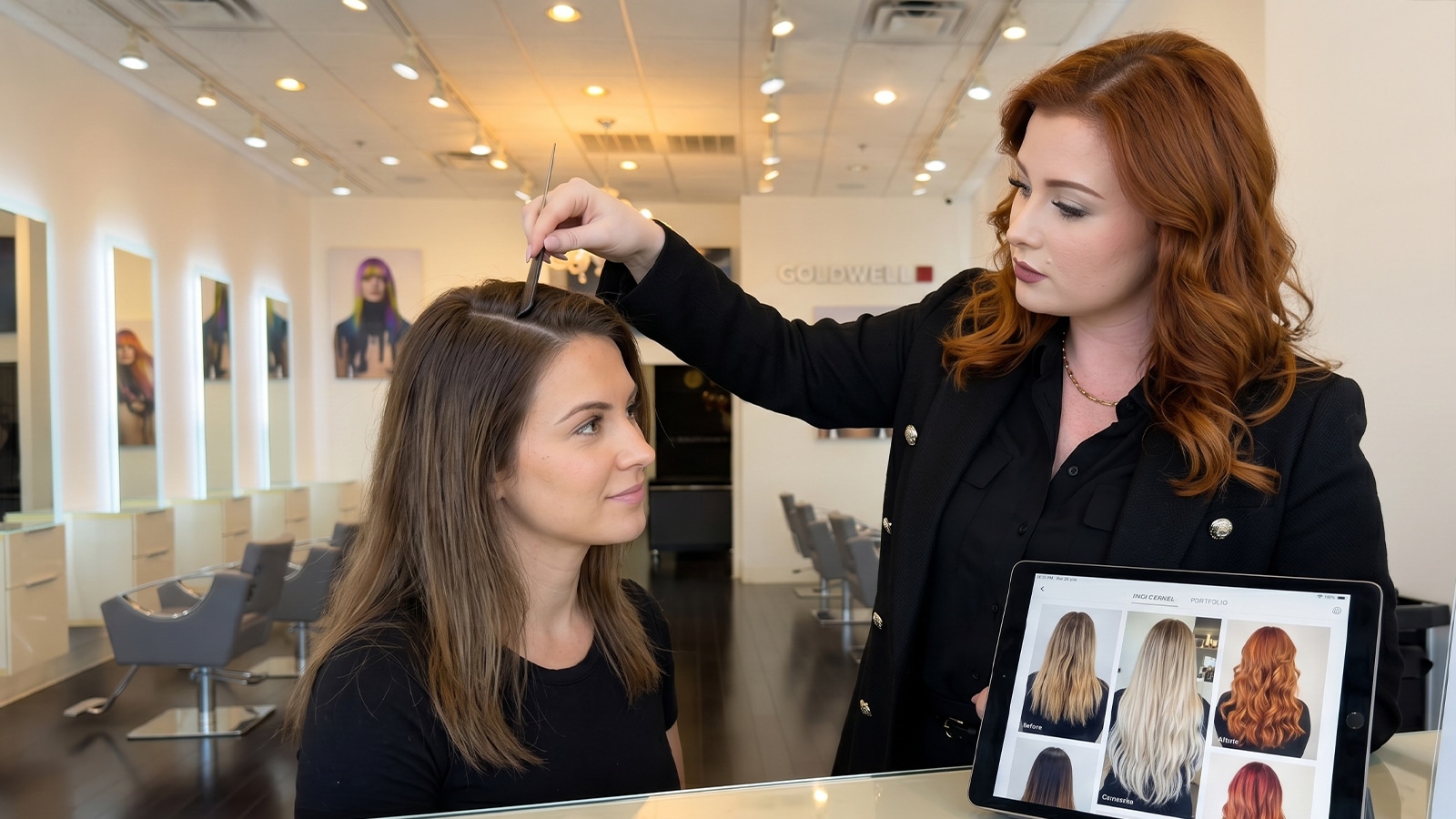
What a Proper Consultation Should Include
A thorough consultation covers your scalp health, natural hair density, any previous chemical services, and your lifestyle. Your stylist should ask how often you work out, whether you swim, and how you prefer to style your hair day to day. You should receive a clear breakdown of which method is appropriate and why, along with a transparent quote covering installation, hair cost, and future move-up fees. There should be no pressure to book on the spot. If a consultation does not include most of those elements, the install itself may receive the same level of attention.
Hair Extensions in Houston Cost to Install — What to Expect
Pricing varies by method, hair quality, and stylist experience. Hand-tied wefts typically range from $800 to $2,000 or more for the initial install. Tape-ins generally fall in the $400 to $900 range. Sew-in extensions vary widely depending on density and session length.
The cost that surprises most clients is the move-up appointment — every 6 to 8 weeks, these can run $150 to $400 depending on the method and salon. Build that into your budget from the start. Salon-quality hair extensions made from 100% human hair cost more upfront and last considerably longer than cheaper alternatives. Getting the best hair extension result is not about finding the lowest price — it is about matching quality, skill, and your commitment to ongoing care.
Prices do vary depending on many factors and these are just ranges. To get an exact price, it’s best to schedule a consultation for your extension method of choice.
Why Trademark Salon Is Houston’s Choice for Weft Extensions
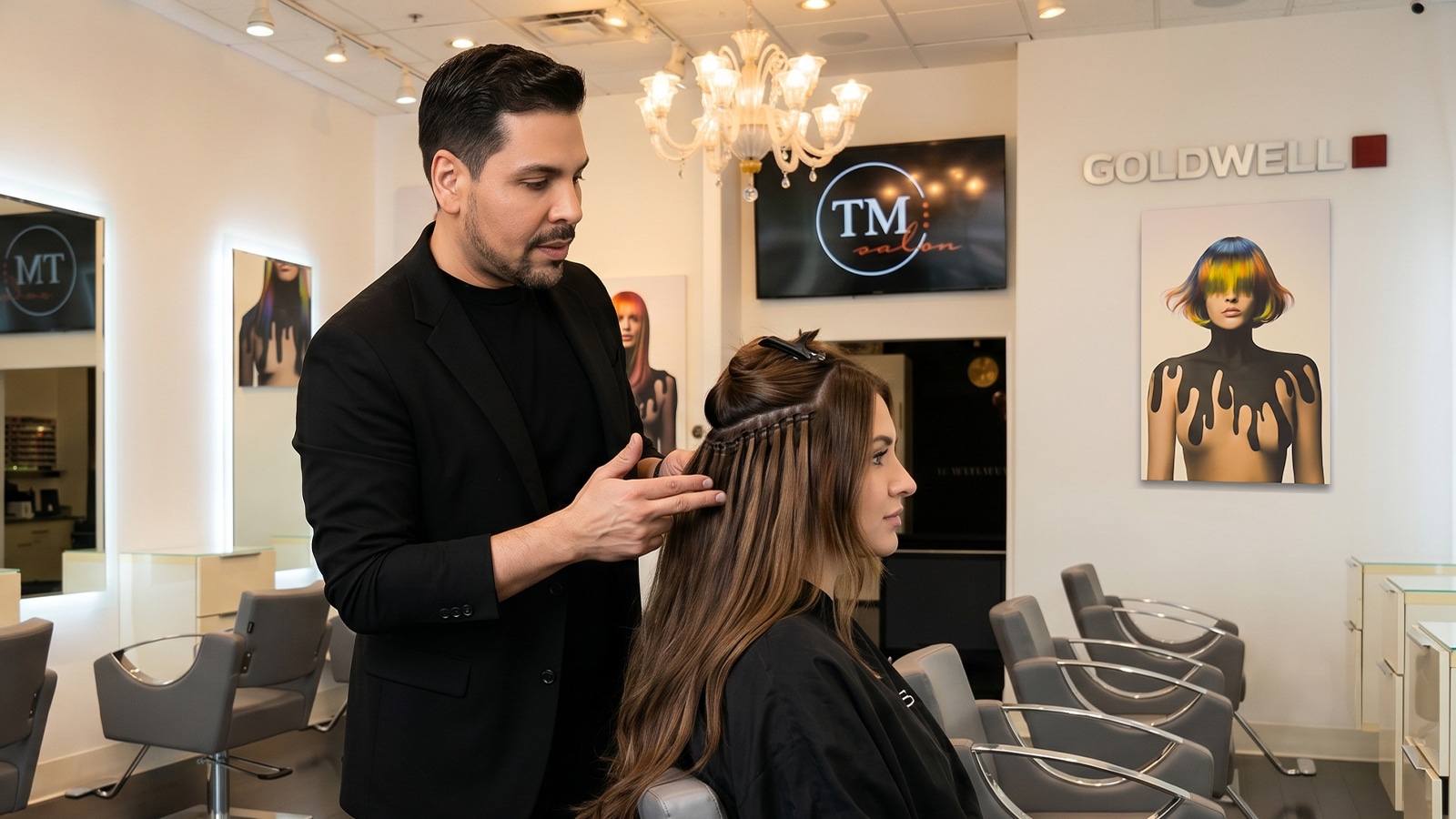
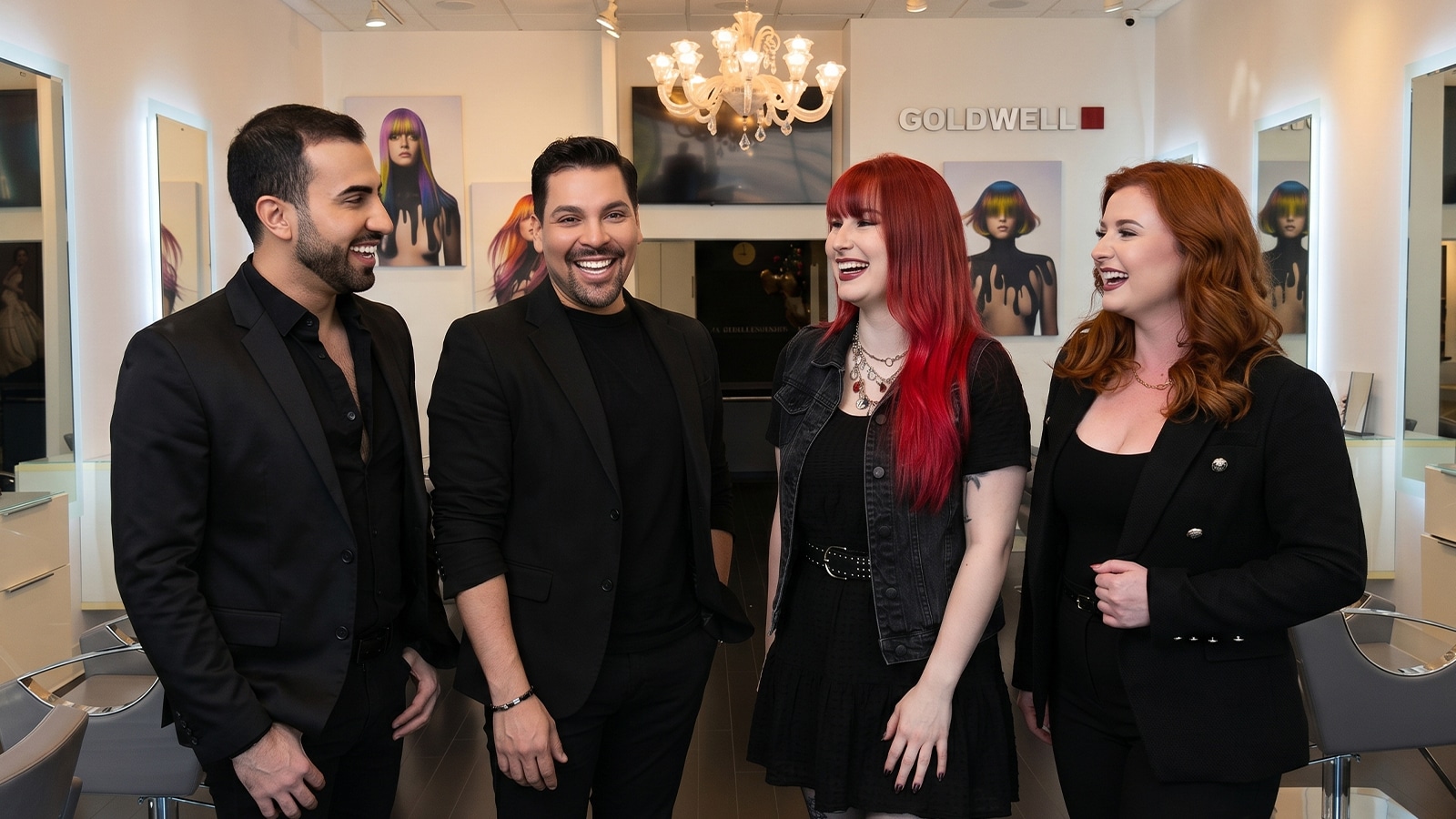
Trademark Salon is a Houston hair salon built around extension expertise. The stylists here work with diverse hair types — including fine, thin, and color-treated natural hair — and the consultation process is built around protecting your existing hair before designing the style you want. Extensions here use premium human hair that moves, holds up in Houston’s climate, and blends for beautiful hair results that look genuinely your own.
Every client leaves with personalized care guidance specific to their install and lifestyle. If you have had a difficult experience with extensions elsewhere, that conversation belongs in your consultation — correction work and fresh starts are part of what the team does. Call Trademark Salon directly at (832) 717-3422 to ask questions before you are ready to book, or schedule a consultation when you are.
Conclusion
If you have read this far, you already know more than most clients do when they first book. That knowledge is only useful if the salon you choose matches the standard it points toward. A trained specialist, a real consultation, and premium human hair are not add-ons — they are the baseline for beautiful hair results you will still be happy with six months from now.
The gap between a great weft extension experience and a damaging one almost always comes down to the quality of the decision made before the install. Trademark Salon offers consultations built around your natural hair first. Book yours, bring the questions this article raised, and see how the answers feel.
Frequently Asked Questions
Are weft hair extensions bad for your natural hair?
When installed by a trained extension specialist using properly weighted wefts, they do not damage natural hair. Damage typically comes from improper installation, excessive weight relative to hair density, or skipped move-up appointments. The consultation and ongoing maintenance schedule are the two most important protective factors.
Can I get weft extensions if I have fine or thin hair?
Yes. Hand-tied wefts work particularly well for fine or thin hair because of their lightweight, flat construction. The key is working with a stylist who specializes in fine hair and does not overload the install. The right amount of hair matters as much as the right method.
How long do weft hair extensions last?
The hair itself lasts 8 to 12 months with proper at-home care. Move-up appointments are needed every 6 to 8 weeks as your natural hair grows. Consistency with aftercare and move-up scheduling is the biggest factor in how long extensions last.
What is the difference between hand-tied wefts and sew-in extensions?
Both use weft rows, but hand-tied wefts are thinner and attached using small beads rather than braided rows. Sew-in extensions require more natural hair density for the braid foundation. Hand-tied wefts are generally more comfortable, more versatile across hair types, and create a more seamless result for clients with finer hair.
How much do hair extensions cost in Houston TX?
Hand-tied wefts typically range from $800 to $2,000 or more for the initial install. Tape-ins are generally $400 to $900. Move-up appointments every 6 to 8 weeks carry their own ongoing cost. Choosing salon-quality human hair upfront delivers considerably better longevity than cheaper alternatives. Prices vary so it’s best to schedule a consultation for exact numbers.
What should I look for in a hair extension salon in Houston?
Look for certified extension specialists, a structured consultation process, a portfolio of before-and-after results on hair types similar to yours, and transparent pricing that includes move-up costs. Avoid any salon that skips the consultation or applies the same method to every client regardless of hair type.
How do I maintain weft extensions at home?
Use sulfate-free shampoo and conditioner, brush gently starting from the ends upward, reduce washing frequency, and avoid applying heat directly to the attachment points. Protecting your hair while sleeping — loosely braided or secured with a soft band — matters more than most clients expect. Consistent at-home hair care is the single biggest factor in how long your extensions last and how well your natural hair holds up underneath.