
 September 14, 2026 | Hair Tips
You’ve tried the drugstore fixes, the clip-ins that slip by noon, the volumizing spray that promises lift and delivers nothing by the time you’re picking up the kids. Maybe you even sat through tape-in extensions somewhere else, only to watch them show at your part or pull at your scalp within weeks. If that sounds familiar, you’re not doing anything wrong. You just haven’t found a full-service hair salon built to work with fine or thinning hair instead of around it. This guide walks through what a real hair salon service menu looks like, from cuts and color to extensions and scalp care, so you know what to expect before you book. You can see our full range of services here, and we’ll explain how each piece fits together for Houston women juggling work, school pickup, and everything in between.
We’re located on Louetta Road in northwest Houston. We built our salon around one idea: fine and thinning hair deserves more than a quick fix.
Key Takeaways
- A full-service hair salon combines haircuts, color and balayage, hair extensions, scalp treatments, and styling under one roof, so your hair is never treated as a series of disconnected fixes.
- Nearly 40% of women experience visible hair thinning by age 40, according to the American Academy of Dermatology, and 55% of women report dissatisfaction with at-home extension results compared to professional application, according to Statista.
- The right extension method (tape-in, sew-in, or microlink) should be matched to your hair density during a consultation, not guessed at.
- Scalp health directly affects how well extensions and hair color hold up, especially in Houston’s humidity.
- Choosing the right salon means asking about real experience with fine or thinning hair, not just picking whoever has the most reviews.
What Is a Full-Service Hair Salon?
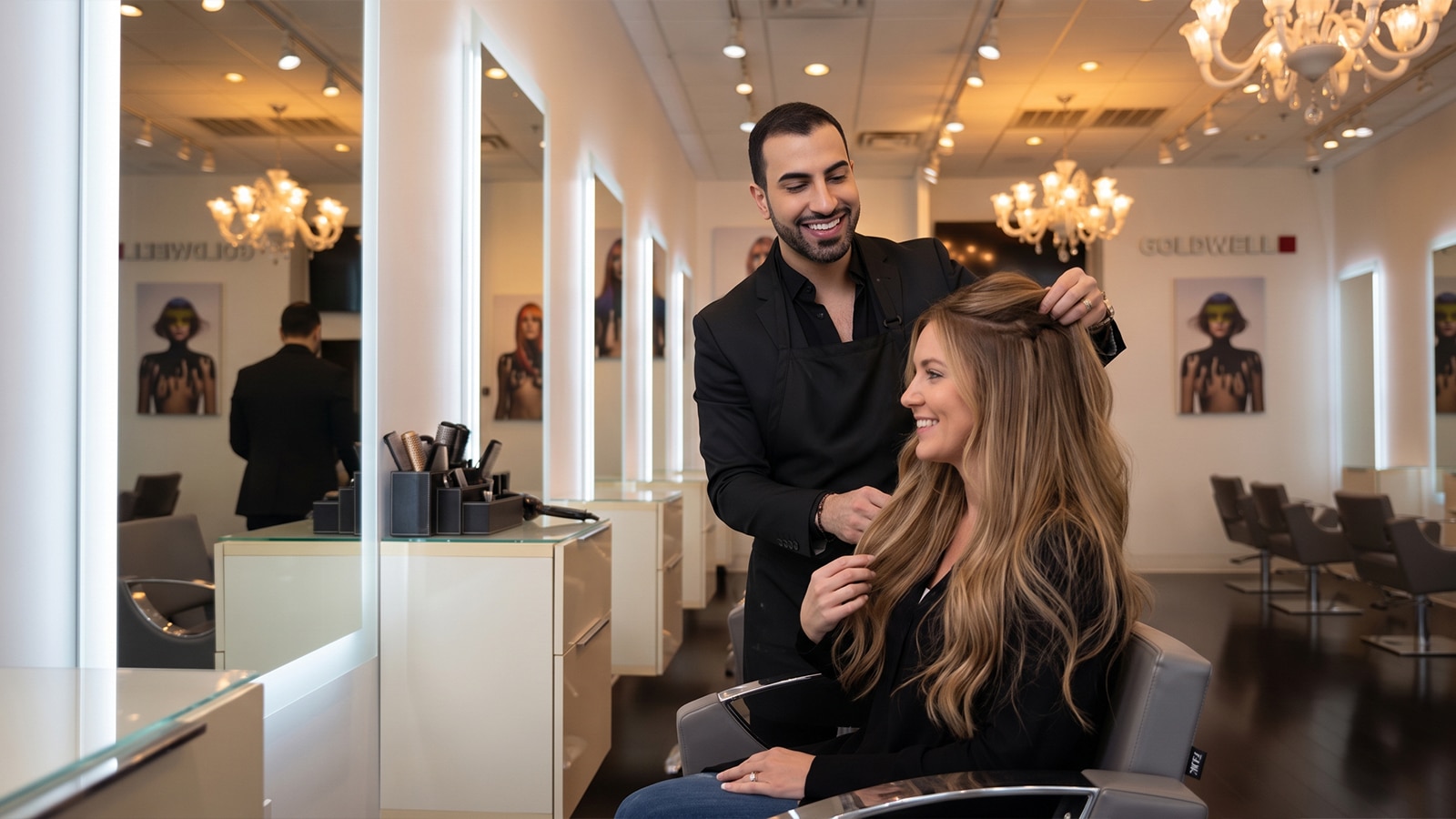
A full-service hair salon means one salon, one relationship, one team that knows your hair history from your first haircut to your last color appointment. Instead of getting a cut at one place, color at another, and extensions somewhere else entirely, everything happens under one roof. That matters more than it sounds like it should. Every time you switch providers, you start over. You explain your hair type again. Your past frustrations again. What you’re actually trying to achieve, again.
The Core Services Under One Roof
A real service menu typically includes:
- Precision haircuts and texturizing
- Color services, including balayage and color correction
- Hair extension installation and maintenance
- Scalp treatments and deep conditioning
- Blowouts and styling for everyday wear and special occasions
Fewer handoffs mean fewer surprises, which is why we built Trademark Salon around this model in northwest Houston. We stayed boutique on purpose. Quality over volume, not trying to be everything to everyone. Many salons offer a long list of hair treatments on paper, but a truly full-service approach means those treatments are actually coordinated by people who talk to each other about your hair.
Why This Matters for Fine Hair
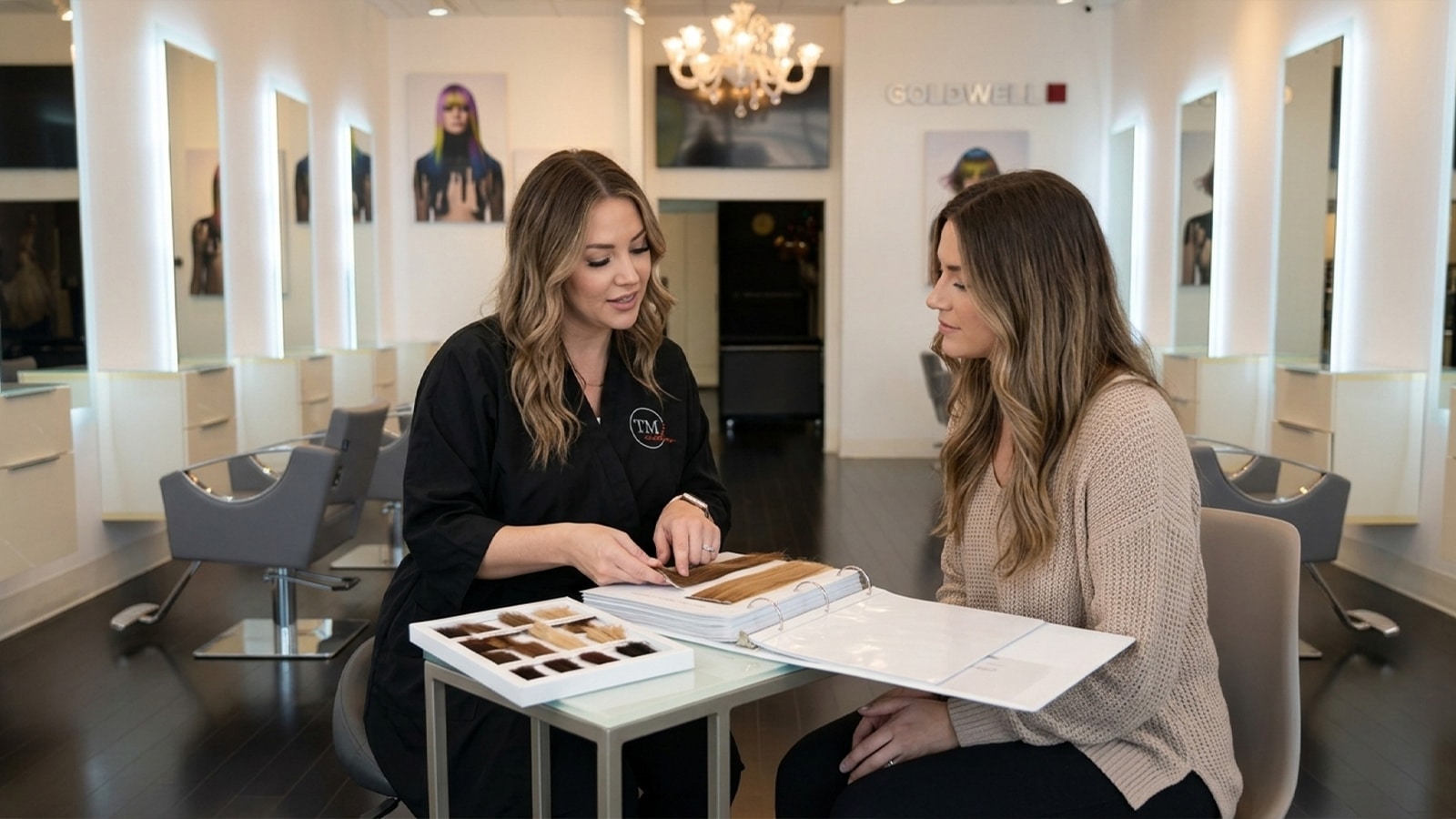
For fine or thinning hair specifically, this breadth isn’t a luxury. A salon that only offers one service, or a drugstore routine that only treats symptoms, doesn’t account for the whole picture. A stylist who does your color also knows how that color will affect how extensions blend later. Complex hair needs consistency, not a patchwork of one-off appointments with different people who’ve never seen your hair before. That consistency is what keeps results looking good between visits, and if you’re not sure where your hair currently stands, that’s exactly what a first consultation is for.
Haircuts, Color, and Balayage Services for Volume and Blend
Before extensions even enter the conversation, your haircut and color do a lot of the visual work.
Haircuts That Create the Illusion of Volume
A precision haircut with the right layering can make fine hair look thicker without adding a single strand. Texturizing removes weight in the right places so hair moves instead of lying flat, which matters in Houston’s humidity when hair tends to fall by early afternoon. The way a stylist shapes your cut also determines how well future extensions will sit and blend. This step isn’t cosmetic. It’s the foundation for any style you want to wear afterward.
Balayage and Dimensional Color for Natural-Looking Depth
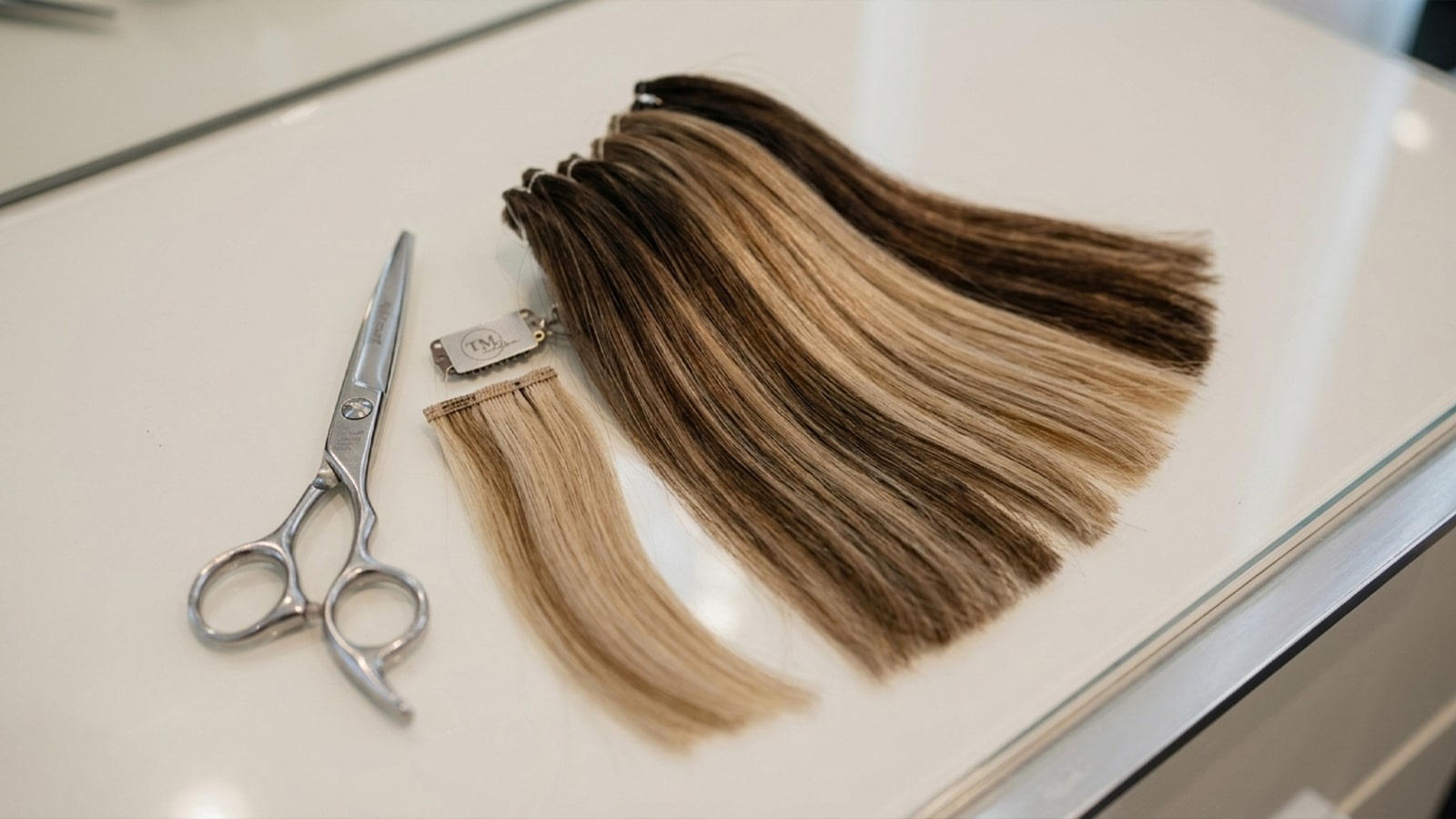
Balayage is a hand-painted coloring technique that creates soft, sun-kissed highlights rather than a solid, flat color block. That dimension does something practical for fine or thinning hair: it creates the appearance of depth and movement, which draws the eye away from areas that feel sparse. Our colorists work in dimensional blondes, rich brunettes, and color correction, and every color service starts with understanding how your current hair color will need to match or blend with any extensions down the road. Whether you’re after a full color change or a subtle balayage refresh, these color treatments offer a way to build depth and dimension without committing to a drastic change, and the goal is a style you can wear down, up, or in a ponytail without a second thought.
Hair Extension Services and Scalp Treatments for Hair Health
This is usually the section our clients care about most, because it’s where past attempts at length and volume have let them down before.
Matching Extension Methods to Hair Density
Not every extension method works for every hair type. Fine or thinning hair needs a method chosen based on density, not trend. The extension market has grown as more women look for length and volume solutions, according to Grand View Research, and hair loss or thinning now affects an estimated 30 million women in the United States, according to the American Academy of Dermatology. Here’s a quick comparison:
- Tape-in extensions: lightweight strips, faster application, best for moderate density
- Sew-in or weave extensions: braided tracks that add volume but need enough natural hair to conceal the base
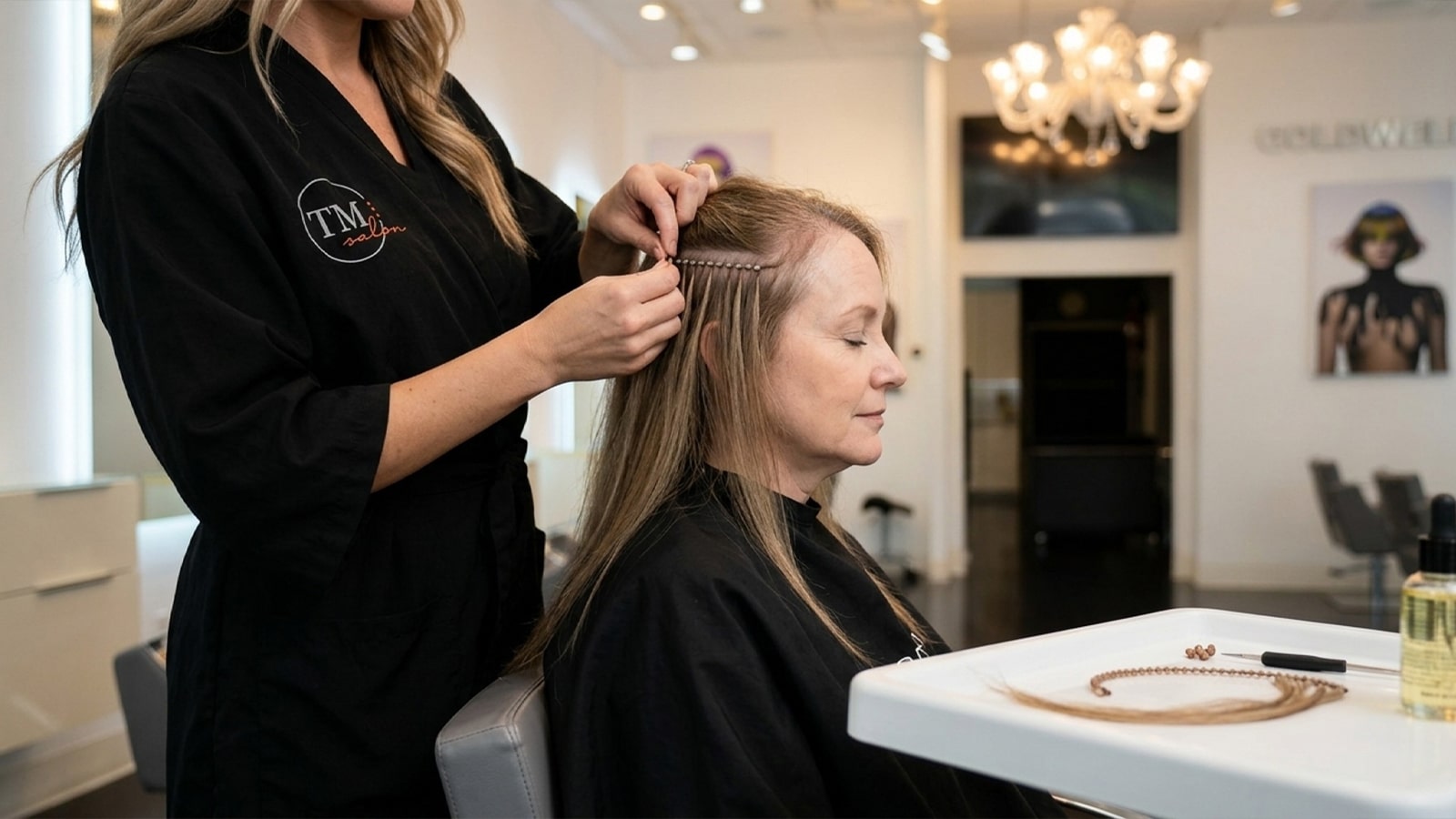
- Microlink or microbead extensions: attached strand by strand with no heat or adhesive, a gentler option for finer hair
- Natural Beaded Rows: our signature wefts, built to minimize damage while blending naturally into fine or thinning hair
One client came to us after two failed tape-in attempts elsewhere left her hair thinner at the part line than before she started. A density assessment during her consultation pointed us toward a gentler, strand-based method instead. Within one appointment, she had length and volume she could finally wear in a ponytail without it showing. Stories like hers are common enough that we always start with an assessment first. It’s a low-pressure way to find out what your hair can actually support before committing to anything.
Scalp Treatments and Hair Health Before and During Extensions
A scalp treatment supports hair health and can show whether your scalp is ready for the added weight of extensions, especially if your hair is fine, color-treated, or previously damaged. A deep conditioning treatment helps maintain moisture between visits, and keratin or bond-building treatments cut down on frizz while strengthening strands. The right combination of treatments offers real protection against the added stress extensions can put on fine or already-fragile strands. These treatments help extensions and your natural hair work together instead of against each other, and they’re a core part of the hair care routine we recommend to keep results looking good long after you leave the chair. The goal is always healthy hair that can support length and volume without added stress on your natural strands. If you’re unsure whether your hair and scalp are ready, call us at (832) 717-3422 and we’ll talk through it, no obligation either way.
Styling Services, Blowouts, and Choosing the Right Salon
Cuts, color, and extensions only matter if you can style them for real life.
Blowouts and Styling for Real Life
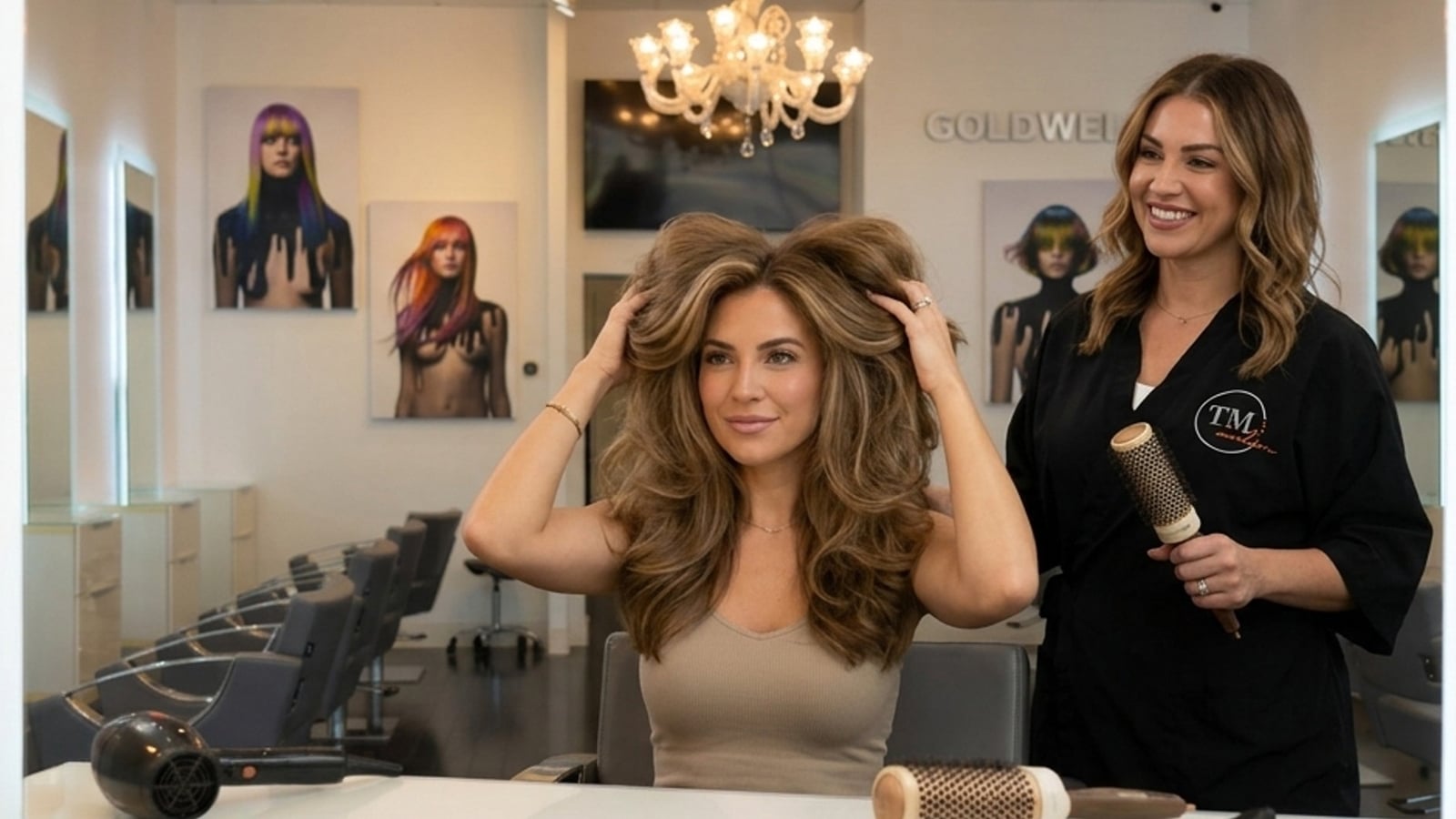
A blowout and other styling services are what make everything wearable day to day, whether that’s a sleek style for work, a fast ponytail for school pickup, or something polished for date night. The right salon should tailor these services to your actual hair goals instead of offering one generic style for everyone who sits in the chair.
How to Evaluate a Salon’s Experience With Fine Hair Before Booking
Not every salon owner has real experience with fine or thinning hair, and Houston has plenty of salons competing mostly on review volume rather than specialized skill. Salon owners who invest in ongoing training tend to stay current on techniques that actually protect fine or thinning hair rather than just following trends from the wider beauty industry. Before booking, ask direct questions, especially about specialized services like scalp assessments and density-based extension consultations that go beyond a standard menu:
| What to Ask a Salon | Why It Matters for Fine or Thinning Hair |
|---|---|
| Do you assess hair density before recommending a method? | Prevents mismatched extensions that look bulky or too heavy |
| Can I see before/after results on fine hair specifically? | Confirms real experience, not just general extension work |
| What’s included in ongoing maintenance? | Sets realistic budget and appointment expectations |
| Do you offer scalp treatments before installation? | Ensures a healthy foundation for extensions to hold well |
A service menu that goes beyond a basic cut and color is a good sign, especially when a salon’s beauty treatments are backed by real specialization rather than a one-size-fits-all approach. But the right service for you still depends on a stylist who listens first and prescribes second. If a salon can’t walk you through their answers to those four questions in plain language, that’s worth noting before you commit to a chair.
Conclusion
A full-service hair salon takes the guesswork out of getting natural-looking volume and length, because every piece, from haircut to color to extensions to scalp care, works together instead of being handled by five different providers. That’s the difference between another disappointing fix and a plan built around your actual hair goals. You don’t need to piece this together on your own anymore, and you don’t need another product or one-off fix that only holds until lunchtime. At Trademark Salon on Louetta Road in northwest Houston, every visit starts with a consultation so we understand your hair history before recommending anything. Call (832) 717-3422 and let’s start there.
FAQ
What does a full-service hair salon offer?
A full-service hair salon offers haircuts, color and balayage, hair extensions, scalp treatments, and styling as one connected service menu. Rather than booking separate appointments across different providers, you work with one team that understands your full hair history. Book a consultation to see which combination fits your hair.
What is the difference between a full-service salon and a regular hair salon?
A regular hair salon may only offer basic cuts and color, while a full-service salon adds extensions, scalp treatments, and bridal or special-occasion styling. That extra breadth matters for anyone with a more complex hair history or fine, thinning hair. It’s worth asking any salon directly what’s included before you book.
What is the difference between a full-service salon and a specialty extension studio?
A specialty extension studio focuses only on extensions, while a full-service salon coordinates cut, color, and scalp health alongside extension work. That coordination protects the overall blend and long-term health of your hair rather than treating extensions in isolation. A consultation is the best way to compare which approach fits your needs.
What services should I expect at a full-service hair salon consultation?
A full-service consultation should include a hair and scalp assessment, a density evaluation, and a conversation about your hair goals and daily lifestyle. This is where a stylist figures out which extension method, color approach, or treatment actually fits your hair, not just what’s trending. Expect this step before any service is scheduled.
How do I know if a salon has experience with fine or thinning hair before booking?
You can tell by asking to see before/after results specifically on fine or thinning hair, not just general portfolio work. A salon with real experience will ask about your hair density and explain why they’re recommending one method over another. If a stylist can’t answer those questions clearly, keep asking.
What hair extension method is best for fine or thinning hair?
There isn’t one universal best method, because the right choice depends on your individual hair density and hair type. Tape-ins, microlinks, and sew-ins each suit different densities and lifestyles. A professional hair density assessment during consultation is the most reliable way to decide.
Does my hair need a scalp treatment before getting extensions?
Your hair may need a scalp treatment first if it’s fine, color-treated, or has been through previous extension damage. A healthy scalp affects how well extensions hold and how comfortable they feel over time. A stylist should evaluate your scalp condition during your consultation before recommending an installation date.
How much should I budget for ongoing extension maintenance?
Extension maintenance is an ongoing cost tied to reinstallation cycles, deep conditioning, and periodic check-ins rather than a single upfront price. Most methods require a move-up or reinstallation appointment every several weeks to keep hair healthy and extensions secure. Discuss a maintenance schedule directly with your stylist when you book so there are no surprises later.